A two-dive day out of Sharm el-Sheikh costs about €100, roughly $113, with tanks, weights and a guide included, and the boat’s first stop might be the reef where the Gulf of Suez meets the Gulf of Aqaba. A week on a liveaboard to the offshore reefs where oceanic whitetip sharks patrol starts at about $1,600. That combination of quality and price is why Red Sea diving keeps drawing Americans across two continents. This guide is about Egypt’s coast, where nearly every US diver goes, with notes on Jordan, Saudi Arabia, Oman and Sudan, whose advisories currently tell a different story.
Short answer: Egypt’s Red Sea offers famous wrecks, soft-coral reefs and oceanic whitetip sharks at some of the lowest prices anywhere: about $113 for a two-dive day in Sharm and liveaboards from $1,155. Go March to May or September to November. Egypt is at Level 2; avoid North and Middle Sinai.
Prices, rules and advisories on this page were checked between September 23 and October 1, 2026 against the dive operators’, parks’ and US government’s own websites, with euro prices converted at the ECB rate of October 1, 2026 ($1.1298 per euro). No operator or resort paid to appear.
On this page: Training · Liveaboard or land? · Trip length · History · Why dive the Red Sea · Red Sea vs Caribbean · North vs south · Choosing a base · Ras Mohammed · Best diving by diver · Beginners · What to pack · Reef etiquette · Best dive sites · Wrecks · Marine life · Month by month · Liveaboards · Getting there and visas · Where to stay · Operators and prices · 7-night budget · Courses · Safety · Beyond Egypt · Non-divers · Sample itinerary · FAQ · Sources
| Red Sea at a glance | Details (checked Sept-Oct 2026) |
|---|---|
| Skill level | All levels from shore and day boats; Advanced and experienced divers for the offshore reefs |
| Best months | March to May and September to November |
| Water temperature | About 70-72°F (21-22°C) in February and March; 82-84°F (28-29°C) July to September |
| Depth limit | 40 m (130 ft) under Egypt’s CDWS rules, with deep certification and suitable insurance |
| Signature marine life | Soft corals, oceanic whitetip sharks (October-December), hammerheads offshore, summer fish schools |
| Two-dive day | About €100 ($113) in Sharm; €79 ($89) in Dahab; park fee €7 a day extra |
| Liveaboards | From $1,155 a week; offshore routes from $1,610 |
| Getting there | EgyptAir nonstops to Cairo from New York, Newark, Washington, Chicago and Los Angeles, then a domestic flight |
| Entry | Tourist visa required: on arrival or online; reported at $30 single entry since March 2026 |
| Advisory | Egypt Level 2; do not travel to North and Middle Sinai or the Western Desert |
| Chambers | Sharm el-Sheikh, Hurghada and Marsa Alam |
Why dive the Red Sea, and who should skip it
The Egyptian Red Sea packs an unusual amount of variety into one coastline. In the north, around Sharm el-Sheikh and the Strait of Gubal, the diving is about wrecks and reefs: the SS Thistlegorm, the graveyard of Abu Nuhas, the walls of Ras Mohammed National Park and the drift dives of the Straits of Tiran. Farther south, off Marsa Alam and in the open sea, offshore reefs such as Elphinstone, the Brothers and Daedalus rise from deep water, with sharks, strong currents and soft corals that thrive in the flow. In Dahab, on the Gulf of Aqaba, you can shore dive straight off the beach.
Then there’s the price. A two-dive day in Sharm costs about $113, against $170 for two tanks at Grand Cayman’s East End, and a week-long liveaboard can cost less than a single week at a Caribbean dive resort. The water is warm for most of the year, the reefs start right at the shore in many places, and the dive industry is mature, with a network of recompression chambers along the coast.
Who should skip it? Anyone unwilling to make a long trip: there are no US nonstops to the Red Sea resorts, so plan on connecting through Cairo or Europe. Divers who want solitude should avoid the most popular sites in peak season, when Tiran and the Thistlegorm can host many boats at once. And the region’s politics matter: Egypt is at Level 2 on the State Department’s scale, and the countries around it are under Level 3 or 4 advisories. If that’s a dealbreaker, the Caribbean and Mexico offer easier trips, though not the Red Sea’s combination of wrecks, sharks and price.
Red Sea vs the Caribbean for US divers
For most Americans the real choice isn’t between Red Sea bases but between the Red Sea and somewhere closer. Here’s how Egypt compares with three Caribbean favorites on published facts:
| Factor | Egypt’s Red Sea | Cozumel | Grand Cayman | Bonaire |
|---|---|---|---|---|
| Typical diving cost | About $113 for two dives in Sharm; $89 in Dahab | $510 for five two-tank days | $170 for two tanks | $42 a day for unlimited shore diving |
| Water temperature | 70-84°F (21-29°C) by season | 78-85°F (26-29°C) | About 77°F (25°C) | About 80°F (27°C) |
| Signature diving | Wrecks, soft corals, oceanic whitetips | Drift diving on walls | Walls, the Kittiwake | Shore diving |
| Flights from the US | No nonstops to the coast; connect via Cairo or Europe | Nonstops from Texas and Miami | Many nonstops | Nonstops from Miami, Atlanta, Newark, Houston |
| State Department level | Level 2 (Egypt) | Level 2 (Quintana Roo) | Level 1 | Level 1 |
The Red Sea wins on wrecks, big-animal diving and price per dive, and it’s the better choice for a two-week trip. The Caribbean wins on travel time: a long weekend in Cozumel or Grand Cayman is easy from the US, while the Red Sea realistically needs at least nine or ten days door to door. If you can give it that time, Egypt is one of the best values in diving.
The northern Red Sea vs the southern Red Sea
Divers talk about the Egyptian Red Sea in two halves, and the difference shapes everything from wetsuit choice to the kind of boat you book.
| Northern Red Sea | Southern Red Sea | |
|---|---|---|
| Where | Sharm el-Sheikh, Dahab, the Strait of Gubal, Hurghada and El Gouna | Marsa Alam, the offshore reefs, the Brothers, Daedalus and the deep south |
| Signature diving | Wrecks (Thistlegorm, Abu Nuhas, Dunraven), Ras Mohammed, Tiran | Offshore walls, sharks, soft corals, remote reefs |
| Typical trip | Day boats or northern liveaboards | Liveaboards or Marsa Alam resorts |
| Crowds | The busiest sites in Egypt in peak season | Fewer day boats, though the offshore reefs draw many liveaboards in high season |
| Best for | First Red Sea trips, wreck lovers, mixed groups | Experienced divers chasing sharks |
The northern Red Sea is the classic first trip: the most famous wrecks, the reefs of Ras Mohammed and Tiran, and the easiest logistics. The south rewards experience. Its offshore reefs rise from deep water in open sea, where the currents that feed the soft corals also bring oceanic whitetips and hammerheads, and where you’re a long way from help. Many divers do a northern trip first and come back for a southern liveaboard once they’re comfortable with blue-water drifts.
Where to base yourself: Sharm el-Sheikh, Hurghada, Marsa Alam or Dahab
Choosing a base is the biggest decision for a land-based Red Sea trip, because each town reaches different sites. Here’s how the four main options compare:
| Base | Best for | Signature diving | Getting there | Two-dive day |
|---|---|---|---|---|
| Sharm el-Sheikh | Reefs, the Thistlegorm, easy logistics | Ras Mohammed, Straits of Tiran, Thistlegorm day trips | Air Cairo from Cairo; direct flights from Europe | About €100 ($113) |
| Hurghada and El Gouna | Wrecks, liveaboard departures, resort variety | Abu Nuhas wrecks, northern reefs, northern liveaboards | Air Cairo from Cairo; many European directs | Ask your operator |
| Marsa Alam | Offshore reefs and sharks | Elphinstone, departures for the Brothers and Daedalus | EgyptAir from Cairo; European directs | Ask your operator |
| Dahab | Shore diving, budget, freediving | The Blue Hole and Gulf of Aqaba reefs from shore | Via Sharm el-Sheikh airport | About €79 ($89) |
Sharm el-Sheikh diving
Sharm el-Sheikh, at the southern tip of the Sinai, is Egypt’s most established dive resort, and its location is the reason. Ras Mohammed National Park, where the Gulf of Suez meets the Gulf of Aqaba, sits a boat ride to the south; the four reefs of the Straits of Tiran (Jackson, Woodhouse, Thomas and Gordon) lie within day-trip distance to the north; and the Thistlegorm is a long day trip away. Standard diving in Sharm, as Emperor Divers describes it, is two boat dives a day with a guide, tanks and weights, from about 8 a.m. to mid- or late afternoon. Ras Mohammed and Tiran depend on the weather, and Tiran gets very busy in peak season. Sharm has a long-established recompression chamber.
Along Sharm’s own coast, sites such as Ras Umm Sid, whose name translates as “the headland of Sid’s mother,” give easy boat dives between the bigger trips. Day boats leave in the morning, lunch is ordered and paid for on board, and a third dive can be added on the boat. Thistlegorm, Dunraven and Million Hope days are offered as special trips with supplements, subject to weather, sea state and minimum numbers.
Hurghada diving
Hurghada is the other big name, and the doctor who runs Baro Medical recalls helping set up chambers in El Gouna and Safaga too, a sign of how long this coast has been a dive destination. Hurghada is one of the Red Sea’s biggest resort towns, with a huge range of hotels and dive centers, and a main departure point for liveaboards. Its reefs and the wreck-strewn reef of Abu Nuhas, north of town, are the classic day trips, and Emperor Divers meets liveaboard guests at Hurghada airport. HyperMed, a recompression chamber, opened next to the airport in 2007. Hurghada suits divers traveling with non-divers who want a big resort, and anyone starting a northern liveaboard.
Marsa Alam diving
Marsa Alam, far to the south, is quieter and closer to the offshore reefs. Elphinstone Reef, known for soft corals in strong current and for oceanic whitetip sharks from October to December, lies off the coast north of town, and liveaboards to the Brothers and Daedalus depart from the area, since both are reachable only by liveaboard. Baro Medical, a recompression chamber at Marsa Shagra, has operated since 2006. Marsa Alam suits experienced divers who want sharks and fewer crowds.
Dahab diving
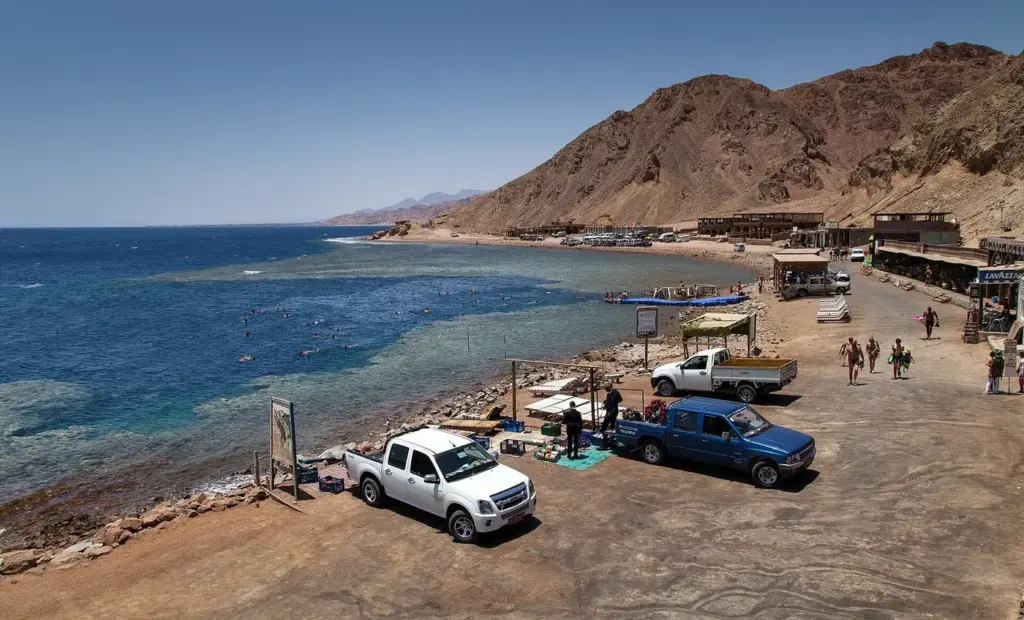
Dahab, on the Gulf of Aqaba north of Sharm, is the relaxed, budget-friendly base, with shore diving straight off the coast and a large freediving community. Circle Divers charges €79 ($89) for a two-dive day there, compared with €100 in Sharm (checked September 2026). Its famous Blue Hole carries a $10 park fee to enter the area. Dahab’s packages bring per-dive costs down further: 14 dives over seven days cost €456 ($515) with Circle Divers, or about €33 ($37) a dive. Dahab suits independent divers, freedivers and anyone who’d rather walk into the water than ride a boat, but it’s also home to the Blue Hole’s grim safety record, covered in the safety section below.
Our take: First-timers should base in Sharm for Ras Mohammed, Tiran and a Thistlegorm day. Experienced divers chasing sharks should book a Marsa Alam stay or a southern liveaboard. Budget and shore divers will be happiest in Dahab, as long as they treat the Blue Hole with respect.
Best dive sites in the Egyptian Red Sea
These are the sites most worth planning around, with depth and level where the operators and park authorities publish them:
| Site | Area | Depth | Level | Highlights |
|---|---|---|---|---|
| Ras Mohammed National Park | Southern Sinai, from Sharm | Shallow reef tops to deep walls | All levels | Walls where two gulfs meet; Shark and Yolanda reefs; fish schools |
| Straits of Tiran (Jackson, Woodhouse, Thomas, Gordon) | North of Sharm | Reef walls with drifts | Intermediate+ | Drift dives along four reefs; busy in peak season |
| SS Thistlegorm | Strait of Gubal | To about 100 ft (30 m) | Advanced | 1941 cargo of trucks, motorcycles and locomotives |
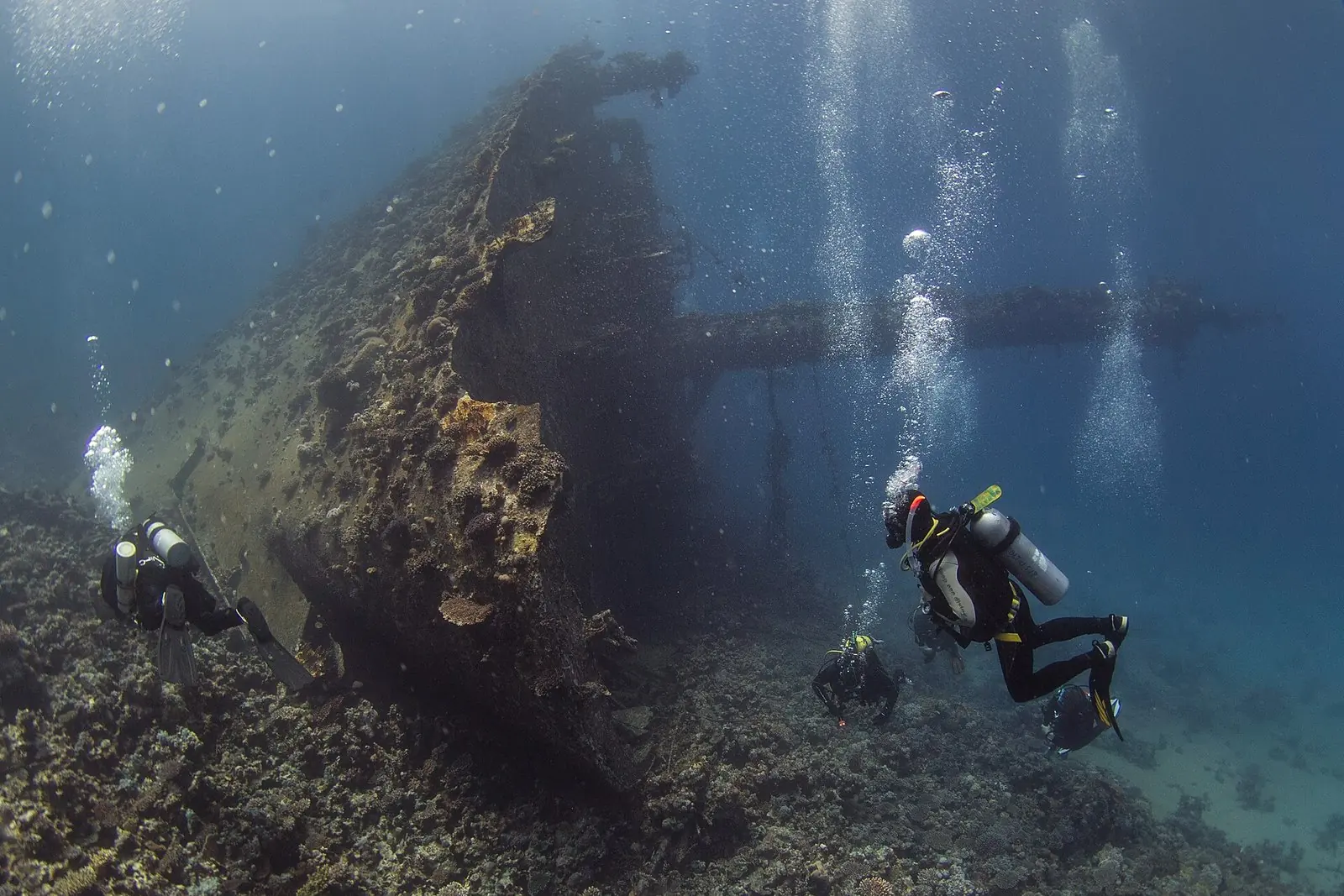
| Abu Nuhas | North of Hurghada | Shallow to deep | Intermediate+ | At least seven wrecks, including the Giannis D, Carnatic and Chrisoula K |
| Dunraven and Million Hope | Sharm area | Varies | Intermediate+ | Special-trip wrecks from Sharm |
| Elphinstone Reef | North of Marsa Alam | Walls in strong current | Advanced | Oceanic whitetips October-December; soft corals |
| The Brothers (El Ikhwa) | Offshore, 67 km from El Quseir | Walls in strong current | Very experienced | Oceanic whitetips, hammerheads, the Numidia and Aida wrecks |
| Daedalus Reef | Offshore, about 50 miles from the coast | Walls | Very experienced | Hammerhead schools at the northern tip, occasional threshers |
| Blue Hole, Dahab | Gulf of Aqaba | Reef from 3 ft (1 m); hole bottoms out about 390 ft (120 m) | All levels on the reef; never beyond training | Shore dive around the rim; notorious deep arch |
A few notes. Ras Mohammed has been protected since 1983, when Egypt’s Environmental Affairs Agency made it a marine reserve, partly to keep Sharm’s sprawl at bay. Its walls, the meeting point of two gulfs and the reason for its huge fish life, are the core of most Sharm diving weeks. The Straits of Tiran are a set of four reefs in a 13-kilometer (8-mile) channel between the Sinai and Tiran island, which passed to Saudi Arabian sovereignty along with Sanafir; boats moor or drift along them, and the north side’s Kormoran wreck is dived only in very calm conditions.
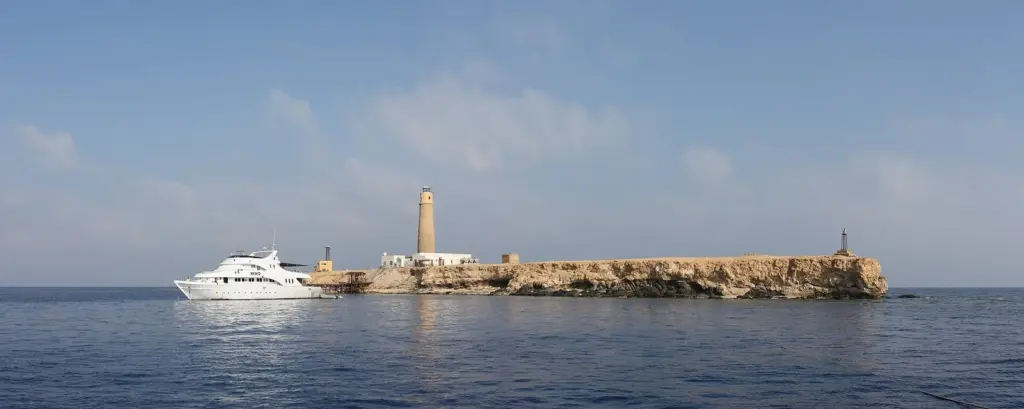
The offshore reefs are a different class of dive. The Brothers, two islands 1 km apart and 67 km from El Quseir, are known for oceanic whitetips and hammerheads, but their isolation and very strong currents make them suitable only for very experienced divers. Daedalus Reef, about 50 miles from the nearest coast, has hammerhead schools at its northern tip. Both are liveaboard destinations; there are no day trips.
Ras Mohammed National Park
If one site defines Sharm el-Sheikh diving, it’s Ras Mohammed National Park at the very tip of the Sinai, where the Gulf of Suez and the Gulf of Aqaba meet. The meeting of two bodies of water brings currents, nutrients and huge numbers of fish, and the park’s walls drop into deep water close to the reef edge, so a single dive can take in coral gardens, open-water schools and the blue.
Egypt protected the area after the Sinai was returned to Egyptian control, and in 1983 its Environmental Affairs Agency established Ras Mohammed as a marine reserve, partly to keep fishing and the growth of Sharm el-Sheikh away from the reefs. Tiran and Sanafir islands were once part of the park, until sovereignty over them passed to Saudi Arabia. On land, the park has mangroves and, about 150 meters inland, cracks in the ground opened by earthquakes, a short stop for non-diving companions on a boat day.
Practically, Ras Mohammed is a day-boat trip from Sharm, and it depends on the weather; operators may switch sites if the sea is rough. Boat trips there carry a park fee, which Camel Dive Club lists at €7 ($8) a person a day. The best-known dives, Shark and Yolanda reefs, are drift dives along a wall, so stay with your guide and carry a surface marker buoy. Ras Mohammed also sits close to the Thistlegorm, which sank off its coast, and to the Dunraven, both of which Sharm operators offer as special trips.
Red Sea wrecks: the Thistlegorm, Abu Nuhas and others
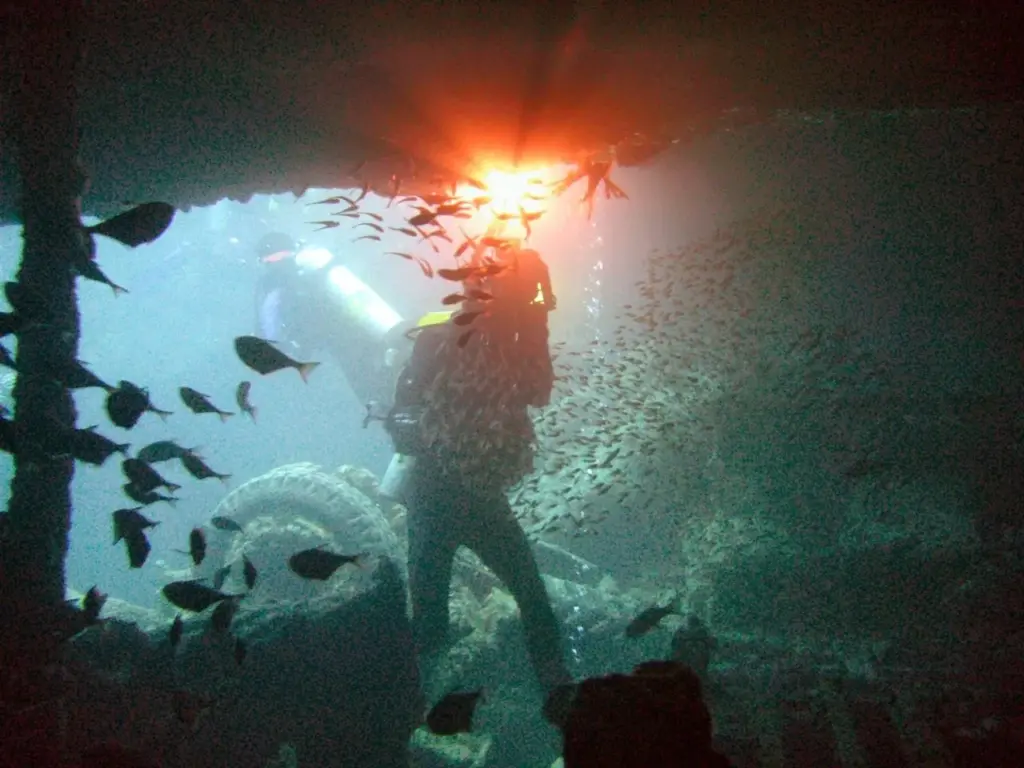
The Red Sea’s wrecks are as much a draw as its reefs, and our guide to wreck diving puts them alongside the world’s other great wreck destinations. The headliner is the SS Thistlegorm, a 415-foot British cargo ship sunk on October 6, 1941 by two German bombers near Ras Mohammed. Its holds still carry Bedford trucks, BSA motorcycles and railway equipment, including two steam locomotives in its cargo, its deepest point is about 100 feet (30 m), and Jacques Cousteau found it in the early 1950s. From Sharm, Emperor Divers charges a €140 ($158) supplement on top of its daily diving price for a two-dive Thistlegorm trip, with 12-liter nitrox included (checked September 2026), and northern liveaboard routes commonly include it.
Abu Nuhas, whose name means “reef of the father of copper” after one wreck’s cargo, sticks out into the shipping channel north of Hurghada, and it has claimed at least seven ships, including the SS Carnatic, the Kimon M (1978), the Chrisoula K (1981), the Giannis D (1983) and the Olden (1987). Several can be dived on a single day trip or liveaboard stop, with depths from shallow decks to well past 100 feet. Emperor also runs special trips from Sharm to the Dunraven and the Million Hope at €34 ($38) supplements each.
One wreck deserves a different kind of attention. The ferry Salem Express struck a reef near Safaga at about 11:13 p.m. on December 14, 1991, and sank shortly afterward; the official death toll was 470, and evidence suggests the true toll was much higher. It’s a mass grave. If you dive it, stay outside, take nothing, and treat it as a memorial rather than an attraction.
Marine life and sharks
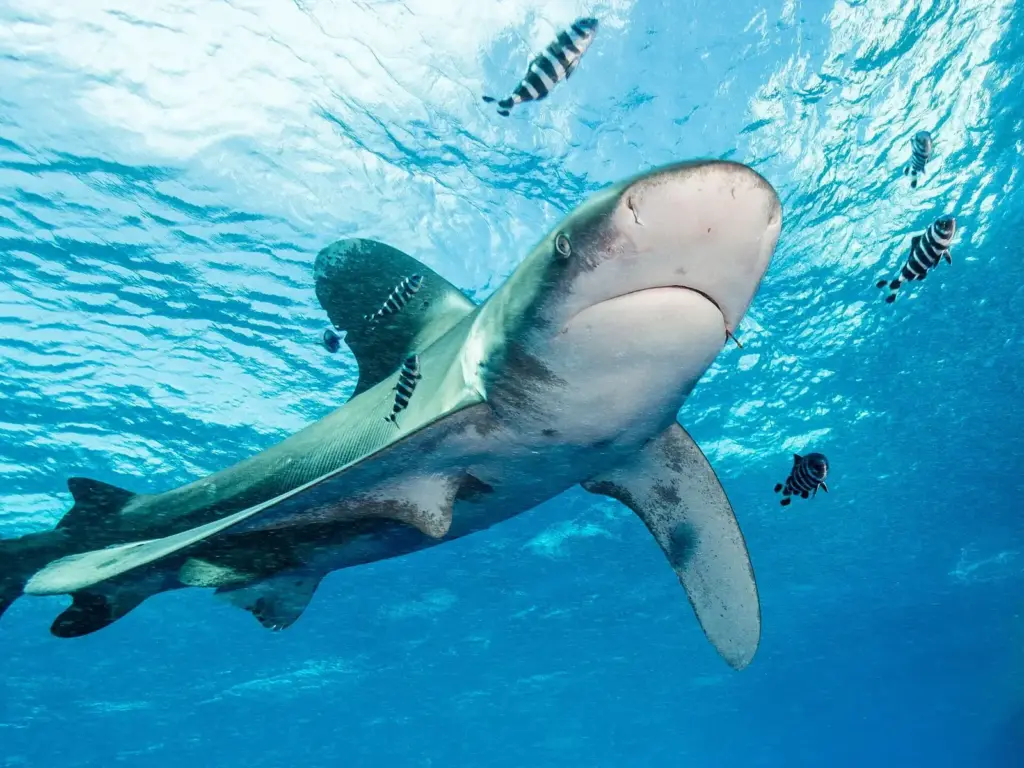
Diving with oceanic whitetips: the rules
Oceanic whitetips are open-ocean sharks that have become a symbol of the southern Red Sea, and their confidence around divers is exactly why they need respect. The International Union for Conservation of Nature has listed the species as critically endangered since 2019, so each encounter is also a privilege. Good operators at Elphinstone and the Brothers brief whitetip protocols carefully; the core of them is consistent: stay in a group and close to the reef rather than alone in the blue, keep your hands and fins tucked in, avoid long periods at the surface, get out of the water calmly and promptly, and never touch, feed or chase a shark. If a guide signals you to move to the reef or exit, do it without argument.
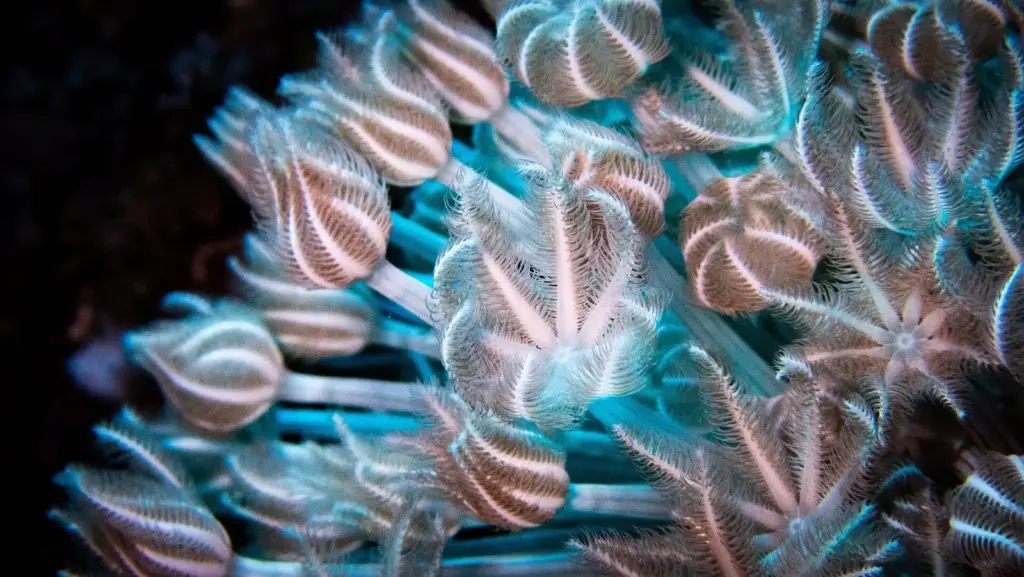
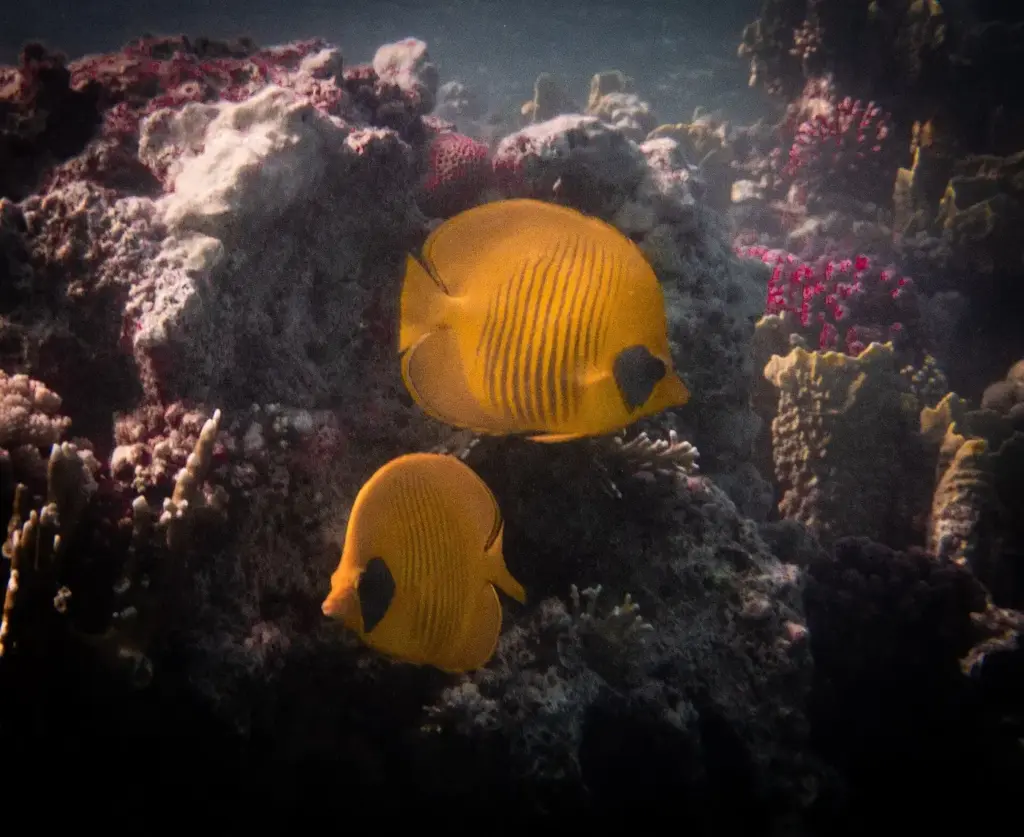
The Red Sea’s reefs are some of the most colorful anywhere, with soft corals that bloom in the current at offshore sites like Elphinstone and dense hard-coral gardens closer to shore. Fish life follows the seasons: Emperor Divers notes that summer brings large schools of barracuda, trevally, snapper and batfish. Turtles, moray eels, Napoleon wrasse and dolphins are among the animals divers commonly report, and the Red Sea has its own species, such as the bluecheek butterflyfish, found in the Red Sea and Gulf of Aden.
Sharks are the Red Sea’s big-animal draw. PADI lists Elphinstone’s oceanic whitetip season as October to December, an advanced dive in open water, and the Brothers are known for whitetips and hammerheads. Daedalus is the hammerhead site, with schools at its northern tip and occasional thresher sharks. Oceanic whitetips are curious and confident around divers, so follow the guide’s protocol: stay close to the reef or the group, keep still, avoid splashing at the surface and never feed or chase them. For how these encounters compare with shark dives elsewhere, see our shark diving guide.
Red Sea diving month by month
The Red Sea is a year-round destination, but water temperature swings by about 14°F (8°C) between winter and summer, and topside heat in summer can be intense. These are Emperor Divers’ approximate water temperatures, with our notes:
| Month | Water | What to expect |
|---|---|---|
| January | About 72°F (22°C) | Cool water; a 5 mm suit; mild days |
| February | 70-72°F (21-22°C) | Coldest water of the year |
| March | 70-72°F (21-22°C) | Spring shoulder season begins; good balance of conditions and crowds |
| April | 72-73°F (22-23°C) | Spring; warming |
| May | 73-75°F (23-24°C) | End of the spring sweet spot |
| June | 77-79°F (25-26°C) | Summer heat begins; fish schools build |
| July | 82-84°F (28-29°C) | Warmest water; hot topside; big fish schools |
| August | 82-84°F (28-29°C) | Warmest water; peak summer heat |
| September | 82-84°F (28-29°C) | Fall shoulder season begins |
| October | 81-82°F (27-28°C) | Oceanic whitetip season at Elphinstone starts |
| November | 77-79°F (25-26°C) | Whitetips; pleasant air temperatures |
| December | 73-75°F (23-24°C) | Whitetips continue; holiday travel peak |
The best time to dive the Red Sea, for most US divers, is March to May or September to November, when the water is comfortable, the air isn’t punishing and crowds are manageable; that’s also the window a Dahab operator recommends for the Blue Hole. Shark divers should aim for October to December. Wetsuit choice follows the calendar: Emperor Divers says many divers are comfortable in a 3 mm suit, shorty or Lycra in the warm months, while a 5 mm full suit suits winter or several dives a day.
How to make the most of a Thistlegorm day
The Thistlegorm is the dive most Red Sea visitors want, and a little planning makes it much better. It lies in open water in the Strait of Gubal, so day trips from Sharm start early and run long, and the wreck can have current. Most boats make two dives: one around the exterior, deck and stern, and one into the holds where the trucks and motorcycles sit. With the deepest point at about 100 feet (30 m), an Advanced card and nitrox are the right preparation, and Emperor Divers includes 12-liter nitrox in its €140 Thistlegorm supplement. Bring a light for the holds, stay with your guide inside, and keep your fins off the cargo: decades of divers have already taken their toll on it.
Red Sea liveaboards
A Red Sea liveaboard is one of the best-value dive trips in the world, and it’s the only way to reach the Brothers, Daedalus and the farthest southern reefs. Routes divide roughly into the northern wrecks and reefs (Thistlegorm, Abu Nuhas, Ras Mohammed, Tiran), the offshore shark reefs (Brothers, Daedalus, Elphinstone) and the deep south. Published prices, checked September 2026, from Master Liveaboards and others:
| Operator or source | Trip | Price |
|---|---|---|
| Master Liveaboards | Egyptian Red Sea routes | From $1,155 |
| Master Liveaboards | Brothers, Daedalus and Elphinstone; Daedalus and St. Johns | From $1,610 |
| Master Liveaboards | Longer routes | From $2,300 |
| Explorer Ventures | Red Sea wrecks | From $2,395 |
| Liveaboards.com estimate | Typical 7-10 nights | $1,800-$3,800 |
Red Sea liveaboard routes explained
Northern wrecks and reefs: the classic first liveaboard, often from Hurghada, taking in the Thistlegorm, Abu Nuhas, the Dunraven, Ras Mohammed and the Straits of Tiran. Diving is varied and mostly sheltered, making it suitable for Advanced divers and confident Open Water divers, with the Thistlegorm itself best done with nitrox and an Advanced card.
Brothers, Daedalus and Elphinstone: the shark route, from Hurghada or the Marsa Alam area, and the one Master Liveaboards lists from $1,610. The Brothers’ walls and wrecks, Daedalus’s hammerheads and Elphinstone’s whitetips come with strong currents, blue-water entries and long crossings, so these trips suit experienced divers only, and some boats set minimum logged-dive requirements.
Daedalus and St. Johns, and the deep south: southern routes combine offshore reefs with the reefs of the far south, with fewer boats and more remote diving. They suit divers who’ve done a northern trip and want something quieter.
Liveaboard days often run to three or four dives, with nitrox available and sometimes included. Ask about cabin layout, the number of guests per guide, whether nitrox, park fees and transfers are in the price, and what the boat does if the weather blocks an offshore crossing.
Budget for extras: crew tips, which Liveaboards.com puts at €100 to €200 ($113 to $226) per diver per week in the Red Sea; park and port fees, typically $10 to $30 in Egypt; nitrox if it isn’t included; and gear rental. Emperor Divers meets its guests at Hurghada or Marsa Alam airport and includes shared transfers to the port on arrival and departure days, but other operators vary, so ask. Offshore itineraries expect experienced divers comfortable in strong current and blue water, and some require a minimum number of logged dives.
The best diving in Egypt, by kind of diver
- First Red Sea trip: a week in Sharm el-Sheikh with Ras Mohammed, Tiran and one Thistlegorm day, or a northern wrecks-and-reefs liveaboard.
- Wreck lovers: a northern liveaboard for the Thistlegorm, Abu Nuhas’s wrecks and the Dunraven, plus the Brothers’ Numidia and Aida later on.
- Shark divers: Elphinstone from Marsa Alam between October and December, or a Brothers, Daedalus and Elphinstone liveaboard.
- Budget divers: Dahab, where Circle Divers’ 10-dive package costs €336 ($380) and much of the diving is from shore.
- Freedivers: Dahab, whose Blue Hole is a freediving center thanks to deep water close to shore and little current.
- Families and mixed groups: Hurghada, El Gouna or Sharm, with big resorts, house reefs and day trips for non-divers.
Is the Red Sea good for beginners?
Yes, with the right base. The reefs around Sharm el-Sheikh, Hurghada and Dahab include plenty of sheltered, shallow sites, many of them right off the shore, and the water is warm for most of the year. Dive centers at every base teach entry-level courses, and day boats visit a range of sites so beginners and experienced divers can share a boat.
What beginners should avoid is just as clear. The offshore reefs (Elphinstone, the Brothers and Daedalus) are for experienced divers, the Thistlegorm is a deep wreck in open water, and the Straits of Tiran can run with strong current. Don’t let a liveaboard itinerary take you beyond your training, and if you haven’t dived for a while, take the refresher Emperor Divers and other operators recommend before your first boat day.
Liveaboard or land-based?
Many divers’ first Red Sea question is whether to live on a boat or stay in a hotel. Both work well; they suit different trips.
| Factor | Liveaboard | Land-based |
|---|---|---|
| Price for a week | From about $1,155 to $1,610, with cabin and meals | About $440 for 10 dives in Sharm, plus hotel and meals |
| Dives a day | Often three or four | Usually two, with a third dive available |
| Reach | Offshore reefs (Brothers, Daedalus) and multiple regions in one week | Day-trip range of your base only |
| Flexibility | Fixed itinerary; weather can change it | Choose each day; take days off |
| Non-divers | Little for them to do | Beaches, pools, excursions, Cairo and Luxor |
| Comfort | Small cabins, possible seasickness | Your choice of hotel |
Choose a liveaboard if diving is the point of the trip and you want the offshore reefs or the most dives per dollar. Choose a land base if you’re traveling with non-divers, want rest days, or plan to combine diving with Egypt’s history. A popular compromise is a liveaboard week followed by a few days on land in Cairo.
Getting there from the US: flights, visas and entry
There are no nonstop flights from the US to Egypt’s Red Sea resorts. The two common routings:
- Via Cairo: EgyptAir flies nonstop to Cairo from New York-JFK, Newark, Washington-Dulles, Chicago-O’Hare and Los Angeles. From Cairo, Air Cairo flies to Hurghada and Sharm el-Sheikh, and EgyptAir to Marsa Alam. Booking one ticket through to the coast protects your connection.
- Via Europe: European airlines, including Condor, Discover, easyJet, TUI, Lufthansa and others, fly direct to the Red Sea airports from cities such as Frankfurt, Munich, London, Amsterdam and Rome. That works well with a stopover on the way.
Avoid routing through the Gulf hubs for now: Qatar and the UAE have been under Level 3 advisories since the US-Iran hostilities that began in February 2026, as have Jordan, Saudi Arabia and Oman.
Americans need a tourist visa for Egypt, available on arrival at major airports including Cairo, Hurghada and Sharm el-Sheikh, or online through the official e-visa portal, visa2egypt.gov.eg. El Gouna’s official site lists the single-entry tourist visa at $30 as of March 2026, up from $25 previously; confirm the current fee before you fly. Visitors staying only in Sharm el-Sheikh, Dahab, Nuweiba and Taba have been eligible for a free Sinai-only entry stamp of up to 15 days, but it doesn’t cover Cairo, Luxor or a liveaboard leaving from Hurghada or Marsa Alam, so most divers simply buy the visa. Make sure your passport has at least six months of validity remaining.
From the airport to your boat or hotel
Liveaboard guests with Emperor Divers are met at Hurghada or Marsa Alam airport on the day the boat leaves, with shared transfers to the port and selected hotels included on arrival and departure days. If you’re traveling independently, taxis are available at both airports, but Emperor warns that airport taxis can be expensive and prices vary, so agree the fare before you get in or book a transfer through your hotel or dive center. Distances along the coast are long, so check how far your hotel is from your dive center’s boats before you book.
Where to stay
Each base has a full range of lodging. Sharm el-Sheikh and Hurghada are big resort towns, from all-inclusive beach resorts with their own dive centers and house reefs to simple hotels near the marinas. El Gouna, north of Hurghada, is a planned resort town with canals, marinas and a quieter feel. Marsa Alam is spread out, with resorts and dive camps along the coast, often near the dive sites themselves. Dahab is the most relaxed: guesthouses, small hotels and dive lodges along a waterfront promenade.
All-inclusive dive resorts in Egypt
All-inclusive resorts are common along Egypt’s coast, and many host a dive center on site. They can be good value, but check what the dive package actually includes: the number of boat dives, whether shore dives on the house reef are unlimited, whether nitrox and the park fee are covered, and whether the dive center’s boats leave from the resort jetty or need a transfer. Read the operator’s price list as well as the hotel’s: dive prices are usually quoted in euros and taxes may or may not be included.
For divers, the key question is how far the hotel is from the dive center’s boats or shore entry. All-inclusive dive resorts in Egypt can be excellent value, but check whether diving, nitrox and park fees are in the package or extra; Red Sea dive pricing is mostly quoted in euros and often excludes the park fee.
Choosing an operator: prices and what’s included
Egyptian dive centers price in euros, and the main differences are what’s bundled. Published prices, checked October 1, 2026, converted at $1.1298 per euro:
| Operator | Price | Included | Extra |
|---|---|---|---|
| Circle Divers, Sharm el-Sheikh | 2 dives €100 ($113); 10 dives €389 ($439); 14 dives €522 ($590) | 14% VAT, 10% entertainment tax, 12-liter tanks | Equipment, park fee, boat lunch |
| Circle Divers, Dahab | 2 dives €79 ($89); 10 dives €336 ($380); 14 dives €456 ($515) | Taxes, 12-liter tanks | Equipment, park fees |
| Emperor Divers, Sharm el-Sheikh | Daily diving plus supplements: Thistlegorm €140 ($158), Dunraven or Million Hope €34 ($38) | Guide, tanks, weights; nitrox on the Thistlegorm trip | Lunch |
| Camel Dive Club, Sharm el-Sheikh | See its price list | Free 32% nitrox in 12-liter tanks for certified divers | National Park fee €7 ($8) a day; lunch €10 |
Circle Divers lists a slightly lower price for booking ahead online, and multi-day packages bring the per-dive cost down sharply: its 14-dive package in Sharm works out to about €37 ($42) a dive. Camel Dive Club notes that all its boat trips carry a mandatory National Park fee of €7 a person a day, and that other sites can add their own fees.
Tipping guides and boat crews is expected on liveaboards and common on day boats; ask your dive center what’s normal and tip in cash at the end of your trip. What to look for in an operator: small groups for drift dives, guides who brief currents carefully, oxygen on every boat, and a center that asks about your experience before the offshore reefs or the Thistlegorm.
Per-dive math
Egyptian dive prices fall sharply with volume. At Circle Divers in Sharm el-Sheikh, a single dive costs €62 ($70), two dives €100 ($113), and 14 dives over seven days €522 ($590), or about €37 ($42) a dive. In Dahab the same packages run €50 ($56), €79 ($89) and €456 ($515), or about €33 ($37) a dive. Advance online prices are slightly lower again. Add equipment rental if you need it, the €7 daily park fee on boat days in the Sharm area, and tips. Even with extras, a week of boat diving in Sharm costs well under what a week of two-tank days costs in Grand Cayman or the Turks and Caicos.
Money and payments
Dive centers and liveaboards on Egypt’s Red Sea mostly price in euros, and Emperor Divers, for one, charges in euros and accepts Visa and Mastercard for bookings, so check whether your card adds foreign-transaction fees. Carry some cash for park fees on board, tips and small purchases, and ask your operator which fees are paid at the counter rather than included. Converting prices in your head is easy at about $1.13 per euro, as of October 2026.
What a week of Red Sea diving costs: a 7-night budget
Three ways to spend a week, using the published prices above. Flights and land costs depend on your dates and taste, so they’re left as line items.
| Item | Sharm el-Sheikh, independent | Dahab, independent | Liveaboard week |
|---|---|---|---|
| Diving | 10 dives over 5 days: €389 ($439) | 10 dives over 5 days: €336 ($380) | From $1,155 to $1,610 with cabin and meals |
| Park fees | €7 a day for 5 boat days: €35 ($40) | Varies by site; $10 for the Blue Hole | Typically $10-$30 |
| Thistlegorm day | €140 ($158) supplement with Emperor | Day trip via Sharm operators | Usually included on northern routes |
| Equipment rental | Extra if needed | Extra if needed | Extra if needed |
| Tips | Guide and crew tips | Guide and crew tips | €100-€200 ($113-$226) |
| Visa | About $30 | About $30, or a Sinai-only stamp | About $30 |
| Lodging and meals | Your choice of resort tier | Guesthouse to dive lodge | Included |
Our take: For the same money as a Caribbean dive week, a Red Sea liveaboard gets you the Thistlegorm, Abu Nuhas, Ras Mohammed and sharks offshore. Book land-based in Sharm or Dahab if you’re traveling with non-divers or want to mix in Cairo and Luxor.
Courses and skill level
Dive centers at every Red Sea base teach PADI and SSI courses, and Egypt is a popular place to learn because the reefs start close to shore and the water is warm for much of the year. The skill question is about the sites. Shore diving in Dahab and the reefs around Sharm and Hurghada suit new divers; the Thistlegorm and the deeper Abu Nuhas wrecks need Advanced training and ideally nitrox; and the offshore reefs (Elphinstone, the Brothers and Daedalus) are for experienced divers comfortable with currents, blue-water entries and surface signaling.
Egypt’s dive rules are set by the Chamber of Diving and Water Sports (CDWS). Under its regulations, divers with an appropriate deep certification, a suitably qualified buddy and insurance that covers diving to 40 meters may dive to that depth, so the recreational limit of 130 feet applies. If you haven’t dived in a while, operators recommend a skills refresher before the first boat day.
Training to do before a Red Sea trip
The Red Sea rewards divers who arrive with the right cards and skills, because so much of its best diving is deep, current-swept or both. A short list, in order of usefulness:
- Advanced Open Water. The Thistlegorm’s deepest point is about 100 feet (30 m), several Abu Nuhas wrecks lie deeper than 30 meters, and the offshore walls invite deeper dives. Advanced training opens all of them.
- Deep diving. Under Egypt’s CDWS rules, diving to the 40-meter (130-foot) limit requires an appropriate deep certification, a suitably qualified buddy and insurance that covers that depth.
- Enriched air nitrox. Many Egyptian operators include nitrox or offer it cheaply; Camel Dive Club gives certified nitrox divers 32% in 12-liter tanks free, and Emperor includes it on its Thistlegorm trip. Without the certification you can’t use it.
- Drift diving and a surface marker buoy. Tiran, Ras Mohammed and the offshore reefs can run with current; practice deploying an SMB at home before you need one in blue water.
- Buoyancy. Tight buoyancy protects the reefs and the wrecks, and it keeps you off the cargo in the Thistlegorm’s holds.
If you want to go deeper inside the wrecks than the open holds, that’s wreck-specialty territory; our guide to wreck penetration and training explains the levels. And whatever your training, Egypt’s operators recommend a refresher if you haven’t dived recently.
Safety: advisories, chambers, insurance and the Blue Hole
The advisory. Egypt is at Level 2, “exercise increased caution,” on the State Department’s scale, with do-not-travel warnings for the North and Middle Sinai Peninsula, because of terrorism, and the Western Desert unless with a licensed tour company. The Red Sea dive resorts lie outside those zones, but the advisory is worth reading in full before you book and again before you fly. Nearby Jordan, Saudi Arabia, Oman and Israel are all at Level 3, the first three since the US-Iran hostilities of early 2026, and Sudan is at Level 4.
Chambers. Egypt’s dive coast has a network of recompression chambers: Emperor Divers supports the Hyperbaric Medical Center in Sharm el-Sheikh, HyperMed next to Hurghada airport, and Baro Medical at Marsa Shagra near Marsa Alam, and DAN Europe reports a hyperbaric center in Dahab as well. Baro Medical’s doctor says only two or three in every hundred divers they see need recompression. Offshore liveaboards are many hours from any chamber, which is why conservative profiles matter there.
Insurance. Emperor Divers requires dive injury insurance covering chamber treatment and air evacuation, and it’s wise everywhere in Egypt. Divers Alert Network sells dive accident insurance separately from membership; our dive safety guide compares the options. Emperor also requires 24 hours between your last dive and your flight, longer than DAN’s 18-hour minimum after multiple days of diving.
The Blue Hole. Dahab’s Blue Hole is a beautiful shore dive around the rim, but it is reputed to have more diver fatalities than any other site in the world: a Dahab technical diver who has recovered bodies there estimated in 2012 that more than 130 divers had died in the previous 15 years. On the seaward side, the floor drops to more than 1,000 meters. Dive the reef and the rim within your training and Egypt’s 40-meter limit, and leave the deep arch to properly trained technical divers.
Currents and heat. Offshore reefs and the Straits of Tiran can have strong currents; carry a surface marker buoy and stay with your guide. In summer, air temperatures around Sharm and Ras Mohammed can exceed 104°F (40°C), so hydrate and protect yourself from the sun between dives.
What to pack for Red Sea diving
- Wetsuit by season: a 5 mm full suit from about December to April and for several dives a day; a 3 mm suit, shorty or Lycra from June to October, per Emperor Divers.
- A surface marker buoy and a whistle: essential for drift dives at Tiran, Ras Mohammed and the offshore reefs.
- A dive computer with nitrox: many operators include or discount nitrox, and it adds useful time on the 100-foot Thistlegorm.
- Your certification cards and dive insurance details: Emperor Divers requires dive injury insurance covering chamber treatment and evacuation.
- Euros and small cash: dive centers price in euros, and park fees and tips are often paid in cash.
- Sun protection: a hat, sunglasses and a long-sleeve top for surface intervals, and mineral sunscreen; summer air can top 104°F (40°C).
- Regulator fittings: Emperor Divers notes that M26 valves and adapters may not be easy to find outside Europe, so check what your regulator needs if it isn’t a standard US setup.
Cameras
The Red Sea’s visibility, color and wrecks make it a favorite with underwater photographers. Bring your own camera if you have one; Emperor Divers notes that camera rental is often available through independent outlets in resort areas rather than from dive centers themselves, so check before you count on renting. A light or strobe matters inside the Thistlegorm’s holds, and keeping fins off the cargo matters more than the shot.
Heat, hydration and health
Summer heat is the Red Sea’s most underestimated hazard. With air temperatures that can exceed 104°F (40°C), divers dehydrate between dives, which is a risk factor for decompression sickness and simply makes a dive day harder. Drink water steadily, keep out of the sun during surface intervals, skip alcohol on dive days, and slow down in July and August. Leave 24 hours between your last dive and your flight home, the rule Emperor Divers enforces, and carry the Divers Alert Network emergency number, +1-919-684-9111.
Reef etiquette and protecting the Red Sea
The Red Sea’s popularity is its biggest risk. Ras Mohammed, Tiran and the Thistlegorm can host many boats a day in peak season, and each careless fin kick or hand on the reef adds up. The rules are simple: keep off the coral, never stand on the reef or the wrecks, don’t take anything from wrecks or reefs, use moorings rather than anchors, and don’t touch or feed marine life. On the wrecks in particular, souvenirs disappear one diver at a time, and on the Salem Express you’d be disturbing a grave.
Egypt’s dive rules come from the Chamber of Diving and Water Sports, and parks such as Ras Mohammed charge visitor fees. Paying the park fee, choosing an operator that briefs reef etiquette and keeping your buoyancy tight are the contributions every visiting diver can make.
Beyond Egypt: Jordan, Saudi Arabia, Oman, Israel and Sudan
The Red Sea and its gulfs touch several other countries with excellent diving, but in October 2026 the US advisories around them are stricter than Egypt’s:
- Jordan (Aqaba): Jordan’s only coast is 26 km on the Gulf of Aqaba, a gulf that reaches 1,850 m deep and has both natural wrecks and ships sunk for divers. Jordan has been at Level 3, reconsider travel, since the US-Iran hostilities; the State Department ordered non-emergency US government staff to leave on March 2, 2026.
- Saudi Arabia: a long Red Sea coastline that sees few American divers, at Level 3 with an ordered departure of non-emergency US staff since March 8, 2026.
- Oman: on the Arabian Sea rather than the Red Sea, with good diving in its islands, but also at Level 3 since March 2026.
- Israel (Eilat): at the head of the Gulf of Aqaba, at Level 3, with do-not-travel warnings near the Egyptian border except at the Taba crossing.
- Sudan: once home to legendary liveaboard diving, now at Level 4, do not travel, with the US Embassy in Khartoum closed since April 2023.
For now, Egypt is the only Red Sea country we’d suggest US divers plan around. If the advisories ease, Aqaba diving, Saudi Arabia’s Red Sea and Oman are all worth a look.
How long to stay, and how to split the trip
Because there are no nonstop flights to the coast, the Red Sea rewards longer trips. With overnight flights each way and a connection in Cairo or Europe, a 10-day trip gives you about six diving days and a day off before flying home, and two weeks lets you combine regions. Some combinations that work well:
- 10 days: a 7-night northern or southern liveaboard, plus a night in Cairo on the way home to see the pyramids.
- 10 days, land-based: five diving days in Sharm el-Sheikh (Ras Mohammed, Tiran, the Thistlegorm), a rest day and a Cairo night.
- Two weeks: four days in Dahab for shore diving, five in Sharm for the boat sites, then a non-diving day and Cairo or Luxor before flying home.
- Shark season special: a Brothers, Daedalus and Elphinstone liveaboard in October or November, followed by a few days on land in Marsa Alam.
Wind, waves and seasickness
Day boats in the north and liveaboard crossings to the offshore reefs can be rough when the wind picks up, and offshore crossings can take several hours. If you’re prone to seasickness, test any medication at home before a dive day, ask your operator how long the crossing is, and choose a bigger boat for offshore trips. Weather can also cancel or change sites, especially Ras Mohammed, Tiran and the offshore reefs, so build a spare day into your plans rather than scheduling every boat day back to back.
A short history of Red Sea diving
The Red Sea was one of the birthplaces of recreational diving. Jacques Cousteau found the Thistlegorm in the early 1950s, and the Sinai’s reefs became famous among divers in the decades that followed. The Sinai Peninsula returned to Egyptian control under the 1979 peace treaty with Israel, and in 1983 Egypt made Ras Mohammed a marine reserve. Sharm el-Sheikh’s first recompression chamber opened in the early 1990s, and chambers followed along the coast, from Hurghada to Marsa Alam, as the dive industry spread south. Today liveaboards run from Hurghada and Marsa Alam to offshore reefs that few divers saw a generation ago, and the region’s biggest challenge is the one every popular dive destination faces: protecting the reefs that made it famous.
For non-divers
Egypt is one of the best dive destinations for mixed groups because the land side is extraordinary. Snorkeling is excellent off many hotel beaches and on dive boats, and Dahab and Sharm both have relaxed beach life. The big draw is history: a few days in Cairo and Giza for the pyramids, or a side trip to Luxor, combine easily with a week on the coast, especially if you route through Cairo. Book land days before your diving rather than after, so the flight home doesn’t clash with your last dive.
A sample 10-day Red Sea dive trip
- Day 1: Fly overnight from the US to Cairo on EgyptAir.
- Day 2: Arrive in Cairo; connect to Sharm el-Sheikh; settle in.
- Day 3: Two check-out dives on Sharm’s coastal reefs; pay the park fee.
- Day 4: Ras Mohammed National Park: two dives on the walls where the gulfs meet.
- Day 5: Straits of Tiran drift dives, weather permitting.
- Day 6: The Thistlegorm day trip (Advanced divers, nitrox recommended).
- Day 7: The Dunraven or an easy reef day; your last dives.
- Day 8: No diving: a beach day, or a road trip to Dahab and its Bedouin-style cafes.
- Day 9: Fly to Cairo, well clear of the 24-hour no-fly window, and see the pyramids.
- Day 10: Fly home from Cairo.
Frequently asked questions
Where are the best places to scuba dive in the Red Sea?
In Egypt, the classics are Ras Mohammed National Park and the Straits of Tiran from Sharm el-Sheikh, the SS Thistlegorm and the Abu Nuhas wrecks in the north, Elphinstone Reef near Marsa Alam, and the offshore Brothers and Daedalus reefs for sharks. Dahab’s reefs offer easy shore diving. For first-timers, Sharm combines the most variety with easy logistics.
Can you scuba dive in the Red Sea?
Yes. Egypt’s Red Sea coast is one of the world’s most popular dive regions, with dive centers in Sharm el-Sheikh, Hurghada, El Gouna, Marsa Alam and Dahab and a large liveaboard fleet. A two-dive day costs about €100 ($113) in Sharm. You need a certification card for fun diving, and every base also teaches beginners.
Is it safe to dive in Egypt?
The State Department rates Egypt at Level 2, exercise increased caution, with do-not-travel warnings for North and Middle Sinai and the Western Desert, which lie outside the Red Sea resorts. Underwater, Egypt has a network of chambers in Sharm, Hurghada and Marsa Alam. Dive within your training, buy dive insurance and avoid the deep arch at Dahab’s Blue Hole.
When is the best time to dive the Red Sea?
March to May and September to November balance water temperature, air temperature and crowds. Water runs from about 70 to 72°F (21 to 22°C) in February and March to 82 to 84°F (28 to 29°C) from July to September. October to December is the season for oceanic whitetip sharks at Elphinstone Reef.
What is the water temperature in the Red Sea?
Egypt’s Red Sea is warm year-round: about 72°F (22°C) in January, 70 to 72°F (21 to 22°C) in February and March, 77 to 79°F (25 to 26°C) in June, and 82 to 84°F (28 to 29°C) in July, August and September. Most divers wear a 5 mm suit in winter and 3 mm or less in summer.
How much does a Red Sea liveaboard cost?
Published prices start at about $1,155 for an Egyptian Red Sea week, with offshore shark routes to the Brothers, Daedalus and Elphinstone from about $1,610, and typical 7 to 10-night trips running $1,800 to $3,800. Add crew tips of €100 to €200 a week, park and port fees, and any nitrox or gear rental.
Do Americans need a visa to dive in Egypt?
Yes. US citizens need a tourist visa, which you can buy on arrival at major airports or online through Egypt’s official e-visa portal; it was reported at $30 for a single entry from March 2026. Divers staying only in Sharm el-Sheikh, Dahab, Nuweiba or Taba have been eligible for a free Sinai-only entry stamp of up to 15 days.
What is The Red Sea Diving Resort about?
It’s a 2019 Netflix film starring Chris Evans, loosely based on Israel’s Operations Moses and Joshua in 1984 and 1985, when the Mossad used an abandoned holiday resort at Arous on Sudan’s Red Sea coast as cover to evacuate Ethiopian Jewish refugees. Sudan is now under a Level 4 advisory, so it isn’t a dive destination today.
Sources and verification
Everything on this page was checked between September 23 and October 1, 2026 against the organizations listed below. The page is compiled from their published prices, rules and records, and it doesn’t claim first-hand visits.
- US State Department: Egypt travel advisory
- Emperor Divers: Egypt FAQ (water temperatures, CDWS rules, insurance)
- Emperor Divers: Sharm el-Sheikh day diving and special trips
- Emperor Divers: Recompression and diving safety in the Red Sea
- Circle Divers: Sharm el-Sheikh price list
- Circle Divers: Dahab price list
- Camel Dive Club: prices and National Park fee
- Master Liveaboards: Egypt routes
- El Gouna: Egypt visa information
- Wikipedia: Ras Muhammad National Park, the Brothers, SS Thistlegorm, Salem Express and the Blue Hole
- European Central Bank: euro reference rates
Also checked: PADI’s shark season lists; Liveaboards.com’s 2026 cost guide; Explorer Ventures; Wikipedia’s pages on Abu Nuhas, Elphinstone Reef, the Straits of Tiran, the Gulf of Aqaba, The Red Sea Diving Resort and the Hurghada, Sharm el-Sheikh, Marsa Alam and Cairo airports; State Department advisories for Jordan, Saudi Arabia, Oman, Israel, Qatar and Sudan; a Dahab dive operator’s Blue Hole guidance.
Scuba Tourism Guide is an independent publication. It is not affiliated with any agency, park or dive operator named here, and no one paid to be included.
Photo credits
- Divers at the Giannis D wreck, Abu Nuhas (featured image): photo by W.Strickling, Wikimedia Commons (CC BY-SA 4.0)
- Dendronephthya soft corals at Elphinstone Reef (2023): photo by Polygonia c-album, Wikimedia Commons (CC BY-SA 4.0)
- The Blue Hole, Dahab (2014): photo by Grand Parc – Bordeaux, France from France, Wikimedia Commons (CC BY 2.0)
- Inside the SS Thistlegorm, Red Sea: photo by Tim Sheerman-Chase, Wikimedia Commons (CC BY 2.0)
- Oceanic whitetip shark at Elphinstone Reef (2016): photo by Alexander Vasenin, Wikimedia Commons (CC BY-SA 4.0)
- Bluecheek butterflyfish at Elphinstone Reef (2023): photo by Polygonia c-album, Wikimedia Commons (CC BY-SA 4.0)
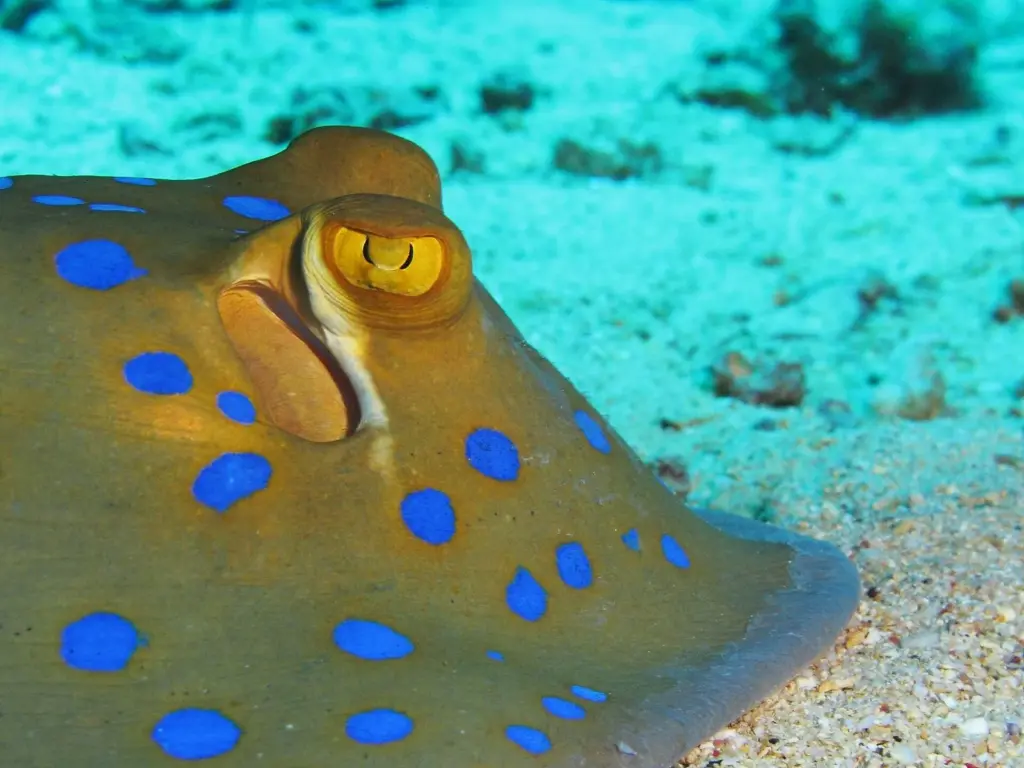
- Bluespotted ribbontail ray near the Giannis D (2010): photo by Alexander Vasenin, Wikimedia Commons (CC BY-SA 3.0)
- Big Brother island, Red Sea (2009): photo by Alexander Vasenin, Wikimedia Commons (CC BY-SA 3.0)


