Two hundred and forty kilometers (149 miles) north of Cairns, at the far end of a chain of narrow outer reefs called the Ribbons, a family of potato cod has been meeting divers for so long that the site is named after them. Most people who fly roughly 8,000 miles from Los Angeles for Great Barrier Reef diving have a moment like the Cod Hole in mind. Fewer have thought through the logistics. The reef runs about 1,400 miles (2,300 km) down the Queensland coast, its best diving sits well offshore, and the reef in the bleaching headlines isn’t the same reef everywhere. This page sorts out the bases, boats, seasons and costs so you can pick the version that fits your experience, time and budget.
Short answer: Yes, if you dive the outer reef rather than a crowded inshore site. Base in Cairns or Port Douglas for day boats and liveaboards, add the SS Yongala wreck from Townsville, and aim for June to November. Quicksilver’s outer-reef pontoon day costs AUD 338 (about US$238); Spirit of Freedom’s 3-night Ribbon Reefs trip starts at AUD 2,500 (about US$1,757).
Prices, fees and rules on this page were checked on September 24, 2026 against the agencies’ and operators’ own websites, the Reef Authority, the Australian Institute of Marine Science and the Australian and US governments. We name operators so you can compare like with like; none of them paid to appear here.
On this page: At a glance · Is it worth it? · Reef health · Where to base yourself · Best dive sites · Marine life · Best time to go · Getting there · Where to stay · Operators and prices · Budget · Courses and experience · Safety · Ningaloo, South Australia and New Zealand · Non-divers · Sample itinerary · FAQ
Great Barrier Reef diving at a glance
| Question | Answer (checked September 2026) |
|---|---|
| Skill level | An Open Water card covers pontoon and day-boat diving, and non-divers aged 12 and up can try an introductory dive. The SS Yongala and the Coral Sea are for experienced divers. |
| Best months | Year-round. June-July for dwarf minke whales, August-October for humpbacks, September-November for warm water and often calmer seas. Marine stinger season runs roughly November-May. |
| Water temperature | Roughly 73-75°F (23-24°C) in July and August, rising to 82-84°F (28-29°C) in January and February |
| Visibility | Often 50-80 ft (15-25 m) on the outer reef and better in the Coral Sea; inshore and island reefs are cloudier, especially after rain |
| Depth range | Coral gardens from about 10 ft (3 m) on the reef tops; the Yongala wreck at 52-98 ft (16-30 m); Osprey Reef’s walls drop about 3,280 ft (1,000 m) |
| Signature marine life | Potato cod, grey reef sharks and silvertips, green and loggerhead turtles, manta rays in the south, giant clams, dwarf minke whales in winter |
| Typical prices | Pontoon day AUD 338 (US$238) before transfers; 3-night liveaboard from AUD 2,500 (US$1,757); 7-night Coral Sea trip from AUD 4,750 (US$3,338) |
| Getting there | Nonstops from Los Angeles, San Francisco and Dallas-Fort Worth reach Sydney or Brisbane in about 14-17 hours; Cairns is another 2.5-3 hours |
| Entry rules | US passport plus an Electronic Travel Authority from the official Australian ETA app (AUD 20 service charge, about US$14); State Department advisory Level 1 |
| Reef charge | AUD 8.50 (about US$6) per person per full day, rising to AUD 9.00 on April 1, 2027 |
Is Great Barrier Reef diving worth the flight? Who it suits, and who should go elsewhere
For most divers, yes, with conditions. The Great Barrier Reef isn’t one reef but roughly 2,900 of them, inside a Marine Park of about 133,000 square miles (344,400 km²), which is bigger than Italy. That scale is the point. Along one coastline you can drift over shallow coral gardens a new diver can handle, circle coral pinnacles (“bommies”) on the Ribbon Reefs, dive Australia’s best-known wreck, hang off a Coral Sea wall while grey reef sharks patrol, and, in June and July, hold a surface line while dwarf minke whales come to look at you. Few trips offer that range.
It suits divers with ten days or more, because the journey eats two of them, and anyone who wants a liveaboard, since the Ribbon Reefs and the Coral Sea are beyond day-boat range. It suits mixed groups, thanks to pontoon days, and it suits new divers better than its reputation suggests: plenty of outer-reef sites are shallow, sheltered and easy.
It’s the wrong trip in a few situations:
- You have a week or less. After the date line and the connection to Cairns, a seven-day vacation leaves about four diving days. Cozumel, Bonaire or Hawaii give you more bottom time per day off work.
- You’re on a tight budget. Long boat runs and Australian prices make each dive expensive next to the Caribbean or Southeast Asia.
- You want bathwater in July. The southern winter brings water in the low to mid 70s °F and brisk trade winds. Pack a 5 mm suit.
- You expect perfect coral on every dive. After six mass bleaching events since 2016, some sites show damage. Good operators know which reefs look best, but nobody can promise pristine coral everywhere.
- You want a guide on every liveaboard dive. Some boats run buddy-team diving. Spirit of Freedom, for one, says buddy teams plan and conduct their own dives on its Ribbon Reefs trips.
Our take: Give it ten days or more, spend at least three nights on a liveaboard, and treat the day trips as a warm-up. A week of Cairns day boats is fine, but it isn’t the reef at its best, and it’s a very long way to go for fine.
How healthy is the reef in 2026? Bleaching, recovery and what you’ll see
Every diver asks this before paying for the flight. The honest answer: better than the headlines, worse than the postcards.
Heat stress has caused six mass bleaching events on the reef since 2016: in 2016, 2017, 2020, 2022, 2024 and 2025. The 2016 event hit the Far Northern section between Cape York and Port Douglas hardest, and about 22% of the reef’s coral died that year. In 2024 the Northern and Central regions bleached severely while the south got off lightly. The 2025 event made it two years running, and for the first time the Great Barrier Reef and Western Australia’s Ningaloo Reef bleached at the same time. All of it belongs to the fourth global bleaching event, which NOAA dates from January 2023 and which had put bleaching-level heat stress on about 84.4% of the world’s reef area by its June 2, 2026 update.
Bleaching isn’t the same as death. Corals under heat stress expel the algae that feed them and turn white; if the water cools in time, many recover. That’s why two reefs a few miles apart can look completely different a year later.
The latest survey numbers are encouraging. The Australian Institute of Marine Science’s 2025/26 annual summary found hard coral cover rising in the Northern region from 30.0% to 35.1% and in the Central region from 28.6% to 31.6%, while the Southern region held about steady (26.9% to 26.4%). That looks like the start of a recovery from the 2024 bleaching. The worry is time: fast-growing corals can bounce back within a few years of a bad event, but the gaps between marine heat waves keep getting shorter.
In the water, expect patchiness rather than a wasteland. Day boats move between moorings depending on conditions, and liveaboards cover so much ground that a disappointing site rarely comes twice in a row. You’ll see healthy hard and soft coral, and in places rubble and dead coral furred with algae. The fish, turtles, sharks and rays are still there. Ask operators which reefs they’re visiting this season and how they’ve fared; the good ones will tell you straight. AIMS publishes its summary each August, and if coral is your top priority, the Ribbon Reefs and the Coral Sea see the fewest visitors and the clearest water.
Where to base yourself: Cairns, Port Douglas, Townsville, the Whitsundays or the southern islands
Your base decides which reef you see. Operators in each town hold permits for their own stretch, and the reef is long enough that a Cairns day boat and a Whitsundays day boat never visit the same sites.
| Base | How you get there | Reef access | Best for | Trade-offs |
|---|---|---|---|---|
| Cairns | Cairns Airport (CNS), with domestic flights from Brisbane and Sydney | Outer reefs such as Flynn, Milln, Norman, Saxon and Hastings by day boat; liveaboards to the Ribbon Reefs and Coral Sea | First trips, liveaboards, the widest choice of boats and courses | The city waterfront is tidal mudflat, not beach |
| Port Douglas | About an hour’s drive north of Cairns Airport | The Agincourt Reefs on the edge of the continental shelf; Low Isles for snorkelers | Couples and families who want a resort town and a pontoon day | Fewer liveaboard departures; pricier stays |
| Townsville | Townsville Airport (TSV) | The SS Yongala wreck; outer reefs farther offshore | Wreck divers, or a Yongala side trip from Cairns | Smaller dive scene; the Yongala is advanced diving |
| The Whitsundays | Proserpine (PPP) or Hamilton Island (HTI) airports | Fringing reefs around the islands; outer-reef pontoon and dive days | Sailing trips with some diving on the side | Island reefs are sheltered but often cloudier than the outer reef |
| Southern islands (Lady Elliot, Heron) | Small plane to Lady Elliot; boat from Gladstone to Heron | Reef straight off the beach, with shore and boat dives | Turtles, manta rays, and walking from your room to the reef | Few beds, higher prices, cooler winter water |
Cairns: the default, for good reason
Most first-timers should start here. Cairns has the international airport, the biggest day-boat fleet, most of the liveaboards and most of the dive schools. Day boats usually fit two or three dives between a morning departure and a late-afternoon return. The one rule for scuba diving in Cairns: book a boat that goes to the outer reef, not the islands.
Port Douglas: the resort-town alternative
An hour north, Port Douglas is smaller, quieter and closer to the Agincourt Reefs, a line of ribbon reefs on the very edge of the continental shelf. Quicksilver moors its pontoon there, and smaller dive boats run to Agincourt and to Opal and Tongue reefs. It’s also the gateway to the Daintree Rainforest, which makes it the better base when half your group doesn’t dive.
Townsville: the Yongala base
Townsville’s draw is the SS Yongala, a steamer lost in a cyclone in 1911 and widely rated among the world’s great wreck dives. Boats run from Townsville and from Alva Beach near Ayr, closer to the wreck. The outer reef lies farther offshore here than off Cairns, so most visitors come for the Yongala and move on.
The Whitsundays: sailing first, diving second
The 74 Whitsunday Islands are one of Australia’s great sailing grounds, and a dive or two fits neatly into a sailing trip. The island reefs suit easy dives; outer sites such as Bait Reef and Hardy Reef mean a longer ride. Scuba diving in the Whitsundays makes sense when your group also wants the sailing and Whitehaven Beach’s silica sand. If diving is the whole point, Cairns or Port Douglas wins.
Lady Elliot and Heron: the southern islands
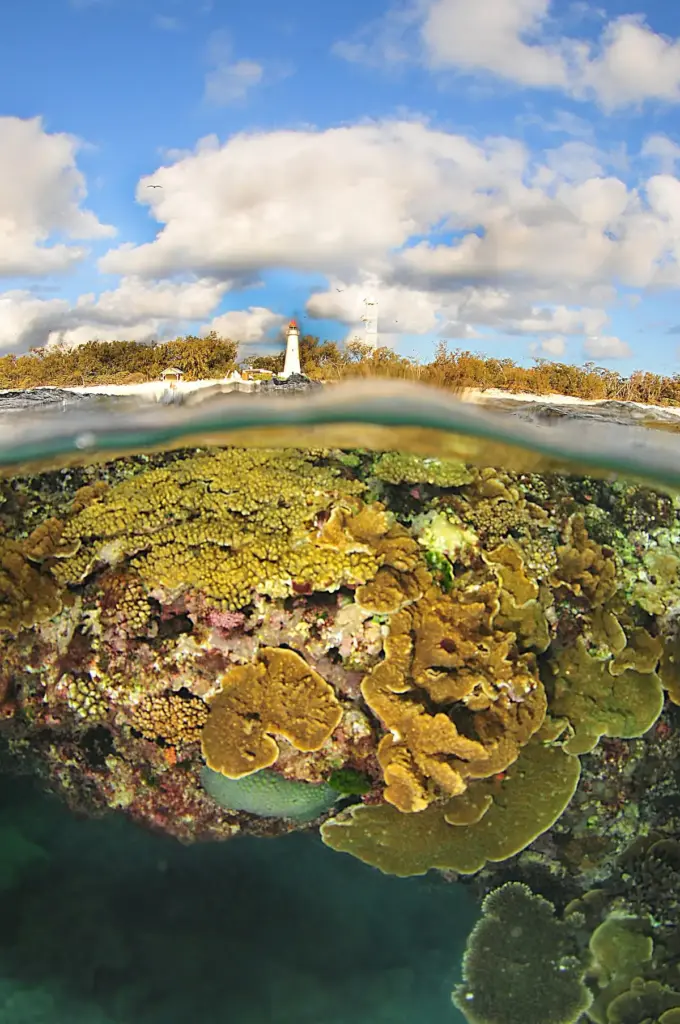
At the southern end of the reef, a few coral cays let you walk off the beach and onto the reef. Lady Elliot Island, reached by small plane, is known for manta rays and turtles. Heron Island, two hours by boat from Gladstone, is famous for turtles and has a university research station. The south escaped the worst of the 2024 bleaching, though its average coral cover, 26.4%, is now the lowest of the three regions AIMS surveys.
Outer reef, inner reef and the Coral Sea: why the distance matters
Every brochure says “reef,” so know the three zones. Inner and island fringing reefs sit close to the coast, where runoff and sediment cut visibility; they’re fine for snorkeling and training dives. The outer reef lines the edge of the continental shelf, one to two hours from Cairns or Port Douglas by fast boat, and that’s where clearer oceanic water and bigger fish are most likely. Beyond the shelf, in the separate Coral Sea Marine Park, isolated atolls such as Osprey Reef rise from very deep water about 220 km (137 miles) offshore. Only liveaboards reach them. When you compare trips, the first question is always which zone the boat actually visits.
The best dive sites on the Great Barrier Reef and in the Coral Sea
These are the sites that justify the flight, grouped by how you reach them. Treat the level as a guide; conditions on the day decide the rest.
| Site | How you reach it | Level | Why go |
|---|---|---|---|
| Cod Hole, Ribbon Reef No. 10 | Liveaboard from Cairns, 240 km (149 mi) north | Open Water | A family of massive, unbothered potato cod |
| Ribbon Reefs pinnacles (Pixie Pinnacle, Lighthouse Bommie, Challenger Bay) | Liveaboard from Cairns | Open Water with some experience | Coral pinnacles crowded with fish; good night dives |
| North Horn, Osprey Reef | Coral Sea liveaboard, about 220 km (137 mi) offshore | Experienced | Grey reef sharks and silvertips, typically up to 30-40 on a dive |
| Agincourt Reefs | Day trip from Port Douglas | All levels, including introductory dives | Clear outer-shelf water and a pontoon base for mixed groups |
| Cairns outer reefs (Flynn, Milln, Norman, Saxon, Hastings) | Day boat from Cairns | All levels | Variety within a day’s reach; good for courses and warm-up dives |
| SS Yongala | Day boat from Townsville or Alva Beach | Advanced recommended | A 1911 wreck at 52-98 ft (16-30 m), smothered in marine life |
| Lady Elliot Island | Fly-in island, southern reef | All levels | Manta rays, turtles and easy reef right off the island |
| Heron Bommie, Heron Island | Island resort, southern reef | All levels | Turtles, rays and schooling fish close to the island |
The Ribbon Reefs and the Cod Hole
The Ribbon Reefs are a chain of long, narrow reefs on the outer edge of the continental shelf north of Port Douglas, numbered 1 to 10 from south to north. They’re beyond day-boat range, which keeps them quiet. Spirit of Freedom’s 3-night trip runs up the Ribbons to the Cod Hole on Ribbon Reef No. 10, with 11 dives including a night dive at sites such as Pixie Pinnacle, Two Towers and Lighthouse Bommie. The Cod Hole’s groupers have met divers for decades. Keep your hands to yourself; they’re wild fish, not pets.
Osprey Reef and the Coral Sea
Osprey Reef diving is why serious divers book seven nights. The reef is an old volcanic atoll about 220 km (137 miles) off the coast, with walls that fall away about 3,280 ft (1,000 m) and visibility you rarely get closer to shore. Spirit of Freedom crosses overnight from the northern Ribbon Reefs (weather permitting) and spends two days there. At North Horn, where grey reef sharks and silvertips gather, the operator says divers typically see up to 30 to 40. This is diving for people comfortable in the blue and disciplined about their computers.
Agincourt Reef
If you only have one day, Agincourt is a good way to spend it. Quicksilver’s activity platform sits on Agincourt Reef at the edge of the continental shelf, and certified divers can make up to two dives of about 40 minutes with its instructors. First-timers aged 12 and up can try an introductory dive after a medical questionnaire and a 30-minute briefing, with no more than four students per instructor. The platform gives snorkelers and non-divers a base for the day, which is why so many mixed groups end up here.
The SS Yongala
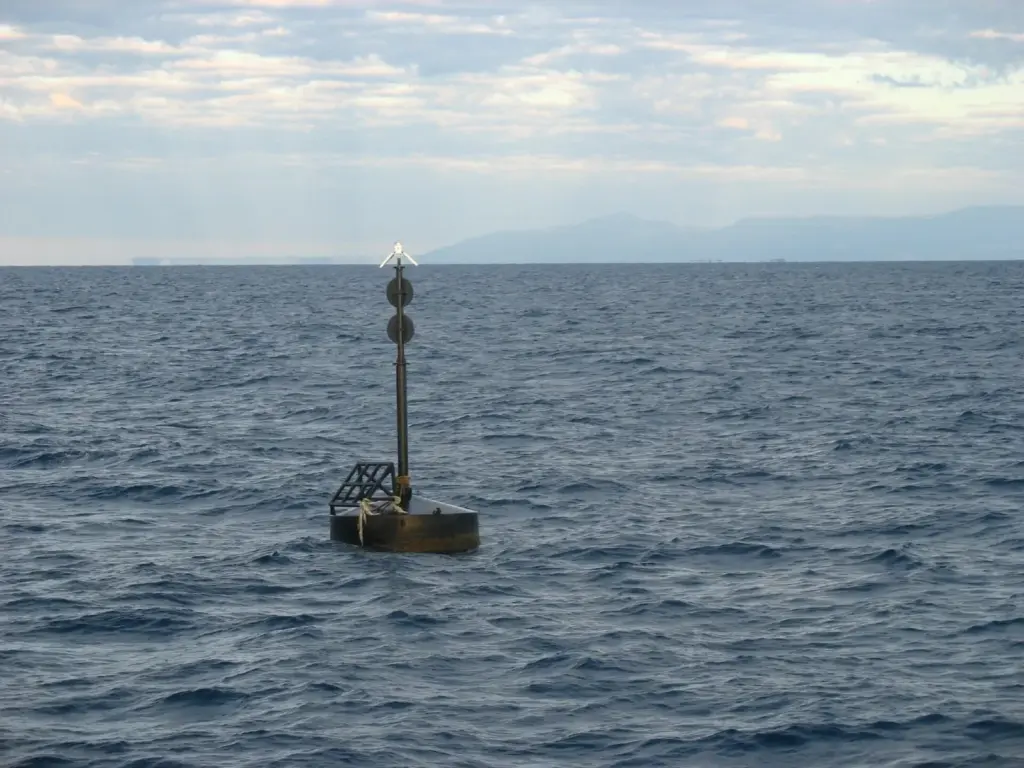
The Yongala went down in a cyclone on March 23-24, 1911, off Cape Bowling Green south of Townsville, with no survivors. The hull lies on its side on sand at about 98 ft (30 m), with the top at about 52 ft (16 m), and because it’s the only big structure for miles, it’s known for sea snakes, turtles, rays, giant groupers and dense schools of fish. It’s protected: penetration is prohibited, and access to the 797 m (about 2,600 ft) protected zone requires a permit, so you visit with a licensed operator. Currents can be strong and the bottom sits past Open Water depth, so Advanced certification is the sensible bar. Weather cancels trips, so leave a spare day.
Marine life and the seasonal calendar
The reef’s fish list runs well past a thousand species, and six of the world’s seven sea turtle species live in its waters. Most visiting divers remember a handful of big encounters: the Cod Hole’s potato cod, the Coral Sea’s sharks, turtles almost everywhere, manta rays around Lady Elliot Island, and the sea snakes and giant groupers of the Yongala. Whitetip and grey reef sharks turn up on many outer-reef dives, wary rather than dangerous.
Winter adds the whales. Dwarf minke whale trips run only in June and July on the northern Ribbon Reefs, as 4- to 7-night liveaboards; swimmers hold a line at the surface and let the whales choose how close to come. Minkes are most often seen from June to August, and humpback whales from August to October, when you may watch them breach from the deck on the crossing.
| What | When | Where |
|---|---|---|
| Dwarf minke whale swims | June-July | Northern Ribbon Reefs, on 4- to 7-night liveaboards |
| Humpback whales | August-October | Along the reef, often seen from boats |
| Mass coral spawning | Usually a few nights after a full moon, October-December | Reef-wide |
| Turtle nesting and hatching | Southern summer | Southern cays such as Heron and Lady Elliot |
| Marine stinger season | Roughly November-May | Coastal and island waters of tropical Queensland |
When is the best time to dive the Great Barrier Reef?
You can dive the reef in any month; the seasons are trade-offs rather than good and bad. June to November suits most divers.
The tropical north has two seasons. The wet, roughly December to April, brings heat, humidity, downpours and the risk of cyclones; Australia’s cyclone season officially runs from November through April. The marine stinger season, which Surf Life Saving Queensland puts at November through May, overlaps most of it. The dry, roughly May to November, is sunnier and less humid, but the southeast trade winds blow hardest from about June to August and can make the crossing to the outer reef bumpy. September to November often brings lighter winds and warm water before the wet sets in.
| Month | Water (approx.) | Weather and sea | Highlights and trade-offs |
|---|---|---|---|
| January | 82-84°F (28-29°C) | Wet season: hot, humid, heavy rain; cyclone risk | Stinger suits essential; Australian school break until late January |
| February | 82-84°F (28-29°C) | Peak wet; cyclone risk | Fewer visitors; weather can cancel trips |
| March | 82-84°F (28-29°C) | Wet, easing late in the month | Warm water, quieter boats |
| April | 80-82°F (27-28°C) | Transition; cyclone season ends April 30 | Easter school break is busy |
| May | 79-81°F (26-27°C) | Dry season begins; trade winds build | Stinger season winds down |
| June | 75-79°F (24-26°C) | Dry and breezy | Dwarf minke season opens on the Ribbon Reefs |
| July | 73-75°F (23-24°C) | Coolest water; often windy | Minke whales; winter school break |
| August | 73-75°F (23-24°C) | Dry; wind can linger | Humpbacks arrive; minkes still possible |
| September | 75-77°F (24-25°C) | Dry; winds often ease | Humpbacks; settled conditions |
| October | 77-79°F (25-26°C) | Warm, often calm | Humpbacks tail off; coral spawning possible |
| November | 79-81°F (26-27°C) | Hot; storms begin; cyclone season opens November 1 | Stinger season starts; coral spawning |
| December | 81-84°F (27-29°C) | Wet season arrives | School break begins; book liveaboards early |
Two more things matter to Americans. Australian school vacations (mid-December to late January, plus shorter breaks around Easter, late June to mid-July and late September to early October) fill boats and hotels, so book early for those dates. And because the flight is so long, a short Thanksgiving trip is poor value; a closer destination gives you more diving.
Planning a dive trip to the Great Barrier Reef from the US
Flights and connections
Nonstop flights leave Los Angeles, San Francisco and Dallas-Fort Worth for Sydney or Brisbane and take roughly 14 to 17 hours. East Coast travelers connect on the West Coast or in Dallas, or route through Auckland. There’s no nonstop from the mainland US to Cairns, so you’ll connect in Brisbane (about 2.5 hours to Cairns) or Sydney (about 3). Townsville, the Whitsundays’ airports and Gladstone are domestic hops too.
Flying west, you cross the International Date Line and lose a day: leave Los Angeles late on a Saturday and you land early Monday. You get it back on the way home. Queensland skips daylight saving time and sits at UTC+10, 14 to 18 hours ahead of the continental US depending on your time zone and the season. Plan a light first day, not a 6 a.m. boat.
Passports, the ETA and biosecurity
US citizens need a passport and an Electronic Travel Authority (ETA, subclass 601) before boarding. Apply in the official Australian ETA app: the Department of Home Affairs says there’s a service charge of AUD 20 (about US$14) to use the app and no other charge for the ETA, and each stay can last up to three months. Official-looking third-party websites charge extra for the same thing, so use the app. The State Department’s advisory for Australia sits at Level 1, exercise normal precautions.
Australia takes biosecurity seriously. Declare food, plant and animal products and anything that’s been in contact with soil or fresh water, and pack your gear clean and dry. Undeclared items can earn a fine; declared ones usually just get a look.
Great Barrier Reef Marine Park rules and the reef charge
Almost all of the reef lies inside the Great Barrier Reef Marine Park, managed by the Great Barrier Reef Marine Park Authority, which now goes by the Reef Authority. Visitors on commercial trips pay its Environmental Management Charge (EMC), which operators collect and pass on. The Reef Authority’s schedule sets it at AUD 8.50 (about US$6) per person per day for trips of three hours or more and AUD 4.25 for shorter ones, rising to AUD 9.00 and AUD 4.50 on April 1, 2027. Some operators fold it into the fare; Pro Dive Cairns, for example, includes the EMC, port departure tax and an administration fee in its liveaboard price. Others add it on the day, so ask.
The park is zoned, and in green zones fishing and collecting are banned. Nothing leaves the water with you anywhere. Don’t touch or stand on coral, don’t feed the fish, and keep your fins off the reef: at a busy mooring, a few hundred careless kicks a day add up.
Where to stay
We don’t quote nightly rates, which swing with the seasons and school vacations, but the tiers are easy to read.
- Cairns on a budget: backpacker hostels and simple motels around the city center, most of them on the dive boats’ hotel pickup routes.
- Cairns mid-range: apartment hotels and chain hotels along the Esplanade, within walking distance of the Reef Fleet Terminal, where many day boats leave.
- Port Douglas: resort hotels and self-catering apartments near Four Mile Beach, good for families and couples and close to the Agincourt boats.
- Island resorts: small resorts on coral cays such as Lady Elliot and Heron. Beds are limited, so book months ahead for peak periods.
- Townsville and Magnetic Island: city hotels and island apartments for a night or two around a Yongala trip.
- The liveaboard itself: on a multi-night trip, the boat is your hotel. Book a Cairns room for the night before departure; Spirit of Freedom’s courtesy bus collects divers from Cairns hotels.
Choosing a dive operator: pontoons, day boats and liveaboards
Trips come in four shapes, and choosing the right shape matters more than choosing the right company.
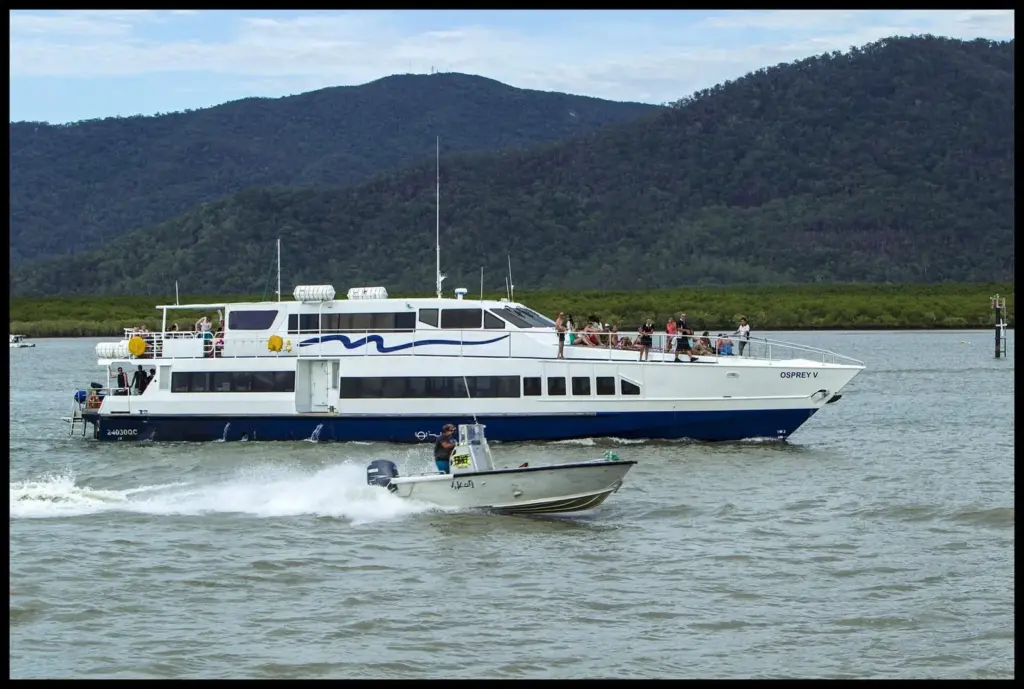
- Pontoon days: a big, fast catamaran carries hundreds of people to a moored outer-reef platform with snorkeling, optional dives and lunch. Great for mixed groups; crowded for keen divers.
- Dive day boats: smaller boats taking mostly divers to two or three outer-reef sites, back for dinner.
- Short liveaboards (two or three nights): outer reefs off Cairns or the Ribbon Reefs, with night dives and early dives before the day boats arrive.
- Long liveaboards (four to seven nights): the Ribbon Reefs and Coral Sea, plus the June-July minke whale trips.
| Trip (checked September 24, 2026) | Price (AUD) | About (USD) | What you get |
|---|---|---|---|
| Quicksilver Outer Barrier Reef day, Agincourt Reef (from Port Douglas) | 338 adult; 179 child; 864 family | $238; $126; $607 | Cruise and platform day; transfers AUD 26 from Port Douglas or AUD 45 from Cairns, plus a AUD 10 fuel surcharge. Confirm what diving adds when you book. |
| Pro Dive Cairns 3-day/2-night outer-reef liveaboard | See its rates table | n/a | Up to 11 dives including 2 night dives; EMC, port departure tax and admin fee included |
| Spirit of Freedom 3 nights, Cod Hole and Ribbon Reefs | 2,500 (quad) to 3,700 (ocean-view deluxe) | $1,757-$2,600 | 11 dives including a night dive; leaves Cairns on Thursdays; 10+ ocean dives recommended |
| Spirit of Freedom 7 nights, Cod Hole and Coral Sea | 4,750 (quad) to 7,500 (ocean-view deluxe) | $3,338-$5,270 | The Ribbon Reefs plus two days at Osprey Reef |
Prices are per person, converted at the European Central Bank’s reference rates for September 24, 2026 (A$1 = US$0.70). Twin-share cabins on Spirit of Freedom cost AUD 2,900 (about US$2,040) for three nights and AUD 5,600 (about US$3,935) for seven.
Great Barrier Reef liveaboards vary more than the brochures suggest, so ask these before you book:
- Which reefs does the boat visit, and are they on the outer reef?
- Are dives guided, or do buddy teams plan their own?
- Is the EMC in the price? What about nitrox, rental gear and stinger suits?
- How many divers are there per guide, and how many passengers in total?
- What experience, medical and logbook requirements apply?
On tipping: Australian crews are paid a full wage, and tipping isn’t expected the way it is at home. A tip at the end of a liveaboard for a crew that looked after you is appreciated, not assumed.
What Great Barrier Reef diving costs: a 7-night budget in US dollars
Airfare is the biggest and most seasonal cost, so price your own dates first. Here’s the on-the-ground part of two sample weeks, per person, at prices checked on September 24, 2026.
| Item (per person) | Plan A: Cairns, one reef day and a 3-night Ribbon Reefs trip | Plan B: 7-night Coral Sea liveaboard |
|---|---|---|
| Australian ETA (AUD 20) | $14 | $14 |
| Liveaboard, twin share | $2,040 (AUD 2,900) | $3,935 (AUD 5,600) |
| Quicksilver day with Cairns transfer and fuel surcharge (AUD 393) | $276, before any dive add-ons | n/a |
| Reef charge | About $6 a day where it isn’t in the fare | Ask whether it’s in the fare |
| Hotel | 4 nights in Cairns, tier of your choice | 1 night in Cairns |
| Flights | US-Australia round trip plus the domestic hop | Same |
| Priced items | About $2,330, plus hotel, meals and flights | About $3,949, plus hotel and flights |
To trim, take a quad-share cabin: AUD 2,500 (about US$1,757) for three nights or AUD 4,750 (about US$3,338) for seven. To splurge, ocean-view cabins run up to AUD 3,700 (about US$2,600) and AUD 7,500 (about US$5,270). Day-boat and course prices vary between Cairns operators, so compare a few before you commit.
Our take: The liveaboard isn’t the cheapest way to see the reef, but it’s the best value. Three nights on the Ribbon Reefs buy 11 dives, every meal and a bed, on reefs the day boats never reach.
Learning to dive on the reef, and how much experience you need
You don’t need a certification to breathe underwater here. On Quicksilver’s pontoon, for example, introductory divers must be 12 or older, complete a medical questionnaire and sit a 30-minute briefing, and one instructor takes no more than four of them. A “yes” on the questionnaire can mean you need a doctor’s clearance before you dive, which is hard to arrange at 7 a.m. on a wharf, so if you have asthma, heart or ear trouble, get checked at home.
Learning to scuba dive on the Great Barrier Reef is popular, and Cairns schools run full Open Water courses that finish with dives on the outer reef. For most Americans the smarter plan is to do the theory and pool sessions at home, then complete the open water dives on the reef as referral dives, which saves vacation days for diving instead of classroom time. Our guide to scuba certification explains how referrals work across PADI, SSI and NAUI.
For certified divers, experience counts for more than the card. Open Water training takes you to about 60 ft (18 m), which covers nearly all reef diving but not the bottom of the Yongala. Spirit of Freedom recommends at least 10 ocean dives, five in the past 12 months, for its Ribbon Reefs trip, and its buddy-team system assumes you can navigate your own dives. For the Yongala and the Coral Sea, Advanced Open Water plus recent deeper dives is the sensible bar. If your last dive was over a year ago, book a refresher before you fly.
Safety: stingers, currents, sun and distance from help
Marine stingers
Tropical Queensland has two dangerous jellyfish: the box jellyfish and the irukandji, a transparent box jellyfish 1 to 2 cm across that you usually never see. According to Surf Life Saving Queensland, stingers can turn up in any month, but the risk is highest in the stinger season, which typically runs from November through May. In season, wear a full-body lycra stinger suit on every dive and snorkel, even offshore; it doubles as sun protection. Crews carry vinegar for first aid. If someone develops severe pain, nausea or sweating within about half an hour of what seemed a minor sting, treat it as an emergency.
Currents, depth and remoteness
The outer reef and the Coral Sea are open ocean. Currents can run hard around channels and reef edges, and the briefing tells you which way to go, so listen to it. Carry a surface marker buoy and know how to deploy it. Remoteness is the bigger risk: the outer reef is one to two hours from port and the Coral Sea a night’s sail, so a serious injury means a long wait for treatment on the mainland. Dive conservatively, stay well inside your computer’s no-decompression limits and check that the boat carries emergency oxygen.
Buy dive accident insurance that covers evacuation from a remote liveaboard; a US health plan is unlikely to pay for an air ambulance in Queensland. And plan around the flight home: the widely used guideline is at least 18 hours between your last dive and flying after several days of diving, and a full no-dive day before a 14-hour flight is smarter.
Sun, heat and crocodiles
The tropical sun burns fast on an open boat deck, even on overcast days, so cover up and drink more water than you think you need. Saltwater crocodiles live in the rivers, estuaries and some beaches of north Queensland. They’re not a reef-diving concern, but take the warning signs on mainland beaches seriously.
Beyond the Great Barrier Reef: Ningaloo, South Australia, New South Wales and New Zealand
Australia’s best diving isn’t all on the east coast. If you’re flying this far, these are the add-ons worth knowing, and a couple are worth a trip of their own.
Ningaloo Reef and whale sharks
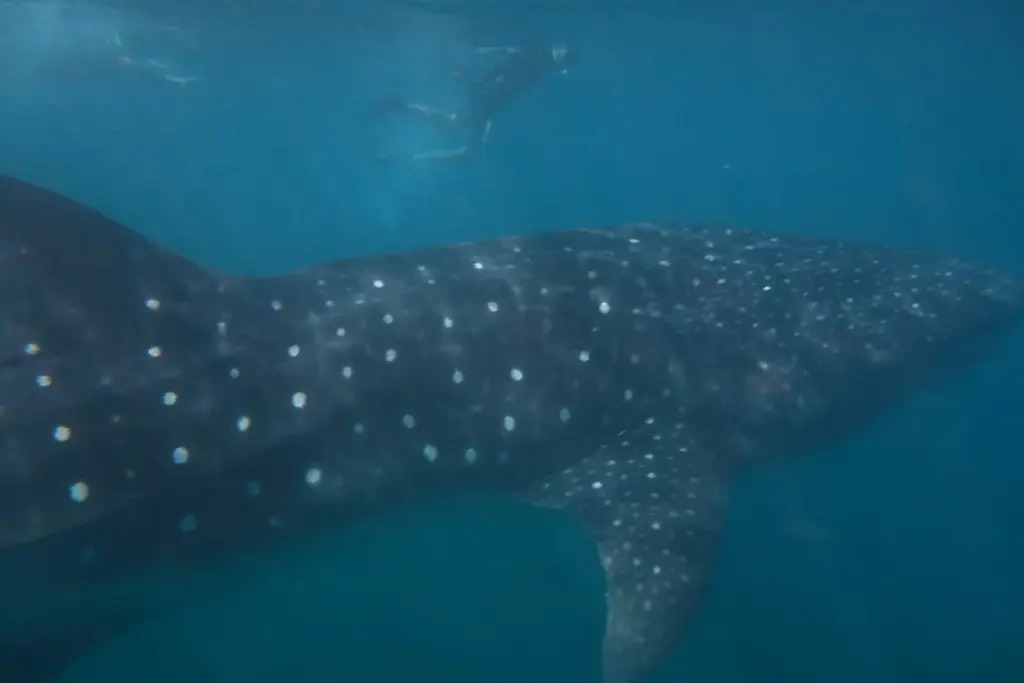
On the other side of the continent, Western Australia’s Ningaloo Reef runs close to shore near Exmouth and Coral Bay, and from about March to July it hosts one of the most dependable whale shark gatherings anywhere. Tours typically run to the end of June from Coral Bay and to August from Exmouth, with sightings often continuing into October, and humpback swims are possible in the same period. Western Australia’s Department of Biodiversity, Conservation and Attractions licenses the operators and sets the rules: no more than 10 people in the water, at least 3 m (10 ft) from the head or body and 4 m (13 ft) from the tail, no touching and no flash photography. These are snorkeling swims, not dives. Our guide to where to swim with whale sharks compares Ningaloo with Mexico, the Maldives and the Philippines.
South Australia: great white sharks
Port Lincoln, on South Australia’s Eyre Peninsula, is the base for cage diving with great white sharks at the Neptune Islands. It’s one of the few places left to do it since Mexico made its ban on cage diving at Guadalupe Island permanent in January 2023. The cooler water off Adelaide adds leafy seadragons for patient divers. Our shark diving guide covers the Neptune Islands alongside South Africa, the Bahamas and the other big shark destinations.
New South Wales and the southeast
The best diving in NSW is subtropical to temperate, with grey nurse sharks at sites such as Fish Rock off South West Rocks and Julian Rocks off Byron Bay. Two scuttled warships make popular artificial reefs: HMAS Brisbane off Mooloolaba, Queensland (sunk in 2005), and HMAS Canberra off Barwon Heads, Victoria (2009). For a longer list of the best scuba diving in Australia, add Lord Howe Island, often called the world’s southernmost coral reef, Christmas Island and the Rowley Shoals.
New Zealand
Scuba diving in New Zealand is a different sport: cooler, greener water, kelp, and a thicker wetsuit. The Poor Knights Islands marine reserve off Northland is the headline, and the former Greenpeace ship Rainbow Warrior was scuttled near Matauri Bay in 1987 as a dive site. New Zealand needs its own electronic authority, the NZeTA, which costs from NZ$17 (about US$10) in the official app, and most visitors also pay an international visitor levy with it. The State Department rates New Zealand Level 1, and Auckland is about three hours’ flying from Brisbane or Sydney.
For non-divers in your group
Queensland is an easy place to bring non-divers. Pontoon days are built for mixed groups, with snorkeling (in stinger suits in season), semi-submersible or glass-bottom boat rides on many trips, and lunch while the divers go down. On land, the Kuranda Scenic Railway and Skyrail cableway climb into the rainforest above Cairns, and the Daintree and Mossman Gorge lie north of Port Douglas. The Wet Tropics rainforest is a UNESCO World Heritage site in its own right, so the non-divers may come home with the better photos.
A sample 11-day Great Barrier Reef dive trip from the West Coast
- Day 1 (Saturday): leave Los Angeles late in the evening.
- Day 2 (Sunday): lost to the International Date Line.
- Day 3 (Monday): land in Brisbane or Sydney early and connect to Cairns. Walk the Esplanade and sleep early.
- Day 4 (Tuesday): outer-reef day boat or a Quicksilver day at Agincourt. Two easy dives to shake off the rust and check your weighting.
- Day 5 (Wednesday): rainforest day at Kuranda or the Daintree, or a second day boat.
- Days 6-9 (Thursday-Sunday): 3-night Ribbon Reefs liveaboard from Cairns, with up to 11 dives including the Cod Hole and a night dive.
- Day 10 (Monday): no diving. Port Douglas, Mossman Gorge or the hotel pool.
- Day 11 (Tuesday): fly home, landing in the US on the same calendar day.
With more time, swap the 3-night trip for the 7-night Coral Sea trip, or add two days in Townsville for the Yongala. In June or July, look for a minke whale liveaboard instead.
Frequently asked questions
Can you scuba dive the Great Barrier Reef without being certified?
Yes. Introductory dives let you dive with an instructor on the day without a certification. On Quicksilver’s pontoon at Agincourt Reef, for example, you need to be 12 or older, complete a medical questionnaire and sit a 30-minute briefing, and each instructor takes no more than four people. It’s a taste, not a qualification; to dive without an instructor you need an Open Water course.
How much does it cost to scuba dive the Great Barrier Reef?
A Quicksilver pontoon day costs AUD 338 (about US$238) per adult before transfers and the fuel surcharge, and you should confirm what diving adds. Spirit of Freedom’s 3-night Ribbon Reefs liveaboard starts at AUD 2,500 (about US$1,757) and its 7-night Coral Sea trip at AUD 4,750 (about US$3,338). The reef charge is AUD 8.50 a day where it isn’t in the fare (checked September 2026).
When is the best time to scuba dive the Great Barrier Reef?
June to November suits most divers. June and July bring dwarf minke whales to the northern Ribbon Reefs, August to October brings humpbacks, and September to November often has calmer seas and warm water before the wet season. December to April is hot and wet with a cyclone risk, and November to May is stinger season, when you’ll dive in a full-body suit.
How deep do you dive on the Great Barrier Reef?
Not very deep, on most dives. Much of the best coral grows in the top 30-60 ft (9-18 m), which is why Open Water divers, trained to about 60 ft, see plenty. The deep exceptions are the SS Yongala, which lies at 52-98 ft (16-30 m), and the Coral Sea walls at Osprey Reef, which drop about 3,280 ft (1,000 m). Those call for Advanced training and experience.
Is the Great Barrier Reef still worth seeing after the bleaching?
Yes. The reef has bleached six times since 2016, most recently in 2024 and 2025, and some sites show damage. But the Australian Institute of Marine Science’s 2025/26 survey found coral cover rising in the Northern region, to 35.1%, and the Central region, to 31.6%, with the Southern region steady at 26.4%. Choose outer-reef or liveaboard trips and ask operators which reefs they’re visiting.
What is the water temperature on the Great Barrier Reef?
Roughly 73-75°F (23-24°C) in July and August, the coolest months, and 82-84°F (28-29°C) in January and February. The southern reef around Lady Elliot and Heron runs a little cooler than Cairns in winter. A 3 mm suit is fine in summer; many divers switch to 5 mm from June to September, especially on liveaboards with three or four dives a day.
Do Americans need a visa to visit Australia?
US citizens need an Electronic Travel Authority, which is linked to your passport and works in place of a visa for tourist visits. Apply in the official Australian ETA app: Home Affairs lists a service charge of AUD 20 (about US$14) and no other charge, and you can stay up to three months per visit. Skip third-party websites that charge extra for the same thing.
Where is the best place to scuba dive on the Great Barrier Reef?
For the best of the reef, take a liveaboard from Cairns to the Ribbon Reefs and the Cod Hole, or a 7-night trip that adds Osprey Reef in the Coral Sea. For day trips, the outer reefs off Cairns and the Agincourt Reefs off Port Douglas are the pick. Wreck divers should add the SS Yongala from Townsville, and the southern islands suit easy, turtle-filled diving.
Sources and verification
Everything on this page was checked on September 23-24, 2026 against the organizations listed below. The page is compiled from their published information and doesn’t claim first-hand visits.
- Great Barrier Reef Marine Park Authority (Reef Authority): Environmental Management Charge rates
- Australian Institute of Marine Science: Annual Summary Report of Coral Reef Condition 2025/26, read through the Global Coral Reef Monitoring Network’s summary
- Great Barrier Reef Foundation: coral bleaching events
- NOAA Coral Reef Watch: fourth global coral bleaching event
- Australian Department of Home Affairs: Electronic Travel Authority (subclass 601)
- US Department of State: Australia travel advisory and New Zealand travel advisory
- Surf Life Saving Queensland: marine stingers
- Western Australia Department of Biodiversity, Conservation and Attractions: whale shark management
- Immigration New Zealand: NZeTA
- Spirit of Freedom: 3-night trip and 7-night trip
- Quicksilver Cruises: Outer Barrier Reef fares and diving
- Pro Dive Cairns: 3-day outer-reef liveaboard
- European Central Bank: euro reference exchange rates (September 24, 2026)
Also checked: Tourism Australia’s Queensland dive page, PADI’s Great Barrier Reef page, Tropical North Queensland’s jellyfish safety page, Australia’s Coral Coast on Ningaloo whale sharks, DAN on packing dive gear, and Wikipedia’s entries on the SS Yongala and on ships sunk as dive sites.
Scuba Tourism Guide is an independent publication. It is not affiliated with any agency, park or dive operator named here, and no one paid to be included.
Photo credits
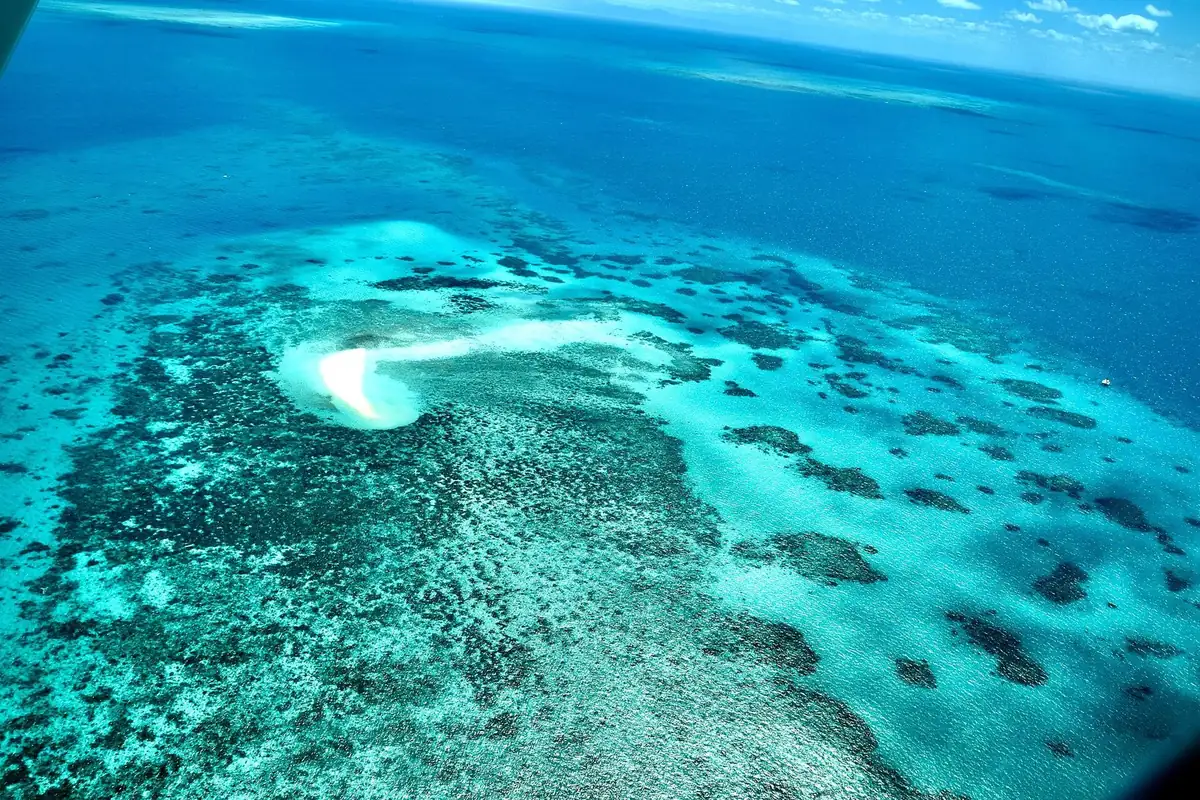
- Aerial view of the Great Barrier Reef (featured image): photo by Ank Kumar, Wikimedia Commons (CC BY-SA 4.0)
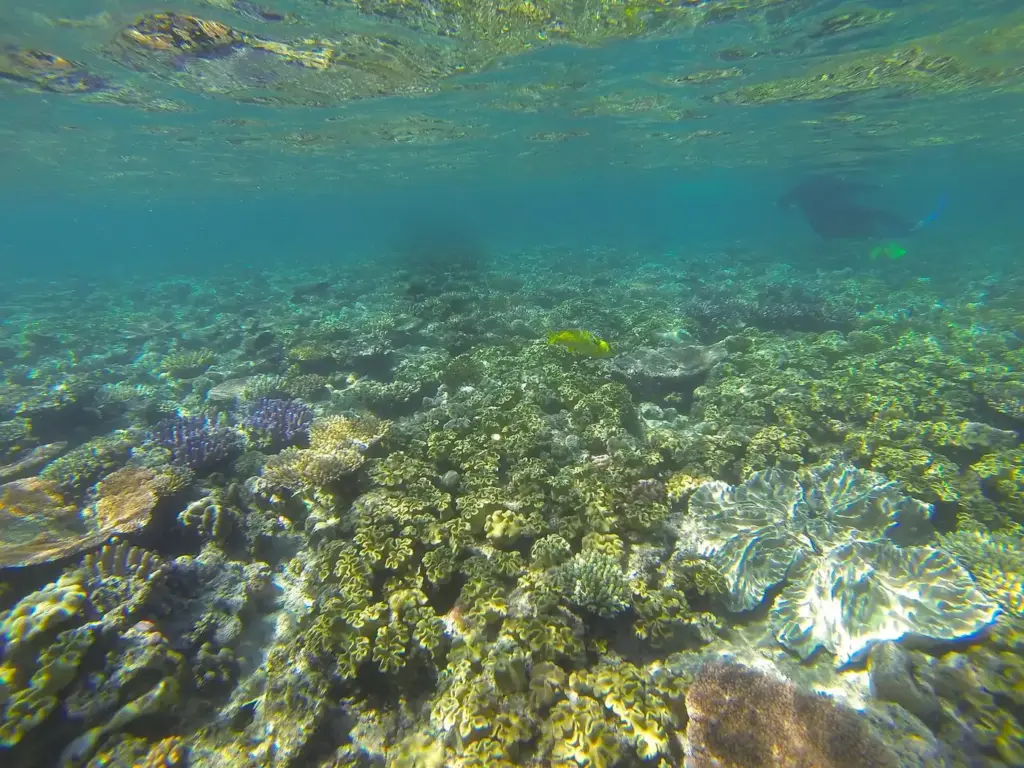
- Snorkeler over shallow coral, Great Barrier Reef (2014): photo by Dmitry Brant, Wikimedia Commons (CC BY-SA 4.0)
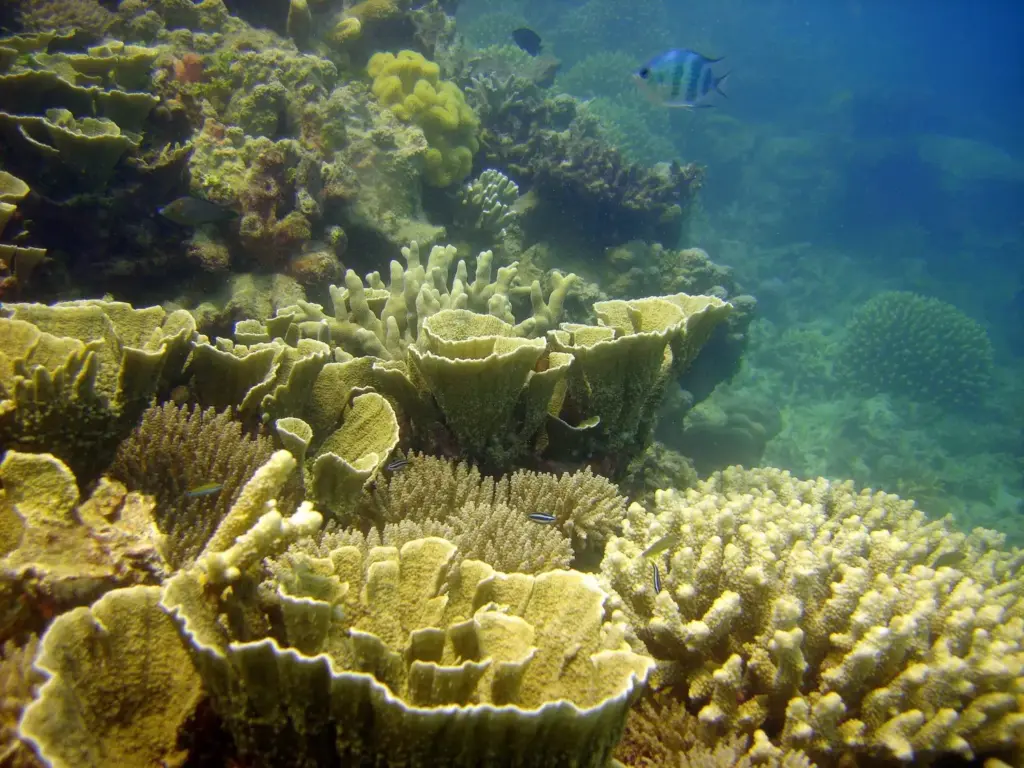
- Hard corals at Heron Island, southern Great Barrier Reef: photo by Ove Hoegh-Guldberg / Oregon State University, Wikimedia Commons (CC BY-SA 2.0)
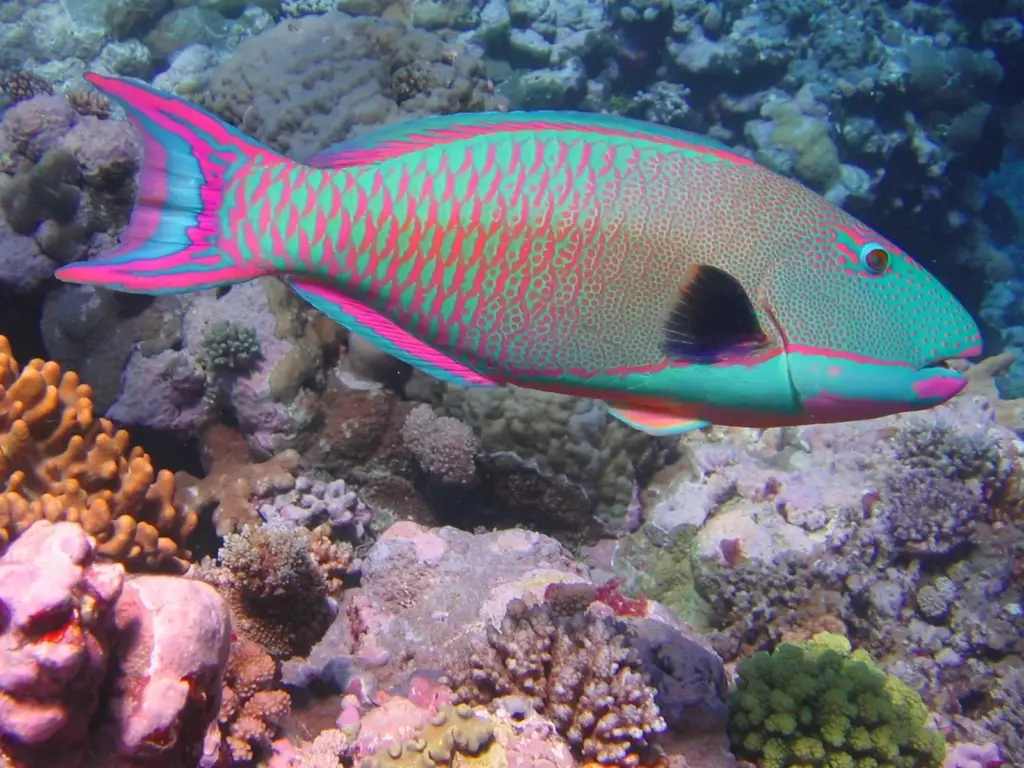
- Bicolor parrotfish, Osprey Reef, Coral Sea: photo by Unknown photographer, Wikimedia Commons (CC BY-SA 3.0)
- Marker buoy above the SS Yongala wreck: photo by Orin Optiglot, Wikimedia Commons (CC BY-SA 2.0)
- Lady Elliot Island lighthouse and coral reef: photo by Holobionics, Wikimedia Commons (CC BY-SA 4.0)
- Cairns reef boat Osprey V returning from the reef (2014): photo by Sheba_Also 43,000 photos, Wikimedia Commons (CC BY-SA 2.0)
- Snorkelers with a whale shark, Ningaloo Reef: photo by Sylke Rohrlach from Sydney, Wikimedia Commons (CC BY-SA 2.0)


