A diver can walk into the water from a roadside stone on Bonaire, drop onto a 1940s German freighter off Aruba, drift along Cozumel’s walls, watch Caribbean reef sharks circle off Nassau and snorkel with humpback whales north of the Dominican Republic, all within about four hours’ flying from Miami. That variety is why the question of the best scuba diving in the Caribbean has no single answer. The right island depends on whether you want shore diving or boat diving, walls or wrecks, sharks or whales, a passport stamp or none at all, and how much hurricane risk you’ll accept. This guide compares more than 30 islands on the things American divers actually decide by, then gives a verdict for each kind of diver.
Short answer: Bonaire is the best all-round Caribbean island for diving, for easy, unlimited shore diving. Pick Little Cayman for walls, the Bahamas for sharks, Cozumel for drift diving, Saba and Dominica for volcanic pinnacles, and Curaçao or Bonaire in hurricane season. Two-tank boat trips cost about $100-$180 (checked September 2026).
Prices, fees and rules on this page were checked on September 23-24, 2026 against the agencies’ and operators’ own websites, the US State Department and Treasury, and park authorities. We name operators and resorts so you can compare like with like; none of them paid to appear here.
On this page: At a glance · Best island by diver type · 30 islands compared · Region by region · Reef health · Best time to dive · Flights and entry rules · Dive resorts and packages · Dive prices · Shore diving · Cruise diving · Getting certified · Safety · Non-divers · Trip ideas · FAQ
Best scuba diving in the Caribbean at a glance
| Question | Answer (checked September 2026) |
|---|---|
| Skill level | Every level. Bonaire, Curaçao and most resort reefs suit beginners; the Cozumel drifts, deep wrecks and Bahamas shark dives call for experience. |
| Best months | December to May for dry, settled weather; June to November is hurricane season, with the peak on September 10. The ABC islands (Aruba, Bonaire, Curaçao) lie far enough south to be a safer bet in season. |
| Water temperature | About 80°F (27°C) in winter to 89°F (32°C) in September at St Thomas (NOAA averages); Turks and Caicos drops to about 75°F (24°C) in late January |
| Visibility | Commonly 50-100 ft (15-30 m); Bonaire averages more than 100 ft, and the Bahamas’ tourism board claims up to 150-200 ft |
| Depth range | Shore reefs from 15 ft (5 m); walls that drop far past recreational limits off Little Cayman; most recreational dives stay in 30-100 ft |
| Signature marine life | Hawksbill and green turtles, Caribbean reef sharks, eagle rays, moray eels, tiger and great hammerhead sharks in the Bahamas, humpbacks off the Dominican Republic and Turks and Caicos |
| Two-tank boat trip | From about $100 (Aruba, own gear) to $179 (Turks and Caicos); shark dives $242-$349 |
| Getting there | Nonstops from the East Coast, Texas and the Midwest to most big dive islands; Saba and Little Cayman need a connection |
| Entry rules | US passport for every island except Puerto Rico and the US Virgin Islands. Watch for fees: Bonaire $40 plus $75, Aruba $20, Cozumel 225 MXN a day. |
Which is the best Caribbean island for diving? Our picks by diver type
| If you want | Go to | Why |
|---|---|---|
| Shore diving on your own schedule | Bonaire, then Curaçao | Bonaire has more than 85 sites, 54 easily reached from shore, and diving is possible 24 hours a day |
| Walls | Little Cayman, Cozumel, Grand Cayman | Bloody Bay Wall starts at 18 ft and drops vertically; Cozumel’s walls come with a free ride on the current |
| Wrecks | Grand Cayman, Aruba, the BVI, Grenada, Cayman Brac | The Kittiwake, the Antilla, the RMS Rhone, the 600-ft Bianca C and a Russian frigate |
| Sharks | The Bahamas | Tiger sharks at Tiger Beach, great hammerheads at Bimini, reef sharks off Nassau |
| Humpback whales | Silver Bank (Dominican Republic), Turks and Caicos | Winter breeding grounds; Silver Bank trips are snorkel-only |
| Whale sharks | Utila (Honduras) | Main season late February to April |
| Volcanic pinnacles | Saba, Dominica | Steep, remote and far less crowded |
| Cheap certification | Utila, Roatan | Open Water from about $300 on Utila, including basic lodging |
| No passport | Puerto Rico, St Thomas, St Croix | US territories, so domestic flights |
| Diving in hurricane season | Curaçao, Bonaire, Aruba | South of the main hurricane belt |
| An all-inclusive with diving thrown in | Sandals and Beaches resorts | Daily guided dives included for certified divers |
Our take: For a first Caribbean dive trip, go to Bonaire. It’s the easiest place in the region to log a lot of dives cheaply and safely, and the reefs are protected. Once you’ve done Bonaire, the Caymans, Cozumel and the Bahamas each add something Bonaire can’t: walls, drift diving and sharks.
Caribbean dive destinations compared: 30 islands side by side
This is the matrix nobody else publishes: every major Caribbean dive island with its style of diving, what it’s known for, examples of US nonstop service and the State Department’s advisory level, checked in September 2026. Nonstop lists are examples, not complete schedules.
| Island | Diving style | Known for | US nonstops include | Advisory |
|---|---|---|---|---|
| Bonaire | Shore, boat | Protected fringing reef, 24-hour shore diving, Hilma Hooker wreck | Miami, Atlanta, Newark, Houston | Level 1 |
| Curaçao | Shore, boat | Shore diving, Tugboat wreck, Klein Curaçao | Atlanta, New York-JFK, Newark | Level 1 |
| Aruba | Boat | The Antilla wreck | Atlanta, New York-JFK, Chicago, Houston, Newark, Washington-Dulles, Baltimore, Orlando | Level 1 |
| Grand Cayman | Boat, shore | Walls, the Kittiwake, Stingray City | Charlotte, Miami, Atlanta, Fort Lauderdale, New York-JFK, Orlando, Houston | Level 1 |
| Little Cayman | Boat | Bloody Bay Wall | None; fly via Grand Cayman | Level 1 |
| Cayman Brac | Boat, shore | The Captain Keith Tibbetts frigate | None; Cayman Airways connections | Level 1 |
| Cozumel (Mexico) | Boat (drift) | Drift walls, Palancar and Columbia reefs | Dallas/Fort Worth, Houston, Miami, plus seasonal routes | Level 2 |
| Roatan (Honduras) | Boat, shore | Resort diving, low prices | Miami, Dallas/Fort Worth, Atlanta, Houston | Level 3 |
| Utila (Honduras) | Boat | Whale sharks, cheap courses | None; ferry from La Ceiba or a regional flight | Level 3 |
| Belize | Boat, liveaboard | Great Blue Hole, atolls, barrier reef | Dallas/Fort Worth, Miami, Los Angeles, Atlanta, Houston | Level 2 |
| Nassau (Bahamas) | Boat | Reef shark dives, wrecks | More than a dozen US cities | Level 2 |
| Bimini (Bahamas) | Boat | Great hammerheads (November-April), SS Sapona | Miami, Fort Lauderdale; ferry from Port Everglades | Level 2 |
| Grand Bahama | Boat, liveaboard | Tiger Beach (October-June) | Miami, Fort Lauderdale (to Freeport) | Level 2 |
| Long Island and the Out Islands (Bahamas) | Boat | Dean’s Blue Hole, remote walls | Mostly via Nassau | Level 2 |
| Turks and Caicos | Boat, liveaboard | Walls off West Caicos, humpbacks January-April | Charlotte, Miami, New York-JFK, Newark, Washington-Dulles, Orlando | Level 2 |
| Puerto Rico | Boat, shore | Fajardo reefs, remote Mona Island | Many; domestic flights | No passport |
| St Thomas and St John | Boat | Easy reefs, about 40 sites | Charlotte, Dallas/Fort Worth, Miami, New York-JFK, Philadelphia, Houston, Newark, Washington-Dulles, Baltimore, Orlando | No passport |
| St Croix | Shore, boat | Wall diving close to shore, Buck Island | Miami, with seasonal Charlotte, Chicago and Atlanta | No passport |
| British Virgin Islands | Boat, liveaboard charters | The RMS Rhone | Miami to Tortola; or via San Juan or St Thomas | Level 1 |
| Saba | Boat | Volcanic pinnacles, marine park since 1987 | None; fly or ferry via St Maarten | Level 1 |
| St Maarten | Boat | Gateway to Saba and Statia | Charlotte, Miami, Philadelphia, Atlanta, New York-JFK | Level 1 |
| St Kitts and Nevis | Boat | Small, quiet dive scene | Miami, plus seasonal Charlotte, New York-JFK and Atlanta | Level 1 |
| Antigua | Boat | Reefs and a sailing scene | Atlanta, Newark | Level 1 |
| Guadeloupe | Boat | French-run diving, Cousteau Reserve | None listed; connect via the islands or Paris | Level 1 |
| Dominica | Boat, shore | Volcanic reefs, marine reserves | Miami, Newark | Level 1 |
| Martinique | Boat | Historic wrecks off Saint-Pierre | Miami | Level 1 |
| St Lucia | Boat, shore | Reefs beneath the Pitons, Anse Chastanet | Charlotte, Miami, Atlanta, New York-JFK | Level 2 |
| St Vincent and the Grenadines | Boat | Critter diving, the Grenadines | Miami, New York-JFK | Level 1 |
| Grenada and Carriacou | Boat | The Bianca C wreck, underwater sculpture park | Miami, seasonal Charlotte | Level 2 |
| Barbados | Boat | Shallow wrecks, turtles | Newark, Washington-Dulles and others | Level 1 |
| Jamaica | Boat | Resort diving on the north coast | Many US cities | Level 2 |
| Dominican Republic | Boat, snorkel trips | Silver Bank humpbacks | Many US cities to Punta Cana | Level 2 |
| Cuba | Liveaboard | Jardines de la Reina | Tourist travel isn’t allowed for Americans | Level 2 |
Two more advisories worth knowing: Trinidad and Tobago sits at Level 3 (reconsider travel) and Haiti at Level 4 (do not travel). Honduras, home to Roatan and Utila, is Level 3 overall; read the full advisory before you book the Bay Islands.
Best diving in the Caribbean, region by region
Five islands and countries have their own full guides on this site or will soon; the rest are covered here. Here’s how the region breaks down.
The ABC islands: Bonaire, Curaçao and Aruba
The Dutch Caribbean’s southern trio sits just off Venezuela, dry and breezy, and far enough south that hurricanes rarely trouble it. Bonaire diving is the Caribbean’s shore-diving capital: the Bonaire National Marine Park, founded in 1979, covers every reef around the island from the high-tide mark to 200 ft (60 m), and you pay a $40 nature fee (valid for the calendar year) plus a $75 visitor entry tax. Since 2023, when stony coral tissue loss disease reached Bonaire, the park has also asked divers to disinfect their gear before the first dive and after the last.
Curaçao diving is Bonaire’s quieter, bigger neighbor: more restaurants and nightlife, plenty of shore sites, the shallow Tugboat wreck near Caracasbaai and boat trips to uninhabited Klein Curaçao. It lies about 40 miles north of Venezuela and outside the main development region for tropical cyclones. Packages are good value: All West Apartments with Go West Diving, for example, was listed at $904 for seven nights with six days of unlimited shore-diving air and a pickup truck. The island’s currency is now the Caribbean guilder, though US dollars are easy to spend.
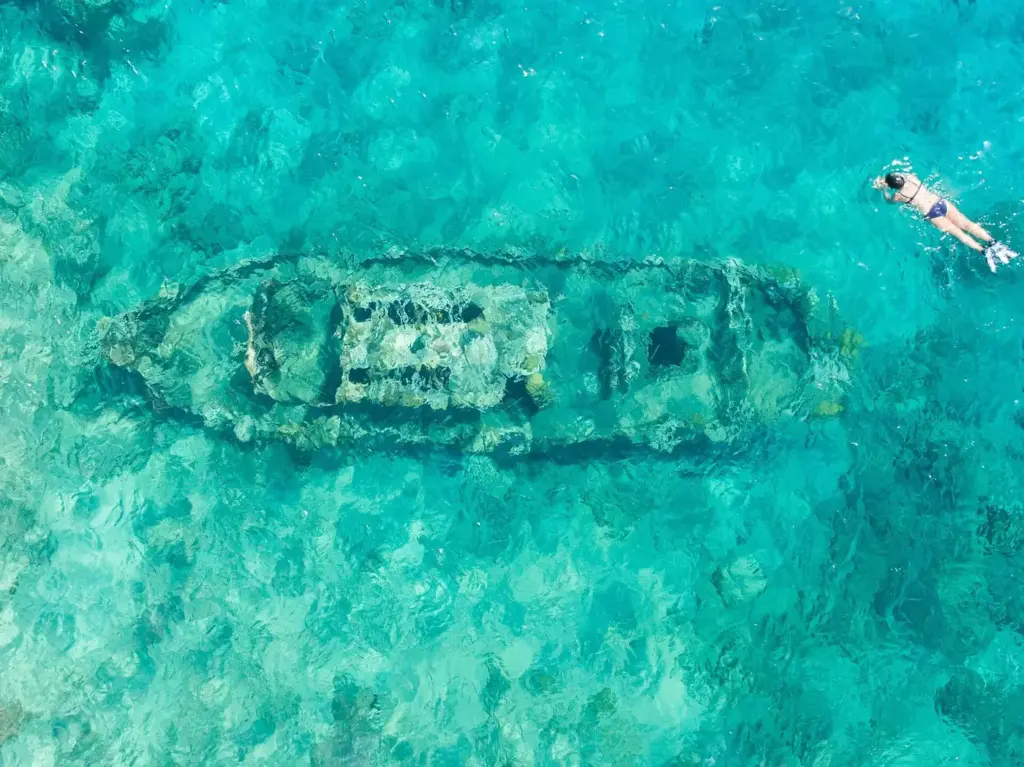
Scuba diving in Aruba is mostly about one wreck. The German freighter Antilla was scuttled by its crew in Malmok Bay on May 10, 1940, after Germany invaded the Netherlands; at 398 ft (121 m) it’s one of the Caribbean’s largest wrecks, lying on its port side in up to 60 ft (18 m). Storms keep breaking it up, and some divers now consider it unsafe to enter. Pelican Adventures charges $100.70 for a two-tank boat dive with your own gear or $135.68 with rentals. Aruba adds a $20 sustainability fee for air arrivals, paid with the online ED card.
The western Caribbean: the Caymans, Cozumel, Roatan and Belize
The Cayman Islands pioneered Caribbean dive tourism when Bob Soto opened the first dive shop in 1957, and today they have 365 moored dive sites and more than 40 operators. Grand Cayman adds the Kittiwake, a 251-ft submarine rescue ship sunk in 2011, and Little Cayman has Bloody Bay Wall, which starts at just 18 ft. The Cayman Islands get a full guide of their own.
Across the channel, Cozumel diving means drifting along walls and coral towers on a steady current; the marine park fee is 225 MXN a day, and ScubaTony, for example, charges $135 for two tanks with the fee and taxes included. Roatan, in Honduras, is the value play: CoCo View Resort’s seven-night diver package runs $1,664-$1,864 in the September-January value season, with three meals a day, two boat dives daily and unlimited shore diving. Neighboring Utila is the whale shark island. And Belize, with the Great Blue Hole and three offshore atolls, has a guide of its own.
The Bahamas and Turks and Caicos
The Bahamas is the Caribbean’s shark capital, and its sites follow the species: tiger sharks at Tiger Beach off Grand Bahama (Epic Diving runs it from October to June), great hammerheads at Bimini from November to April (Neal Watson’s charges $349 plus 10% VAT) and Caribbean reef sharks off Nassau, where Stuart Cove’s two-tank Shark Adventure costs $242.40. Long Island’s Dean’s Blue Hole, 663 ft (202 m) deep, is the world’s third-deepest blue hole, and the Exuma Cays Land and Sea Park has been a no-take zone since 1985.
Scuba diving in Turks and Caicos centers on Providenciales, where Dive Provo’s two-tank trips start at $179 and visit Grace Bay, Northwest Point, West Caicos and French Cay. Water drops to about 75°F (24°C) in late January and reaches about 86°F (30°C) in July and August. Humpbacks pass the islands from January to April, Grand Turk and Salt Cay sites are often minutes from shore, and two liveaboard companies, Aggressor Adventures and Explorer Ventures, run the islands.
No passport needed: Puerto Rico and the US Virgin Islands
Puerto Rico and the US Virgin Islands are US territories, so flights from the mainland are domestic. Scuba diving in Puerto Rico ranges from easy reefs off Fajardo, where Sea Ventures Pro Dive Center runs a three-day Open Water course for $670 including eLearning, to Mona Island, a remote reserve off the west coast that takes serious planning.
Scuba diving in St Thomas is easygoing reef diving from boats; Aqua Marine Dive Center lists two-tank trips from $160 and about 40 sites. Diving in St Croix is different: the island’s north shore drops into deep water close to land, which puts wall dives unusually close to shore, and Buck Island Reef National Monument protects the reef off the northeast coast. Water at St Croix averages about 80-81°F (27°C) in winter and 86-87°F (30°C) in September.
The British Virgin Islands and the northern Leewards: BVI, Saba, St Kitts, Antigua and Guadeloupe
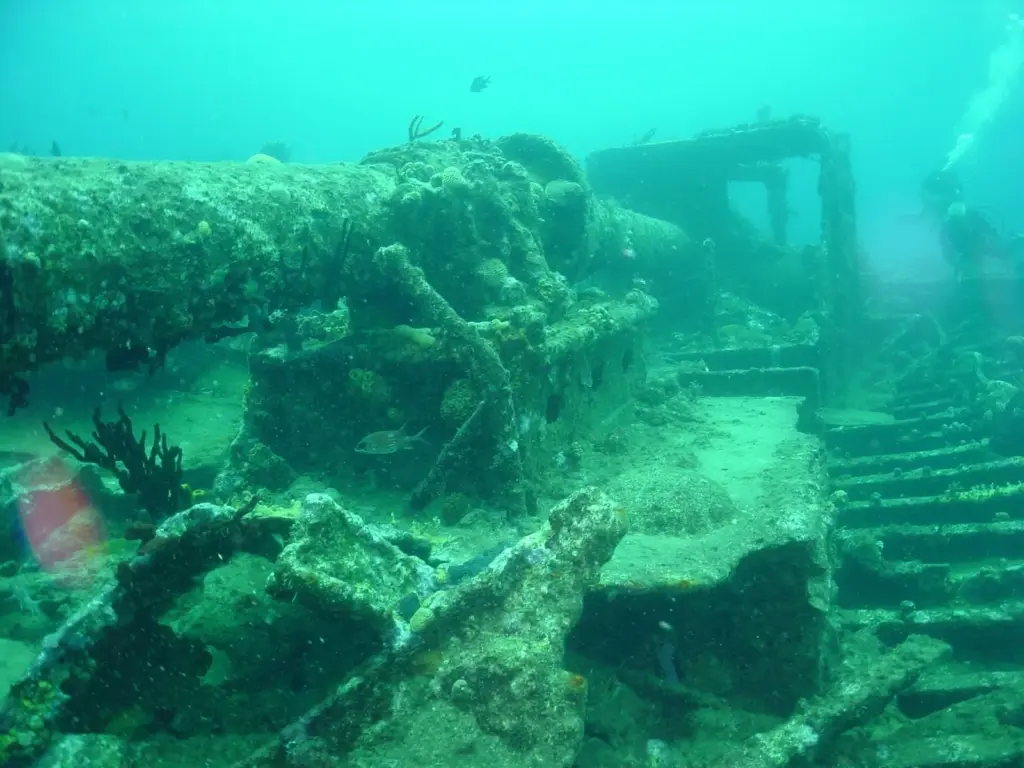
BVI diving means one great wreck: the RMS Rhone, a Royal Mail steamer that sank off Salt Island in a hurricane on October 29, 1867, killing 123 people. The bow lies in about 80 ft and the stern in about 30 ft, it became a national park in 1980, and it starred in the 1977 film The Deep. Many divers see it from a bareboat or crewed sailing charter, since the BVI are one of the world’s great sailing grounds.
Saba diving is the Caribbean’s best-kept secret among experienced divers. The Saba National Marine Park, set up in 1987, rings the island to 200 ft (60 m), uses moorings and zoning, and pays its way largely through visitor fees. Its famous pinnacles rise from about 100 ft (30 m), while Tent Reef starts at just 13 ft (4 m). There are no US flights: you fly or ferry from St Maarten, which has nonstops from Charlotte, Miami, Philadelphia, Atlanta and New York.
Further south, scuba diving in St Kitts and in Antigua is low-key reef and wreck diving with a handful of shops, better as a side dish to a beach trip than a dive destination on its own. Diving in Guadeloupe centers on the Cousteau Reserve off the west coast, run French-style, and it takes a connection to get there from the US.
The Windward Islands and Barbados: Dominica, St Lucia, St Vincent, Grenada
Diving in Dominica is volcanic and wild, with reefs on steep slopes close to shore and far fewer divers than the big islands. Fort Young Hotel’s seven-night package, with five days of two-tank dives and marine park fees, was on sale from $1,279. American Eagle flies from Miami and United from Newark. Diving in St Lucia happens under the Pitons, with Anse Chastanet the best-known dive resort (seven nights with six days of two-tank diving and all meals from $3,479).
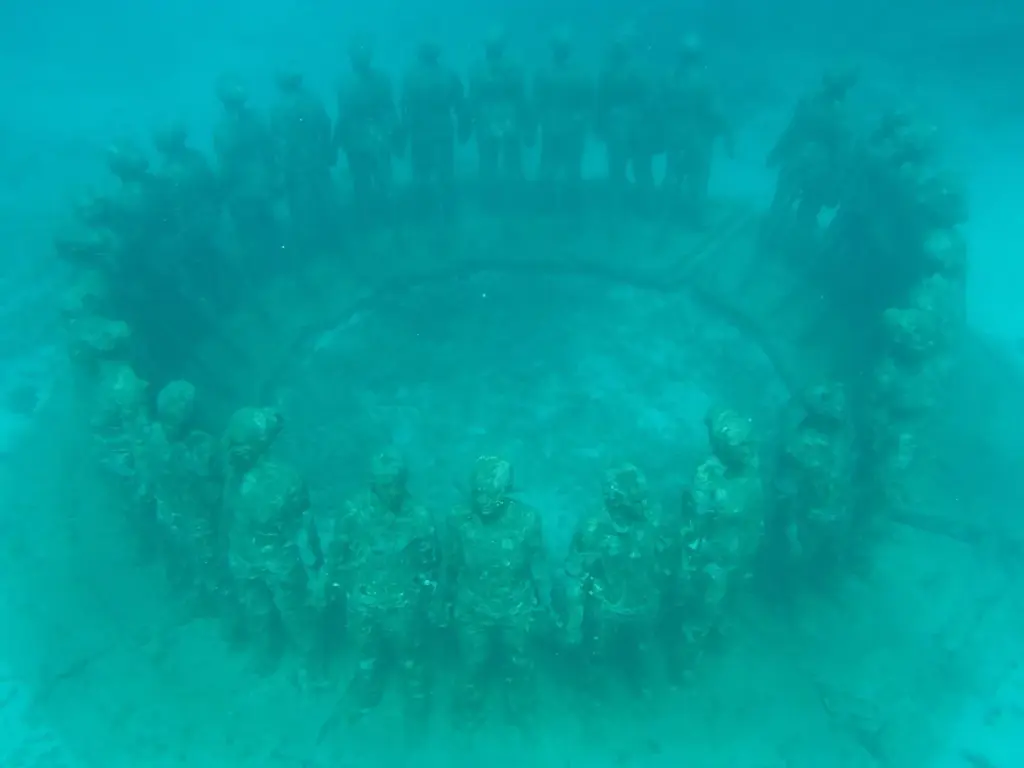
Scuba diving in St Vincent and the Grenadines is quieter still, known for critter diving on the main island and clear water in the Grenadines. Scuba diving in Grenada has the Caribbean’s biggest wreck: the liner Bianca C, about 600 ft long, which sank on October 24, 1961, after an engine-room explosion and lies in about 165 ft (50 m) of water a mile off the beach, with its upper parts around 100 ft (30 m). It’s a deep, advanced dive. Easier is the Molinere Bay Underwater Sculpture Park, created by Jason deCaires Taylor and opened in May 2006 as the world’s first underwater sculpture park. Diving in Barbados is mostly shallow wrecks and turtles on the west coast; United flies from Newark and Washington-Dulles, among others.
The Greater Antilles: Jamaica, the Dominican Republic and Cuba
Scuba diving in Jamaica is mostly resort diving along the north coast, and it’s where the all-inclusive dive model shines. Sandals lets certified divers dive every day except departure day at no extra charge, up to two tanks a day, with guided dives from 20 to 100 ft and equipment included; Beaches resorts work the same way for families.
Scuba diving in the Dominican Republic is decent resort diving, but the country’s headline in-water experience isn’t a dive. Each winter, 3,000 to 5,000 humpback whales gather on the Silver Bank, a sanctuary north of the island. Only three vessels hold permits, trips leave from Puerto Plata, and encounters are by snorkel, not scuba. Swimming with humpback whales in the Dominican Republic is one of the great wildlife experiences in the hemisphere, and with so few boats, spaces are limited, so book early.
Scuba diving in Cuba is the forbidden fruit. Jardines de la Reina, a national park since 2010 covering 2,170 km², is famous for silky and Caribbean reef sharks, crocodiles and goliath groupers. But the US Treasury’s Office of Foreign Assets Control says plainly that travel to Cuba for tourist activities isn’t permitted; travel is allowed only within 12 categories of activity, and prepaid tourist packages are prohibited. Don’t build a dive trip around a category you don’t genuinely meet.
How healthy are Caribbean reefs?
Mixed, and changing fast. Stony coral tissue loss disease, first reported in Florida in 2014, affects more than 30 coral species, especially brain, pillar and star corals, and AGRRA reports it has spread to 33 countries and territories in the wider Caribbean. Its cause is still unknown. On top of that, the fourth global coral bleaching event, which NOAA dates from January 2023, has put bleaching-level heat stress on most of the world’s reef area.
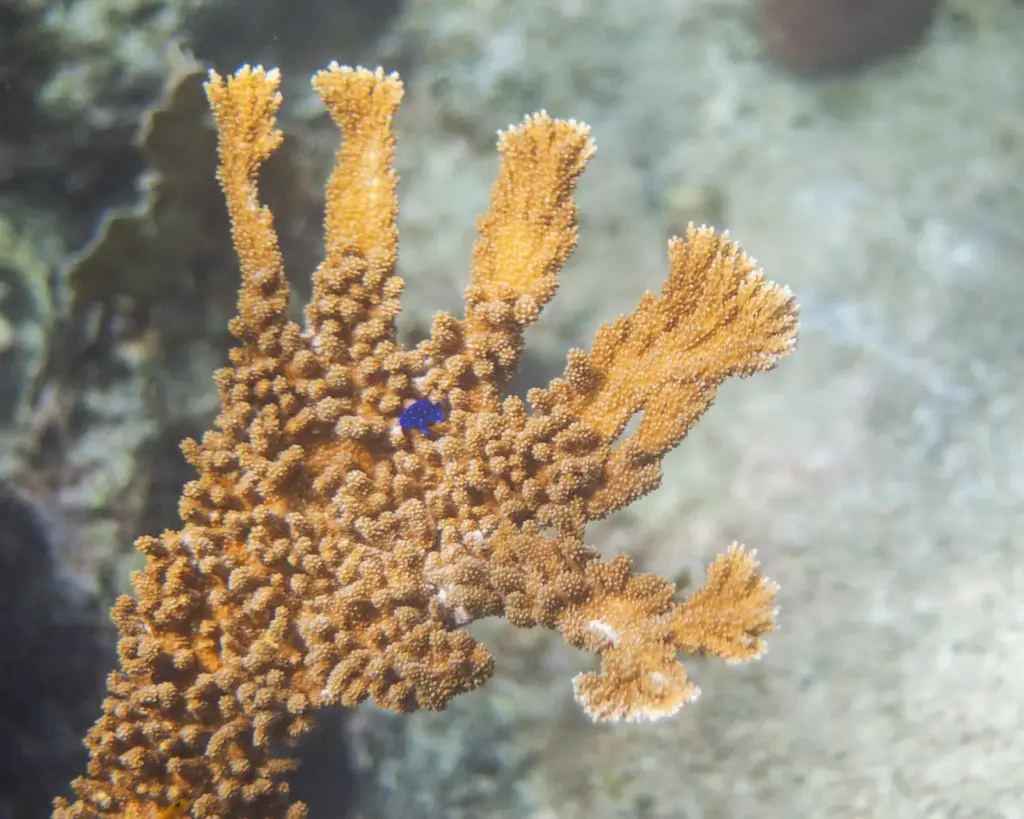
What you’ll see depends on the island and the site. Protected, well-managed marine parks such as Bonaire, Saba and the Caymans tend to show healthier reefs and bigger fish. Heavily visited cruise-port reefs often look tired. Walls and deep sites often hold up better than shallow reef flats. And some islands now ask divers to help: Bonaire’s gear-disinfection rule is a direct response to coral disease. Rinse and dry your gear between islands, don’t touch anything, and choose operators that use moorings.
Best time to dive the Caribbean, with water temperatures by month
You can dive the Caribbean year-round. The dry season, roughly December to May, brings the most settled weather and the highest prices. The Atlantic hurricane season runs June 1 to November 30 and, according to the National Hurricane Center, peaks on September 10, with most storms between mid-August and mid-October, so fall trips are cheaper but come with risk. If you must go in September or October, the ABC islands are the safer choice, and trip insurance is worth buying.
| Month | Water at St Thomas (NOAA average) | Season | What’s on |
|---|---|---|---|
| January | 80.2°F (26.8°C) | Dry, peak season | Humpbacks in Turks and Caicos and on the Silver Bank; Bimini hammerheads; Tiger Beach |
| February | 80.2°F (26.8°C) | Dry, peak season | Humpbacks; Utila’s whale shark season starts late in the month |
| March | 81.4°F (27.4°C) | Dry; spring break crowds | Humpbacks; Utila whale sharks |
| April | 81.9°F (27.7°C) | Dry; Easter crowds | Last of the humpbacks and hammerheads; Utila whale sharks |
| May | 84.0°F (28.9°C) | Shoulder season | Calm seas, lower prices |
| June | 85.4°F (29.7°C) | Hurricane season opens | Tiger Beach season ends |
| July | 86.0°F (30.0°C) | Summer | Warm and usually calm |
| August | 88.8°F (31.6°C) | Storm risk rising | Warmest months begin |
| September | 89.5°F (31.9°C) | Peak hurricane risk | Lowest prices; favor the ABC islands |
| October | 87.8°F (31.0°C) | Storm risk easing | Tiger Beach opens; Utila’s second whale shark peak begins |
| November | 84.9°F (29.4°C) | Hurricane season ends November 30 | Bimini hammerheads begin |
| December | 82.1°F (27.8°C) | Dry season; holiday high season | Book early |
Farther west it runs a little cooler in winter: Roatan’s water is about 77°F (25°C) from December to February and about 84°F (29°C) in September, and Belize averages about 79°F (26°C) in winter and 84°F (29°C) in summer. A 3 mm suit covers most of the year; add a hood or a 5 mm for Turks and Caicos, the Bahamas or Bimini’s hammerhead dives in winter.
Getting to the Caribbean: flights, passports and island fees
For international air travel, US citizens need a valid passport, or a Trusted Traveler card such as NEXUS, SENTRI or FAST where it’s accepted. The exceptions are Puerto Rico and the US Virgin Islands, which are domestic trips. On a closed-loop cruise that starts and ends at the same US port, you can re-enter the US with a birth certificate and government photo ID, but the islands you visit may still want a passport, so take one.
Most dive islands have nonstops from the big East Coast and Texas hubs. Miami, Charlotte, Atlanta, New York-JFK, Newark and Houston serve the widest range of islands. The awkward ones are Little Cayman (fly via Grand Cayman), Saba (via St Maarten), Utila (via Roatan or La Ceiba) and the Bahamas’ Out Islands (usually via Nassau). Cozumel has year-round nonstops from Dallas/Fort Worth, Houston and Miami; Bonaire from Miami, Atlanta, Newark and Houston.
Budget for island fees, which competitors rarely mention:
- Bonaire: $40 nature fee (valid for the calendar year) plus a $75 visitor entry tax.
- Aruba: $20 sustainability fee for air arrivals, paid with the online ED card, once every 365 days.
- Cozumel: marine park fee of 225 MXN (about $13) per person per day.
- Belize: $40 park fee for the Blue Hole and $10 for Turneffe, charged by the dive shop.
Caribbean dive resorts and packages
A dive package bundles a room, a set number of dives and sometimes meals and a vehicle. These are real package prices we found in September 2026, per person, double occupancy, without flights; most exclude local taxes.
| Resort and island | Nights | What’s included | From |
|---|---|---|---|
| All West Apartments and Go West Diving, Curaçao | 7 | 6 days of unlimited shore-diving air, pickup truck | $904 |
| Buddy Dive Resort, Bonaire | 7 | 6 days of unlimited shore diving, free nitrox, vehicle, breakfast (second diver dives free promotion) | $1,097 |
| Fort Young Hotel, Dominica | 7 | 5 days of two-tank dives, breakfast, marine park fees (flash sale) | $1,279 |
| Anthony’s Key Resort, Roatan | 7 | 12 boat dives, all meals (fall sale) | $1,427 |
| CoCo View Resort, Roatan | 7 | All meals, two boat dives a day, unlimited shore and night diving, transfers (value season, plus 19% tax) | $1,664 |
| Sunset House, Grand Cayman | 7 | 5 days of two-tank boat dives, unlimited shore diving, breakfast (low season) | $2,036 |
| Riding Rock Inn, San Salvador, Bahamas | 7 | 16 dives, 21 meals (2027 travel) | $2,184 |
| Bimini Big Game Club, Bahamas | 7 | 6 days of two-tank morning dives plus afternoon dives | $2,308 |
| Anse Chastanet, St Lucia | 7 | 6 days of two-tank dives, all meals | $3,479 |
Looking for all-inclusive dive resorts in the Caribbean? The closest thing to “everything included” is Sandals and Beaches, where certified divers dive daily at no extra charge, and a few dive resorts, such as CoCo View and Anthony’s Key on Roatan, that include all meals. Elsewhere, “all-inclusive” usually means the drinks, not the diving. Liveaboards are the other all-in option: Turks and Caicos has Aggressor and Explorer Ventures boats, and Epic Diving follows the sharks around the Bahamas by season.
What diving costs in the Caribbean: two-tank prices by island
| Island | Operator (checked September 2026) | Two-tank price | Notes |
|---|---|---|---|
| Aruba | Pelican Adventures | $100.70 (own gear); $135.68 with rentals | Discover Scuba $113.95 |
| Belize (Ambergris Caye) | Belize Pro Dive Center | 3-day local package $275 (about $92 a day), plus 12.5% tax | Blue Hole park fee $40 |
| Cozumel | ScubaTony | $135 ($125 each on a 5-trip package) | Park fee and taxes included; six divers maximum |
| Grand Cayman | Red Sail Sports | Kittiwake plus a reef dive from CI$130 (about $156) | Maximum depth 70 ft |
| St Thomas | Aqua Marine Dive Center | From $160 | Night dives from $160 |
| Turks and Caicos | Dive Provo | From $179 | Northwest Point, West Caicos, French Cay |
| Nassau, Bahamas | Stuart Cove’s | $242.40 (Shark Adventure) | Tanks, weights and hotel transfers included |
| Bimini, Bahamas | Neal Watson’s Bimini Scuba Center | $349 plus 10% VAT (hammerhead safari) | November-April; 5 mm suit, hood and gloves required |
The Cayman dollar is pegged at CI$1 = US$1.20, so Cayman prices quoted in CI$ are 20% higher in US dollars. Shore diving changes the math entirely: on Bonaire and Curaçao, packages bundle a room, a truck and unlimited air, so the more you dive, the less each dive costs.
Shore diving in the Caribbean: where you can skip the boat
Shore diving means renting tanks, driving to a marked site, walking in and diving on your own schedule with a buddy, no boat required. It’s cheaper per dive, it lets you dive at dawn or after dark, and on the right island it’s the fastest way to build bottom time. The Caribbean has the world’s best shore-diving island in Bonaire, where 54 of the island’s 85-plus sites are easy shore entries and the fringing reef usually begins within about 30 ft (10 m) of the beach. Packages bundle a room, a pickup truck for gear and unlimited air; Buddy Dive’s Drive & Dive package, for example, has a seven-night minimum when booked online.
Curaçao is the runner-up, with many shore entries and apartment-and-truck packages such as All West and Go West Diving. Grand Cayman has good shore diving on its west side, including Sunset House’s house reef, about a mile from George Town’s cruise tender landing. Cayman Brac adds 11 shore sites to its 50-plus boat sites, and on Roatan, CoCo View’s package includes unlimited beach and night diving. St Croix’s north shore puts walls within reach of shore divers too.
Shore diving isn’t for everyone. You navigate yourself, plan your own gas, handle surf and slippery ironshore entries, and there’s no crew watching from a boat. It suits divers with some experience and a reliable buddy, and it’s a good way to build that experience if you start on the easiest sites.
Diving from a Caribbean cruise
Many Americans first dive the Caribbean from a cruise ship. It works, with limits: port calls are short, you dive where the ship docks and you must be back aboard on time. Royal Caribbean runs the most developed program, with Discover Scuba, certified diver tours, a PADI ReActivate refresher for divers who’ve been out of the water for two to ten years, a $34 pool Try Dive on Harmony of the Seas and Symphony of the Seas, and the Open Water course from $599. Its listed diving ports include Perfect Day at CocoCay, Cozumel, Grand Cayman, Roatan and San Juan, and it requires a minimum age of 12, a medical questionnaire and proof of certification for certified tours.
Other lines sell dives as shore excursions. Carnival’s own blog describes a Grand Cayman Discover Scuba trip with Lobster Pot Dive Company: skills practice at about 10 ft in a cove, then about 30 minutes on a reef at 40 ft. If you book independently, choose an operator close to the pier, get the return time in writing and leave a generous margin before all-aboard. And take your passport even on a closed-loop cruise, since some islands want one.
The best place to get scuba certified in the Caribbean
| Where | Open Water price (checked 2026) | What’s included |
|---|---|---|
| Utila, Honduras | About $300-$360 | Usually 4-5 nights of basic lodging, all gear and two fun dives (as reported in late 2024) |
| Grand Cayman (Sunset House) | $450 | Two full days, gear rental; eLearning paid to PADI separately |
| Roatan (Roatan Divers) | $530 | eLearning, full gear with computer, 19% tax |
| Cozumel (ScubaTony) | $560 (SSI) or $650 (PADI) | eLearning; referral dives $400 |
| Royal Caribbean cruise | From $599 | Pool sessions, four open water dives, rental gear; book before the cruise; minimum age 12 |
| Puerto Rico (Sea Ventures, Fajardo) | $670 | Three days, eLearning, gear and card |
Utila is the cheapest place in the Caribbean to learn, by a wide margin, and a dozen or so schools compete for students. For calm, easy conditions, Bonaire and Grand Cayman are hard to beat. If you’re taking a cruise, Royal Caribbean runs its own PADI program: the Open Water course starts at $599 and must be booked before you sail, with ports such as Cozumel, Grand Cayman, Roatan and San Juan. Whatever you choose, doing the eLearning at home saves vacation time.
Safety: storms, currents and chambers
Hurricanes are the region’s biggest planning risk. If you travel between June and November, buy trip insurance that covers named storms, and favor the ABC islands in September and October. Underwater, the main hazards are currents (Cozumel’s drifts are real, and so are the ones on some Bahamas and Turks and Caicos walls) and boat traffic near busy beaches. Dive within your training, carry a surface marker buoy, and listen to the briefing.
Most major dive islands have a recompression chamber. Cozumel’s Costamed chamber treats decompression illness and lists itself as a DAN Preferred Provider; Roatan’s Anthony’s Key Resort has an on-site chamber in DAN’s international network; Ambergris Caye in Belize has two; and Bonaire has its own. Smaller islands may mean an air ambulance, which is why dive accident insurance matters more in the Caribbean than at home.
For non-divers in your group
The Caribbean is the easiest dive region in the world for mixed groups. Snorkelers do well almost everywhere, especially on Bonaire’s shallow shore reefs, at Grand Cayman’s Stingray City sandbar (about 3 ft deep) and at Buck Island off St Croix. Non-divers can swim with humpbacks on the Silver Bank from a boat, and islands such as St Lucia, Dominica and Grenada add rainforest hikes, waterfalls and hot springs. Aruba and Grand Cayman have the long beaches; Curaçao has the colorful capital.
Caribbean dive trip ideas
- ABC shore-diving week: five days on Bonaire with a truck and unlimited air, then a short hop to Curaçao, which Divi Divi Air and Corendon connect.
- Cayman three-island trip: Grand Cayman for the Kittiwake and Stingray City, then Cayman Airways to Little Cayman for Bloody Bay Wall.
- Bahamas shark week: Nassau’s reef sharks, then Bimini for hammerheads between November and April, or a liveaboard to Tiger Beach.
- No-passport Caribbean: St Thomas for easy reefs and St Croix for walls, both domestic flights from the mainland.
- Volcanic Caribbean: St Maarten to Saba by ferry or plane for the pinnacles.
- Humpback winter: a week on the Silver Bank from Puerto Plata, or a Turks and Caicos trip between January and April.
Frequently asked questions
Where is the best diving in the Caribbean?
Bonaire is the best all-round island, thanks to unlimited shore diving in a protected marine park. Little Cayman has the best wall (Bloody Bay), the Bahamas the best shark diving, Cozumel the best drift diving, and Saba the most dramatic volcanic pinnacles. For wrecks, look at Grand Cayman’s Kittiwake, Aruba’s Antilla, the BVI’s RMS Rhone and Grenada’s Bianca C.
What is the best Caribbean island for beginner divers?
Bonaire and Grand Cayman. Both have calm, clear water, easy shore entries and plenty of instructors. Curaçao is a good budget alternative, and Utila is the cheapest place to get certified. Avoid starting with Cozumel’s strong drifts or deep wrecks such as Grenada’s Bianca C; get some experience first.
When is the best time to scuba dive in the Caribbean?
December to May, the dry season, has the most settled weather. Hurricane season runs June 1 to November 30 and peaks in September, when prices drop but storms are a real risk; Aruba, Bonaire and Curaçao lie south of the main hurricane belt. Water ranges from about 80°F in winter to 89°F in September at St Thomas.
Do I need a passport to dive in the Caribbean?
Yes, for every island except Puerto Rico and the US Virgin Islands, which are US territories. Several islands also charge entry or park fees: Bonaire’s $40 nature fee and $75 entry tax, Aruba’s $20 sustainability fee and Cozumel’s 225 MXN daily marine park fee (checked September 2026).
Can you get scuba certified on Royal Caribbean?
Yes. Royal Caribbean’s PADI Open Water course starts at $599 and must be booked before the cruise; it includes pool sessions, four open water dives and rental gear, with an average class of six. The minimum age is 12, and a medical questionnaire is required. It also offers Discover Scuba, certified diver tours and a ReActivate refresher.
How much does scuba diving cost in the Caribbean?
Two-tank boat dives run from about $100 in Aruba (with your own gear) to $179 in Turks and Caicos, with Cozumel at $135 including park fees. Specialty shark dives in the Bahamas cost $242 to $349. Seven-night dive packages start around $900 in Curaçao and run past $3,400 at St Lucia’s Anse Chastanet (September 2026).
Can Americans go scuba diving in Cuba?
Not as tourists. The US Treasury’s Office of Foreign Assets Control says travel to Cuba for tourist activities isn’t permitted: travel is allowed only within 12 categories of activity, and prepaid tourist packages are prohibited. Cuba’s Jardines de la Reina is a famous shark dive, but US divers should check OFAC’s rules carefully before considering it.
Sources and verification
Everything on this page was checked on September 23-24, 2026 against the organizations listed below. The page is compiled from their published information and doesn’t claim first-hand visits.
- US Department of State: travel advisory data and travel advisories
- US Treasury OFAC: Cuba sanctions FAQs
- NOAA NCEI coastal water temperature guide and National Hurricane Center climatology
- AGRRA: stony coral tissue loss disease
- Park and tourism authorities: STINAPA and Tourism Corporation Bonaire, Saba Conservation Foundation, Cayman Islands Department of Tourism, Bahamas Ministry of Tourism, Aruba’s ED card
- Operators: Pelican Adventures (Aruba), Aqua Marine Dive Center (St Thomas), Dive Provo (Turks and Caicos), Red Sail Sports (Grand Cayman), ScubaTony (Cozumel), Belize Pro Dive Center, Stuart Cove’s (Nassau), Neal Watson’s Bimini Scuba Center, Epic Diving, Sea Ventures Pro Dive Center (Puerto Rico), Roatan Divers, Sunset House, CoCo View Resort, Sandals and Beaches, Royal Caribbean
- Package prices: Caradonna Dive Adventures specials page (September 2026)
Also checked: Wikipedia’s airport pages for US nonstop routes, and its entries on the Antilla, the RMS Rhone, the Bianca C, the Silver Bank and Jardines de la Reina.
Scuba Tourism Guide is an independent publication. It is not affiliated with any agency, park or dive operator named here, and no one paid to be included.
Photo credits
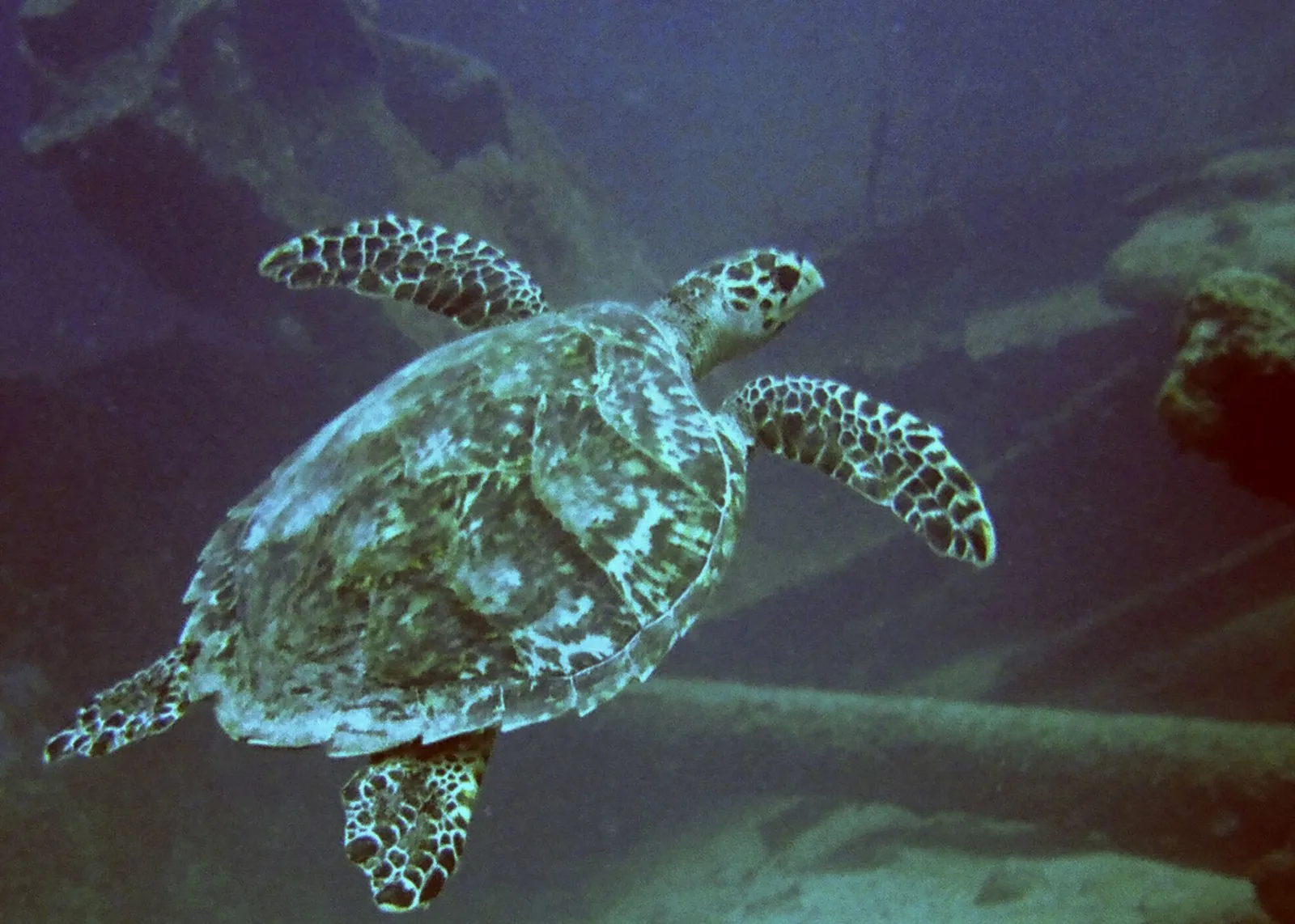
- Hawksbill turtle at the Antilla wreck, Aruba (featured image): photo by Serge Melki from Indianapolis, USA, Wikimedia Commons (CC BY 2.0)
- Tugboat Beach wreck from the air, Curaçao (2017): photo by dronepicr, Wikimedia Commons (CC BY 2.0)
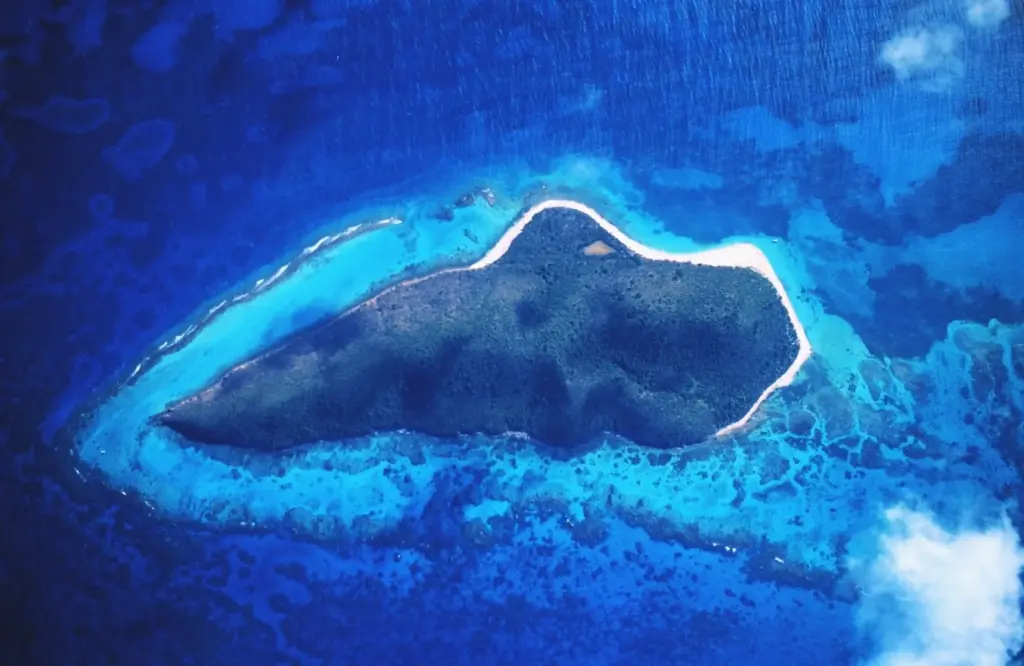
- Buck Island Reef National Monument from the air, St Croix: photo by Unknown photographer, Wikimedia Commons (public domain)
- RMS Rhone wreck, Salt Island, BVI (2003): photo by Gareth Richards, Wikimedia Commons (CC BY-SA 3.0)
- Molinere Bay Underwater Sculpture Park, Grenada (2015): photo by Boris Kasimov, Wikimedia Commons (CC BY 2.0)
- Elkhorn coral with a damselfish, Curaçao (2011): photo by Matthew T Rader, Wikimedia Commons (CC BY-SA 4.0)
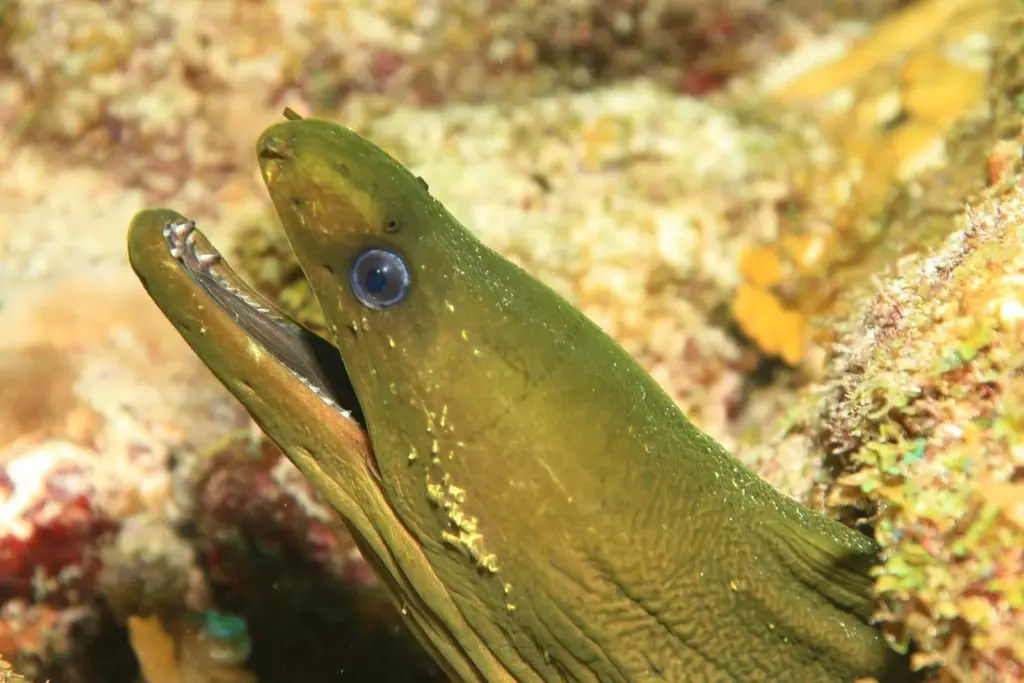
- Green moray, Sponge Forest reef, Curaçao (2010): photo by LASZLO ILYES from Cleveland, Ohio, USA, Wikimedia Commons (CC BY 2.0)


