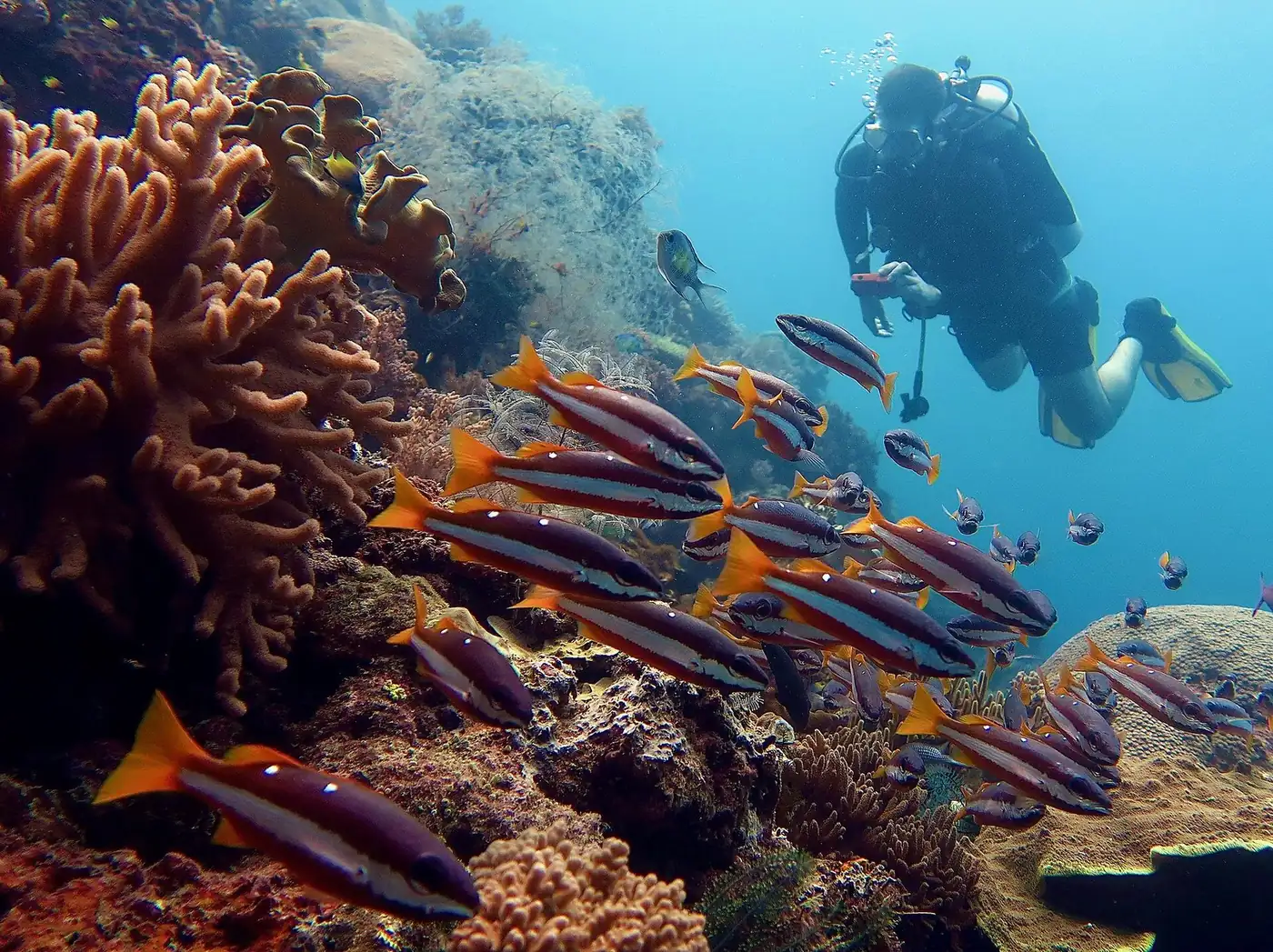
Most world rankings of dive destinations read as if every diver lives the same distance from Indonesia. They put Raja Ampat and the Galapagos on top, which is fair on diving alone, but from Houston or Atlanta those trips can take two days of travel each way, while Cozumel and Bonaire are a morning’s flight. The best places to scuba dive for an American depend on both things: how good the diving is, and what it takes to get there, pay for it and dive it safely. This ranking scores 30 destinations on exactly that.
Short answer: For US divers, the best places to scuba dive are Palau, the Bahamas, the Philippines, Raja Ampat and Egypt’s Red Sea, followed by Bonaire, Fiji and Cozumel. For pure diving, Raja Ampat, Palau and the Galapagos lead. For diving per dollar and per hour of flying, Bonaire, Cozumel and the Cayman Islands are hard to beat.
Prices, seasons, flights and advisories on this page were checked between September 23 and October 1, 2026 against the agencies’, parks’ and operators’ own websites. No resort, operator or tourism board paid to appear.
On this page: How we ranked · The 30 ranked · 1-10 · 11-20 · 21-30 · Near misses · What a week costs · Where to dive by month · Best places by theme · How to plan · Safety and reef health · FAQ · Sources
| If you want | Go to |
|---|---|
| The best all-round trip for a US diver | Palau |
| Top-tier shark diving within an hour of Florida | The Bahamas |
| The most diving per dollar | The Philippines; Roatan or Bonaire closer to home |
| The richest reefs on earth | Raja Ampat, Indonesia |
| Hammerheads and whale sharks | Galapagos, Cocos Island, Socorro (advanced divers) |
| Shore diving on your own schedule | Bonaire, Curaçao |
| Wrecks | Truk Lagoon, the Red Sea, the Florida Keys |
| Great diving without a passport | Kona (Hawaii), the Florida Keys, Catalina |
| A first trip after certification | Bonaire, Grand Cayman, Roatan, Cozumel |
How we ranked the best places to scuba dive
Every destination gets five scores from 1 to 5. The first is the diving itself: reef and wreck quality, the range of marine life, the odds of big animals, typical visibility and the current health of the reef. That score carries 70% of the weight, because it’s the reason you’re going.
The other four scores are the factors that decide whether a trip works for someone leaving from a US airport, and together they carry the remaining 30%:
- Access: 5 means nonstop flights from several US cities and diving the day you land; 1 means several flights plus a sea crossing of a day or more.
- Cost: 5 means shore diving or two-tank boat days for about $100, with modest lodging; 1 means liveaboard-only trips that run several thousand dollars a week.
- Season: 5 means good diving all year; lower scores mean a short window or a long rough season.
- Skill range: 5 means a newly certified diver can enjoy most of it; 1 means trips require an Advanced card and 30 to 100 logged dives.
The final score is out of 100. A destination with perfect diving and hard access, like the Galapagos, can finish behind one with very good diving and easy access, like Bonaire. That’s deliberate: a ranking for American divers should reflect what an American trip involves. If you only care about the diving, read the dive column in the table below and ignore the rest.
Here’s the arithmetic for the top spot. Palau’s diving scores 5 out of 5, worth the full 70 points. Its four US-diver factors (access 2, cost 2.5, season 4, skill range 3) average 2.9 out of 5, worth 17.2 of the remaining 30 points, for a total of 87.2. Bonaire, by contrast, gives up 14 points on diving (4 out of 5) but earns 28.5 of 30 on the practical factors, which is how an island you can reach on one flight lands sixth.
We scored from published facts, not personal visits: operator price lists, park and permit rules, airline schedules, State Department advisories and coral reef monitoring. Advisories don’t change the score, but every entry gives the current State Department level, and one of them, Honduras, sits at Level 3. Read the advisory before you book anywhere.
The 30 best places to scuba dive, ranked
| # | Destination | Best for | Best months | Level | Dive (of 5) | US factors (of 5) | Score |
|---|---|---|---|---|---|---|---|
| 1 | Palau | Sharks, drift dives, mantas | Oct-May | Intermediate+ | 5 | 2.9 | 87.2 |
| 2 | Bahamas | Tiger sharks, hammerheads, blue water | Oct-Jun | All levels | 4.5 | 4.0 | 87.0 |
| 3 | Philippines | Macro, threshers, value | Year-round | All levels | 4.5 | 4.0 | 87.0 |
| 4 | Raja Ampat, Indonesia | Reef biodiversity | Oct-Apr | Intermediate+ | 5 | 2.6 | 85.8 |
| 5 | Red Sea, Egypt | Wrecks, reefs, liveaboards | Mar-May, Sep-Nov | All levels | 4.5 | 3.8 | 85.5 |
| 6 | Bonaire | Shore diving | Year-round | All levels | 4 | 4.8 | 84.5 |
| 7 | Fiji | Soft corals, bull sharks | Apr-Oct | All levels | 4.5 | 3.5 | 84.0 |
| 8 | Cozumel, Mexico | Drift diving on walls | Year-round | Beginner+ | 4 | 4.6 | 83.8 |
| 9 | Maldives | Mantas, whale sharks, channels | Year-round | All levels | 4.5 | 3.4 | 83.2 |
| 10 | Galapagos, Ecuador | Hammerheads, whale sharks | Jun-Nov | Advanced | 5 | 2.1 | 82.8 |
| 11 | Socorro, Mexico | Giant mantas | Nov-Jul | Advanced | 5 | 2.1 | 82.8 |
| 12 | Belize | Atolls, barrier reef | Dec-May | All levels | 4 | 4.4 | 82.2 |
| 13 | Cayman Islands | Walls, wrecks | Year-round | All levels | 4 | 4.4 | 82.2 |
| 14 | Komodo, Indonesia | Currents, mantas | Apr-Oct | Advanced | 4.5 | 3.1 | 81.8 |
| 15 | Sipadan, Malaysia | Turtles, schooling fish | Permit-limited | Intermediate+ | 4.5 | 3.1 | 81.8 |
| 16 | French Polynesia | Shark-filled passes | Year-round | Intermediate+ | 4.5 | 3.0 | 81.0 |
| 17 | Cenotes, Mexico | Caverns and light beams | Year-round | Open Water+ | 4 | 4.1 | 80.8 |
| 18 | Kona, Hawaii | Manta night dive | Year-round | All levels | 4 | 4.1 | 80.8 |
| 19 | Cocos Island, Costa Rica | Hammerhead schools | Jun-Nov | Advanced | 5 | 1.8 | 80.5 |
| 20 | Turks and Caicos | Walls, humpbacks | Year-round | All levels | 4 | 4.0 | 80.0 |
| 21 | Truk Lagoon, Micronesia | WWII wrecks | Nov-Apr | Advanced | 4.5 | 2.8 | 79.5 |
| 22 | Bali and Nusa Penida | Mola, mantas | Jul-Oct | Intermediate+ | 4 | 3.8 | 78.5 |
| 23 | Roatan, Honduras | Value reef diving | Year-round | All levels | 3.5 | 4.9 | 78.2 |
| 24 | Great Barrier Reef, Australia | Scale, liveaboards | Year-round | All levels | 4 | 3.6 | 77.8 |
| 25 | La Paz and the Sea of Cortez | Sea lions, whale sharks | Sep-Nov | All levels | 4 | 3.6 | 77.8 |
| 26 | Curaçao | Shore diving | Year-round | All levels | 3.5 | 4.8 | 77.5 |
| 27 | Florida Keys | Wrecks, easy reefs | Year-round | All levels | 3.5 | 4.6 | 76.8 |
| 28 | California kelp forests | Kelp, sea lions | Sep-Oct | Intermediate+ | 3.5 | 3.9 | 72.2 |
| 29 | Thailand | Budget diving, courses | Nov-May | All levels | 3.5 | 3.8 | 71.5 |
| 30 | North Carolina | U-boats, sand tiger sharks | Summer-fall | Advanced | 3.5 | 3.6 | 70.8 |
1-10: the best diving in the world for US divers
1. Palau: reef hooks, gray reef sharks and the Rock Islands
Score 87.2 (diving 5; access 2, cost 2.5, season 4, skill range 3). Best months: October to May. Level: comfortable in current. Getting there: United via Honolulu and Guam. Typical cost: liveaboard weeks from $3,960.
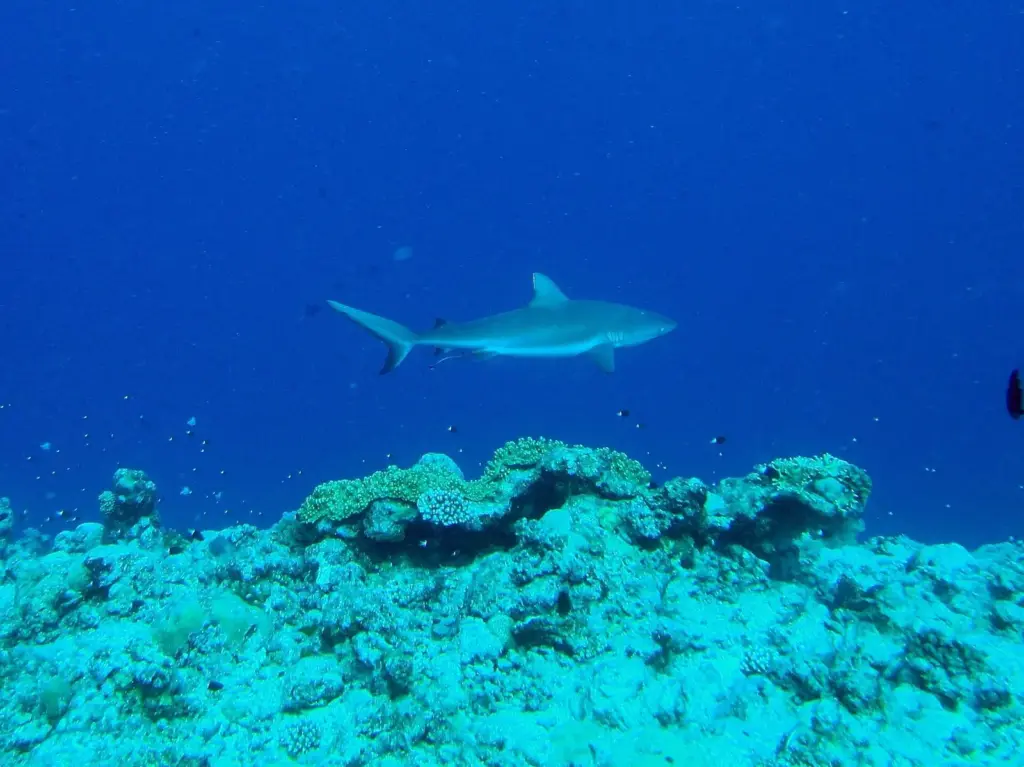
Palau tops the list because it does the big things well, in one place, with a reasonable range of skill levels. Blue Corner is the reef-hook dive other drift dives get measured against: you clip a hook into dead reef at the plateau edge, typically at 50 to 60 feet (15 to 18 m), and watch gray reef sharks work the current in front of you. PADI lists the sharks there from October to May. German Channel is the manta site, and the Rock Islands make surface intervals a sightseeing trip of their own. Visibility runs 50 to 150 feet (15 to 45 m) or more.
The dry season from October to May is the time to go; June to September brings more wind and rain. What holds Palau back for Americans is the journey. Palau’s official tourism site routes US travelers through Honolulu and Guam on United, so plan a long travel day each way and at least a week on the ground. Explorer Ventures’ Palau liveaboard starts at $3,960 (checked September 2026). Palau sits at Level 1 on the State Department’s advisory scale, and its 2018 law restricting “reef-toxic” sunscreens was reported to cover what visitors bring in, so pack a mineral one. Skip Palau if currents make you anxious; most of its best diving moves.
2. The Bahamas: the best shark diving close to home
Score 87.0 (diving 4.5; access 5, cost 2.5, season 4.5, skill range 4). Best months: October to June, by species. Level: Open Water for most shark dives. Getting there: nonstops to Nassau from more than a dozen US cities, and to Bimini and Freeport from South Florida. Typical cost: $242.40 for a two-tank shark dive in Nassau.
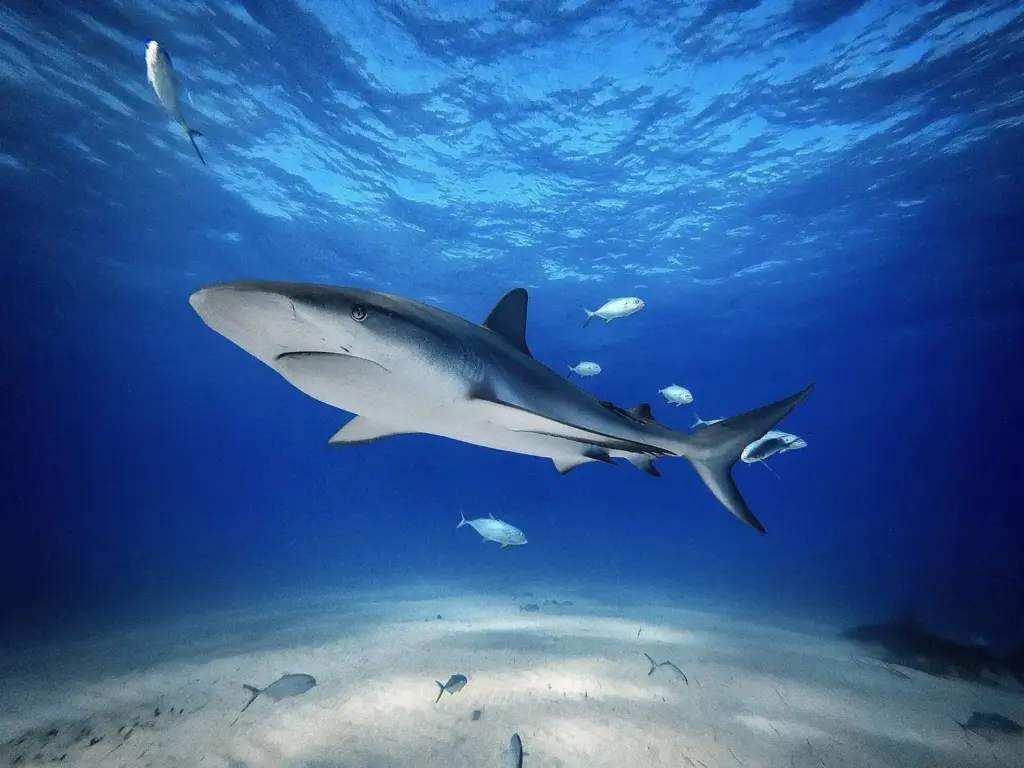
No country within an hour’s flight of Florida offers this much shark diving. Tiger Beach, off Grand Bahama’s West End, is where tiger sharks, Caribbean reef sharks, lemon sharks and the odd great hammerhead circle divers on shallow sand; Epic Diving runs it October to June and says six species on one dive isn’t unusual. Bimini’s great hammerheads arrive November to April, and Neal Watson’s Bimini Scuba Center charges $349 plus 10% VAT for its hammerhead day, with a full 5 mm wetsuit, hood and gloves required. Cat Island adds oceanic whitetips from March to June. Our shark diving guide compares these encounters with Fiji, South Africa and Florida’s own.
The reef and wall diving is strong too: the tourism board quotes visibility of 150 to 200 feet in places, and the Exuma Cays Land and Sea Park has been protected since 1958. Shark dives are the expensive part. Stuart Cove’s two-tank Shark Adventure in Nassau costs $242.40 with tanks, weights and hotel transfers, but gear, wetsuit and tips are extra (checked September 2026). The Bahamas sits at Level 2. Skip it if you want macro life or a cheap week; it does neither especially well.
3. The Philippines: macro, threshers and the best value anywhere
Score 87.0 (diving 4.5; access 2.5, cost 5, season 4, skill range 4.5). Best months: year-round; Tubbataha mid-March to mid-June. Level: all levels. Getting there: Philippine Airlines nonstops to Manila from Los Angeles, San Francisco, New York-JFK, Seattle, Chicago and Honolulu, then domestic flights. Typical cost: about $1,300 for six nights with ten boat dives.
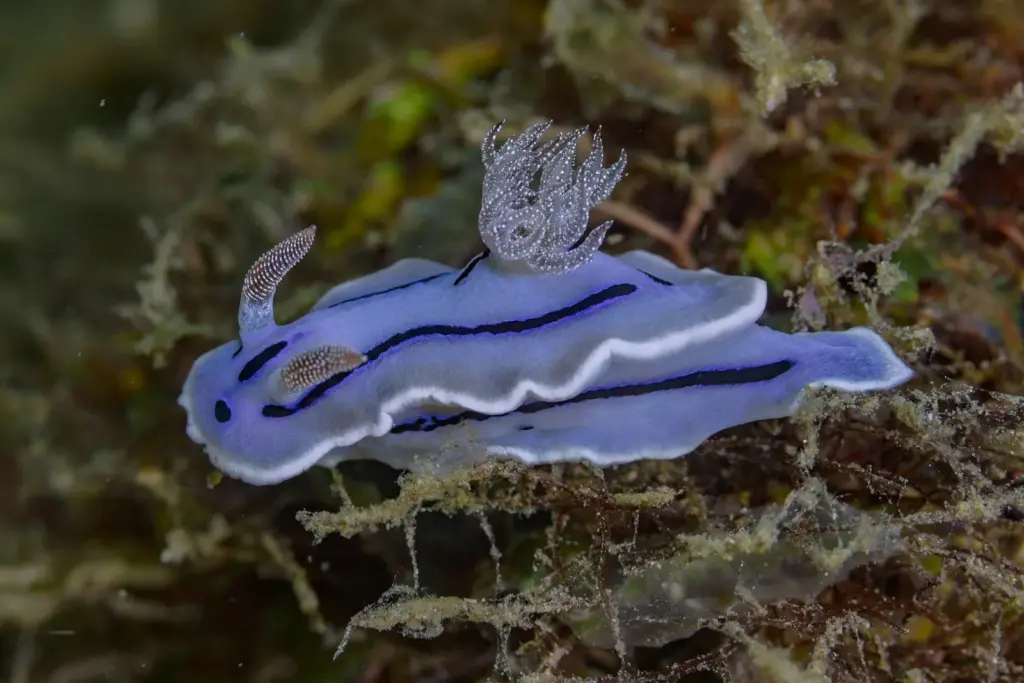
The Philippines gives you more diving per dollar than anywhere else on this list. A package at Azure Dive Resort in Dauin, with six nights, ten boat dives, an Apo Island trip and full board, starts at about $1,300 (checked September 2026). Anilao, south of Manila, and Dauin, on Negros, are among the best-known “muck diving” areas: black-sand slopes where photographers hunt frogfish, octopus and nudibranchs. Malapascua’s Monad Shoal is one of the few places where thresher sharks show up on recreational dives.
Then there’s Tubbataha, a UNESCO World Heritage reef in the middle of the Sulu Sea since 1993. It’s dived only from liveaboards, only from about mid-March to mid-June, and the park’s conservation fee is P5,000 (about $80 at October 2026 rates) before a permit is issued. Liveaboards there typically cost $2,800 to $5,500 a week. Register on the free eTravel system before you fly. Skip the Philippines if you need a nonstop to the resort; every dive area involves a domestic flight or a long transfer from Manila.
4. Raja Ampat, Indonesia: the richest reefs on earth
Score 85.8 (diving 5; access 1, cost 2, season 4, skill range 3.5). Best months: October to April. Level: intermediate and up. Getting there: an Asian hub, then Jakarta or Denpasar to Sorong. Typical cost: $3,200 to $7,500 for a 7 to 10-night liveaboard.
If the only question were which reef has the most life on it, the answer would usually be Raja Ampat, widely described as the most species-rich reef region yet surveyed. Fish schools hang over almost every site, and the islands themselves are as striking topside as below. The calm season runs October to April, with visibility often 65 to 100 feet (20 to 30 m) and water around 82 to 86°F (28 to 30°C). Manta encounters peak from December to February; May to September is wetter and windier.
It ranks fourth, not first, because getting there is a project. Sorong’s airport is served from Jakarta, Denpasar, Makassar and Manado, so a US diver needs at least three flights and should budget two days each way. Most visitors dive from liveaboards at $3,200 to $7,500 per person for 7 to 10 nights, plus crew tips and park permits; confirm current permit costs with your operator, because a new visitor ticket was reportedly added in 2026. Skip it if you have under ten days or are newly certified and uneasy in current.
5. The Red Sea, Egypt: wrecks, reefs and liveaboard value
Score 85.5 (diving 4.5; access 2, cost 4, season 4.5, skill range 4.5). Best months: March to May and September to November. Level: all levels. Getting there: EgyptAir nonstops to Cairo from New York-JFK, Newark, Washington-Dulles, Chicago and Los Angeles, then a domestic flight. Typical cost: liveaboard weeks from $1,155.
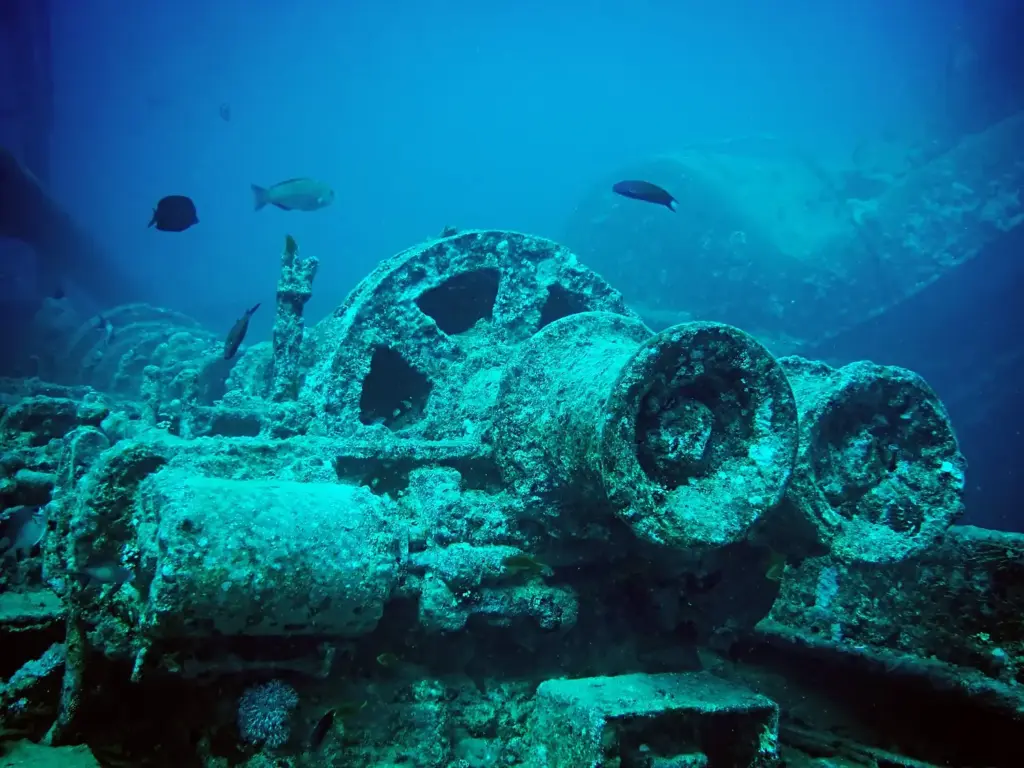
The Red Sea is one of the best-value liveaboard destinations anywhere. Master Liveaboards lists Egyptian trips from $1,155, and the routes out to the Brothers, Daedalus and Elphinstone from $1,610 (checked September 2026). The SS Thistlegorm alone justifies a trip: a 415-foot British cargo ship sunk by German bombers in October 1941, with trucks, motorcycles and railway parts still in its holds, at a maximum depth of about 100 feet (30 m). The offshore reefs bring oceanic whitetip sharks from October to December, though Elphinstone is an advanced dive.
Water runs about 70 to 75°F (21 to 24°C) in winter and 79 to 84°F (26 to 29°C) in summer; spring and fall balance warmth, conditions and crowds. Egypt is at Level 2 on the State Department’s advisory, with do-not-travel warnings for North and Middle Sinai and the Western Desert. The main dive resorts lie outside those zones, but read the current advisory before booking. Flying EgyptAir nonstop to Cairo also avoids the Gulf hubs that have sat under Level 3 advisories since February 2026. Skip it in high summer if heat bothers you.
6. Bonaire: the shore-diving capital
Score 84.5 (diving 4; access 4, cost 5, season 5, skill range 5). Best months: year-round. Level: all levels. Getting there: nonstops from Miami (American), Atlanta (Delta), and Newark and Houston (United). Typical cost: $42 a day for unlimited shore diving.
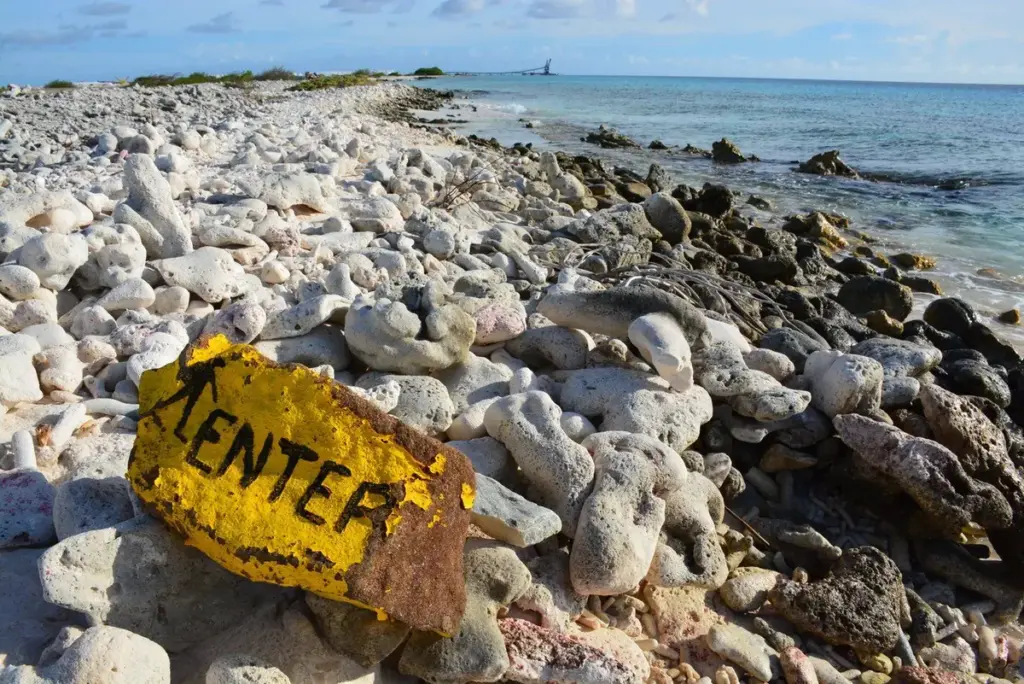
Bonaire is the easiest high-quality diving in the Caribbean. The island has more than 85 dive sites, 54 of them easy to reach from shore, marked with names painted on yellow stones; you rent a pickup, load tanks, and dive whenever you like, day or night. Visibility usually exceeds 100 feet (30 m), the water averages about 80°F (27°C), and the whole coast has been a marine park since 1979. Dive Friends Bonaire charges $42 a day for unlimited shore diving, or $234 for six days (checked September 2026). There’s a recompression chamber on the island, and Bonaire sits at Level 1.
Budget for two mandatory charges: the $40 STINAPA nature fee, valid for the calendar year, and the $75 visitor entry tax paid online before arrival. Since stony coral tissue loss disease reached Bonaire in 2023, the park also asks divers to disinfect gear before the first dive and after the last. The reef diving is very good rather than spectacular, which is why Bonaire ranks sixth rather than higher. Skip it if you want big pelagics.
7. Fiji: soft corals and the Beqa shark dive
Score 84.0 (diving 4.5; access 3, cost 3, season 4, skill range 4). Best months: April to October. Level: all levels. Getting there: Fiji Airways nonstop from San Francisco to Nadi. Typical cost: about $2,900 for a week with 11 or 12 boat dives and meals.
Fiji’s reputation rests on soft corals, and Taveuni, where Sau Bay’s packages include a Manta Passage day, is the classic place to see them. Beqa Lagoon adds one of the most organized shark dives anywhere: Beqa Adventure Divers’ Fiji Shark Dive shows up to eight shark species, starting at 100 feet (30 m) with bull sharks, then moving shallower for gray reef, lemon, whitetip and blacktip reef sharks. PADI lists the bull shark season as July to September.
The main dive season runs April to October, with the best visibility from July to September, when water can cool to about 72°F (22°C); the wet season from November to March brings warmer water in the low 80s°F. Week-long packages listed by Caradonna start at $2,882 at Volivoli Beach Resort (12 boat dives, full board) and $2,950 at Sau Bay Resort on Taveuni (11 dives including a Manta Passage day), checked September 2026. Fiji sits at Level 1. Skip it if you want to dive the day you land; the San Francisco nonstop is an overnight flight.
8. Cozumel, Mexico: the best drift diving near the US
Score 83.8 (diving 4; access 5, cost 4.5, season 5, skill range 4). Best months: year-round; eagle rays November to March. Level: new divers on shallow sites, more experience for the deep walls. Getting there: year-round nonstops from Dallas/Fort Worth, Houston and Miami, with seasonal routes from Atlanta, Charlotte, Chicago, Denver and Minneapolis. Typical cost: about $102 a day for two-tank boat dives on a five-day package.
Cozumel offers the easiest first-rate drift diving for Americans: you roll off a boat, let the current carry you along a wall or reef, and the boat picks you up at the end. Water stays at 78 to 85°F (26 to 29°C) all year and horizontal visibility often reaches 100 to 130 feet. Eagle rays and bull sharks are most likely from November to March, and the splendid toadfish lives nowhere else. Sand Dollar Sports charges $510 for five days of two-tank boat dives, or $215 for two days (checked September 2026).
Add the marine park fee of 225 Mexican pesos per person per day (about $12.40 at October 2026 rates), paid daily in cash. Quintana Roo is at Level 2, exercise increased caution. There’s a hospital-based hyperbaric chamber on the island. Cozumel’s flaw is that nearly every dive is a guided drift with a group, so divers who like to explore at their own pace may prefer Bonaire.
9. The Maldives: mantas, whale sharks and channel diving
Score 83.2 (diving 4.5; access 2, cost 2.5, season 5, skill range 4). Best months: year-round. Level: all levels. Getting there: no US nonstops; connect through Europe or Asia. Typical cost: $2,800 to $5,500 for a 7 to 10-night liveaboard.
The Maldives combines warm water (80 to 86°F, 27 to 30°C, all year), generally excellent visibility and big animals in quantity. South Ari Atoll has whale sharks along its outer reef year-round, manta cleaning stations dot the atolls, and the channel dives bring gray reef and whitetip sharks on the incoming current. Hammerheads appear only at a few specific sites. If whale sharks are the goal, our guide to swimming with whale sharks compares South Ari with Mexico, Western Australia and the Philippines.
Liveaboards are the efficient way to see several atolls, at $2,800 to $5,500 per person for 7 to 10 nights, plus tips. Some shallow reefs have bleached in recent years, though deeper, current-swept structures still hold plenty of life. The Maldives is at Level 2. Routing matters more than usual: the common connections through Doha and Dubai are in countries under Level 3 advisories since February 2026, so book through Europe or Asia instead. Skip it if your budget is tight; even the local-island guesthouse option costs more to reach than the Caribbean.
10. The Galapagos, Ecuador: hammerheads and whale sharks
Score 82.8 (diving 5; access 2, cost 1, season 4, skill range 1.5). Best months: June to November for whale sharks; December to May for warmer water. Level: Advanced, usually with 50 to 100 logged dives. Getting there: nonstops to Quito or Guayaquil, then a flight to Baltra. Typical cost: $4,790 to $7,495 for an eight-day liveaboard, plus $220 in entry fees.
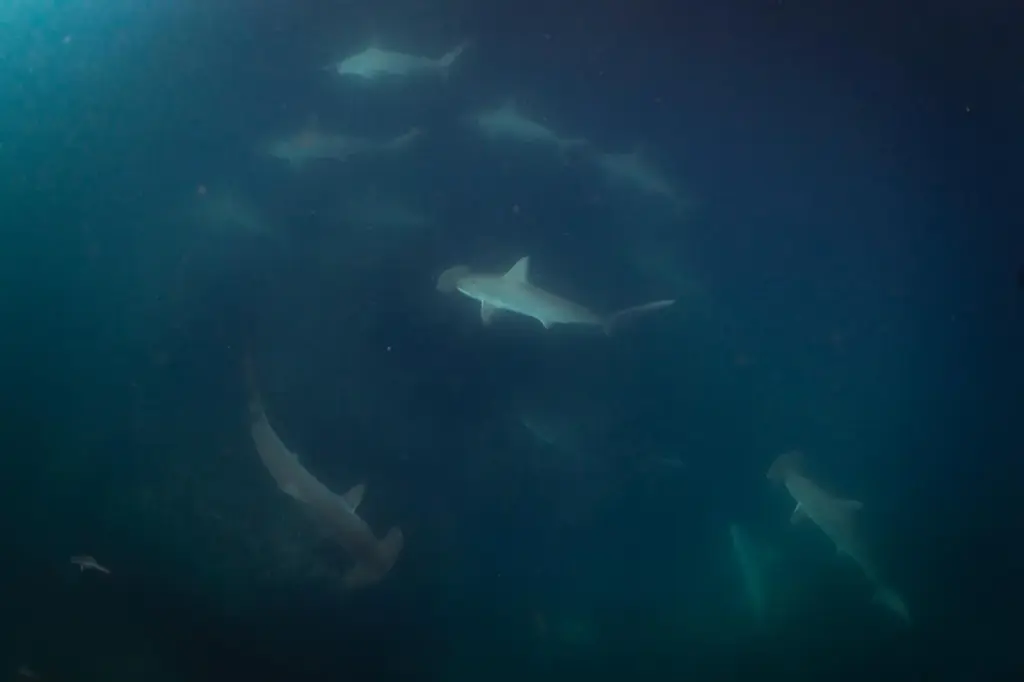
On diving alone, the Galapagos is as good as it gets: schooling scalloped hammerheads, Galapagos sharks, sea lions, marine iguanas and, from June to November, whale sharks at Darwin and Wolf. It ranks tenth because it’s the hardest trip on the first page. Most dive cruises require an Advanced card and 50 to 100 logged dives, the currents are strong and the profiles deep, and the water runs 60 to 78°F (16 to 26°C), so a 7 mm suit with a hood is the norm.
Eight-day liveaboards listed by galapagosislands.com run $4,790 to $7,495, and every visitor pays the $200 national park fee plus a $20 transit control card on top. Fly nonstop to Quito (from Miami, Atlanta, Houston and New York) or Guayaquil (from Miami, New York and Fort Lauderdale), then on to Baltra. One thing has changed for good: Darwin’s Arch collapsed on May 17, 2021, so ignore any brochure that still shows it. Land-based day trips from Santa Cruz cost about $285 a day, a reasonable taste for divers who aren’t ready for the northern islands.
11-20: bucket-list diving with more effort or less reward
11. Socorro (Revillagigedo), Mexico: giant mantas
Score 82.8 (diving 5; access 2, cost 1.5, season 3, skill range 2). Best months: November to July. Level: Advanced. Getting there: fly to Los Cabos, which has nonstops from much of the US, then a 24-hour crossing. Typical cost: $3,195 to $9,790 for 8 to 10 nights.
Socorro is where giant oceanic mantas come to divers rather than the other way around, and they’re there year-round. Humpbacks pass from January to April, whale sharks show in November and December and again from late April to June, and bait balls build from April to June. Nautilus Liveaboards runs 9-day and 11-day trips from Cabo San Lucas for $3,195 to $9,790 depending on boat and cabin, with about 240 miles and a 24-hour crossing each way and about four dives a day; park fees and a $35 cash port fee are extra (checked September 2026).
The crossing can be rough and the sites are exposed. Boats run November to July and stop through the late-summer peak of the eastern Pacific hurricane season. Getting to Cabo is the easy part: Los Cabos has nonstops from Los Angeles, Dallas, Houston, Chicago, Denver, Atlanta and many more. Baja California Sur is at Level 2. Skip Socorro if you get seasick or haven’t dived in open-ocean conditions.
12. Belize: atolls, the Blue Hole and a barrier reef
Score 82.2 (diving 4; access 5, cost 4, season 4, skill range 4.5). Best months: December to May. Level: all levels. Getting there: nonstops from Dallas, Miami, Los Angeles, Atlanta and Houston, plus seasonal routes. Typical cost: $275 for three days of two-tank dives from San Pedro.
Belize has a long barrier reef, three offshore atolls and the Great Blue Hole, protected in a UNESCO World Heritage system since 1996. Water runs about 79°F (26°C) in winter and 84°F (29°C) in summer, with visibility of 50 to 100 feet. The dry season, December to May, is the most reliable time. Belize Pro Dive Center in San Pedro charges $275 for three days of local two-tank dives, and adds a $40 park fee for the Blue Hole and $10 for Turneffe (prices exclude 12.5% tax, checked September 2026).
The Blue Hole is more famous than it is good: a deep dive to see stalactites, with little marine life. The atolls, especially Turneffe and Lighthouse Reef’s walls, are the better diving. Belize is at Level 2, with Southside Belize City at Level 3; the islands are a different world from that part of the city. There are recompression chambers in San Pedro. Skip it in the fall if you’d rather avoid hurricane season.
13. The Cayman Islands: walls you can dive from the beach
Score 82.2 (diving 4; access 5, cost 3, season 4.5, skill range 5). Best months: year-round. Level: all levels. Getting there: year-round nonstops from Charlotte, Miami, Atlanta, Fort Lauderdale, New York-JFK, Orlando and Houston. Typical cost: $170 for a two-tank boat trip.
The Cayman Islands do polish better than anywhere in the Caribbean: well-run boats, moorings everywhere, and walls that drop into deep blue water a short ride from shore. Grand Cayman adds the USS Kittiwake, a 251-foot submarine rescue ship sunk off Seven Mile Beach in 2011 in 15 to 64 feet of water, and shore diving at places such as Sunset House. Little Cayman’s Bloody Bay Wall is among the Caribbean’s best dives, though Little Cayman isn’t a port of entry; you land on Grand Cayman first and connect on Cayman Airways.
Prices are high: Ocean Frontiers charges US$170 for a two-tank boat dive, or US$150 on its multi-trip scale (checked September 2026). The tourism board puts water at about 77°F (25°C) year-round, which feels cool by January. There’s a 24-hour recompression chamber at the hospital in George Town, and the islands are at Level 1. Skip Cayman if you’re counting every dollar; Bonaire and Roatan dive for less.
14. Komodo, Indonesia: currents, mantas and fish soup
Score 81.8 (diving 4.5; access 2, cost 4, season 4, skill range 2.5). Best months: April to October. Level: Advanced, comfortable in strong current. Getting there: an Asian hub to Bali or Jakarta, then to Labuan Bajo. Typical cost: $600 to $1,600 for a four-day liveaboard.
Komodo’s currents carry nutrients that feed more fish than seems reasonable, and the mantas, sharks and schooling fish follow. The dry season from April to October brings calm seas, water of 79 to 84°F (26 to 29°C) and visibility up to 100 feet (30 m); July to September is peak season, when boats can sell out three to six months ahead. December to March is better for mantas in the south of the park, though the seas are rougher.
Liveaboards run from about $150 a night on budget boats with shared cabins to $400-$600 or more on luxury phinisi schooners, and a typical four-day trip costs $600 to $1,600. All of them leave from Labuan Bajo, which has flights from Denpasar, Jakarta, Singapore and Kuala Lumpur. Komodo is cheaper than Raja Ampat and easier to reach, but the currents are the real thing. Skip it until you have solid buoyancy and some drift diving behind you.
15. Sipadan, Malaysia: turtles, barracuda and a permit lottery
Score 81.8 (diving 4.5; access 1.5, cost 3, season 4.5, skill range 3.5). Best months: permits are the constraint, not the weather. Level: intermediate and up. Getting there: Kuala Lumpur or Kota Kinabalu to Tawau, then by road and boat via Semporna. Typical cost: resort packages from nearby islands, plus permit fees.
Sipadan is an oceanic island off eastern Sabah that rises steeply from deep water, which is why it’s famous for turtles, swirling barracuda schools and big-eye trevally right off the wall. Nearby Mabul and Kapalai add muck diving. What makes it hard is access: Sabah Parks allocates Sipadan diving through registered operators, who can reserve up to six months ahead with a 50% deposit, under a limited daily permit quota.
That means a week in the area doesn’t guarantee a single Sipadan day unless your operator has secured permits. Book early, ask in writing how many Sipadan days your package includes, and expect park and conservation fees on top. Tawau is served from Kuala Lumpur and Kota Kinabalu, so plan on at least two connections from the US. Skip it if you can’t commit to dates months in advance.
16. French Polynesia: sharks in the passes
Score 81.0 (diving 4.5; access 2.5, cost 2, season 4.5, skill range 3). Best months: year-round; the drier season runs about May to October. Level: intermediate and up. Getting there: nonstops to Papeete from Los Angeles, San Francisco and Honolulu, then domestic flights. Typical cost: about $93 a dive on a six-dive pass.
The channel (“pass”) dives at Rangiroa and Fakarava in the Tuamotus are known for large numbers of sharks, plus mantas, dolphins and turtles, as the tide pours in and out of the lagoons. They’re incoming-tide drift dives, so timing matters and some experience in current helps. French Polynesia sits at Level 1, and it’s one of the few South Pacific destinations with a choice of nonstops from the US: Air France, Air Tahiti Nui and United from Los Angeles, French Bee and United from San Francisco, and French Bee from Honolulu.
It’s expensive once you arrive. TOPDIVE’s 2026 rates price a six-dive pass usable on two islands at 58,800 CFP francs, about $557 or roughly $93 a dive at October 2026 rates, and lodging in the islands is priced for honeymooners. Skip it if you’re building a budget trip; go if sharks in moving water are your thing.
17. The cenotes of the Riviera Maya, Mexico: caverns and light beams
Score 80.8 (diving 4; access 5, cost 3.5, season 5, skill range 3). Best months: year-round. Level: Open Water certified, with a cavern-trained guide. Getting there: Cancun, which has nonstops from dozens of US cities. Typical cost: $150 to $160 for a two-cenote day, plus entrance fees.
Nothing else on this list looks like a cenote dive: clear fresh water, shafts of sunlight cutting through the dark, and limestone formations in every direction. Recreational cenote dives stay in the cavern zone, where daylight is always visible, and the water holds at about 77°F (25°C) all year. The systems are enormous: Sistema Dos Ojos alone has 28 known entrances, and its 2018 connection made Sac Actun one of the longest underwater cave systems known.
The Cenote Guy charges $150 to $160 for a two-cenote day, with entrance fees extra (checked September 2026). Some cenotes ask more of you: Angelita’s hydrogen sulfide cloud sits at about 100 feet (30 m), and it’s for Advanced or deep-certified divers only. Quintana Roo is at Level 2. Skip the cenotes if enclosed spaces bother you, and never go past the cavern zone without full cave training.
18. Kona, Hawaii: the manta night dive and no passport
Score 80.8 (diving 4; access 4, cost 3, season 5, skill range 4.5). Best months: year-round. Level: all levels. Getting there: nonstops to Kona from Los Angeles, San Francisco, San Diego, Seattle, Portland, Phoenix, Denver, Las Vegas and Sacramento. Typical cost: $200 for a two-tank boat trip.
The Kona manta night dive is the best night dive in the United States and a strong contender worldwide: divers kneel on the bottom while lights draw plankton and the mantas loop through the beams. Big Island Divers charges from $149 plus tax and gear, and Jack’s Diving Locker $230, the same price it charges snorkelers (checked September 2026). By day, the lava coast gives arches, lava tubes and turtles, with water from 77.6°F (25.3°C) in February to 81.8°F (27.7°C) in September.
Two-tank boat trips cost about $200 at Jack’s Diving Locker and Kona Diving Company. You need only a REAL ID or a passport to fly. One local warning: driving over the island’s high roads soon after diving is an altitude exposure, and Big Island Divers cautions against staying farther north than Waikoloa or south than Captain Cook if you’ll drive back after diving. Skip Kona if colorful soft corals are what you’re after; Hawaii’s reefs are built mostly of hard coral on lava.
19. Cocos Island, Costa Rica: the hammerhead island
Score 80.5 (diving 5; access 1, cost 1, season 3.5, skill range 1.5). Best months: June to November for hammerheads. Level: Advanced, with at least 30 logged dives. Getting there: fly to San Jose, which has many US nonstops, then 36 to 48 hours by sea. Typical cost: $5,800 to $8,800 for a 10-day liveaboard.
Cocos is the purest big-animal trip on this list: an uninhabited island about 342 miles (550 km) off Costa Rica, home only to park rangers, with schools of scalloped hammerheads, whitetip reef sharks hunting at night and, with luck, silky sharks, mantas or whale sharks. PADI lists June to November as the hammerhead season at sites such as Bajo Alcyone.
It’s reachable only by sea, 36 to 48 hours each way from Puntarenas, so trips last at least ten days and cost $5,800 to $8,800 per person, with crew tips commonly around 10% of the trip price. Most boats ask for an Advanced card and at least 30 logged dives, and the nearest medical help is a long boat ride away. San Jose has nonstops from more than a dozen US cities. Skip Cocos until you’re experienced in current, at depth and on long liveaboards.
20. Turks and Caicos: walls and winter humpbacks
Score 80.0 (diving 4; access 5, cost 2.5, season 4.5, skill range 4). Best months: year-round; humpbacks January to April. Level: all levels. Getting there: nonstops to Providenciales from Charlotte, Miami, Atlanta, New York-JFK, Orlando, Newark, Denver and Washington-Dulles. Typical cost: $179 for a two-tank boat trip.
The walls of West Caicos, French Cay and Grand Turk are the draw, and humpback whales migrate past from January to April. Grand Turk and Salt Cay sites are often minutes from shore, while Provo’s best sites can be an hour by boat. Water runs about 75°F (24°C) in late January and 86°F (30°C) in July and August. Dive Provo charges from $179 for a two-tank boat dive (checked September 2026), and two liveaboard companies, Aggressor and Explorer Ventures, work the islands.
The Turks and Caicos are at Level 2. They’re expensive for the Caribbean, and Provo’s best walls can be an hour from the hotels by boat. Skip them if cost per dive matters; consider Grand Turk instead of Provo if diving matters more than the beach.
21-30: specialists, value picks and diving close to home
21. Truk Lagoon (Chuuk), Micronesia: a sunken fleet
Score 79.5 (diving 4.5; access 1.5, cost 2.5, season 4.5, skill range 2.5). Best months: November to April. Level: Advanced, wreck training for penetration. Getting there: United’s Island Hopper from Honolulu or Guam. Typical cost: liveaboard or resort weeks priced for a remote island.
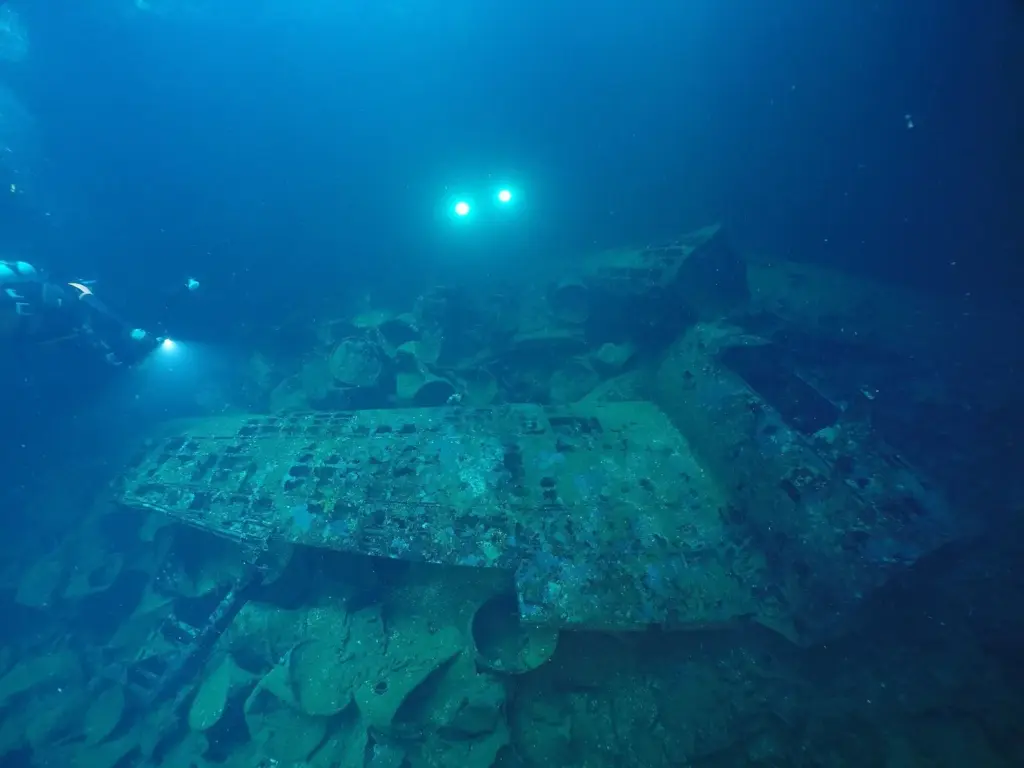
Truk Lagoon holds the largest collection of World War II wrecks anywhere a recreational diver can reach. Operation Hailstone, the US Navy attack of February 17 and 18, 1944, sank 32 Japanese merchant ships plus cruisers and destroyers and destroyed more than 250 aircraft. Today holds still carry aircraft, trucks and munitions. Water stays at about 77 to 86°F (25 to 30°C), and the dry season runs November to April.
Getting there means United’s Island Hopper, which links Honolulu and Guam with Chuuk through Micronesia’s islands. Micronesia is at Level 1. Many of the best wrecks sit deep, and going inside them safely takes wreck training. Treat the munitions as dangerous and never take anything. Skip Truk unless wrecks are your passion; it’s a long way to go for a reef trip.
22. Bali and Nusa Penida, Indonesia: mola, mantas and value
Score 78.5 (diving 4; access 2, cost 4.5, season 4.5, skill range 4). Best months: July to October for mola. Level: intermediate for Nusa Penida. Getting there: an Asian hub to Denpasar. Typical cost: about $173 for a three-dive Nusa Penida day.
Bali packs a lot of variety into short boat rides: the USAT Liberty wreck at Tulamben, black-sand macro, and the cold, current-swept sites of Nusa Penida, where oceanic sunfish (mola) rise from deep water from about July to October and reef mantas visit cleaning stations year-round. The upwellings can drop the water to about 64°F (18°C), while other days reach 81°F (27°C).
Bali Scuba charges IDR 3.1 million for a three-dive Nusa Penida day (about $173 at October 2026 rates) and requires 25 logged dives and a dive within six months, or a private guide for IDR 800,000 more. Its multi-day packages run IDR 3.4 million to 10.2 million (about $189 to $568). Every foreign visitor also pays Bali’s IDR 150,000 tourist levy. Skip Nusa Penida’s mola sites if you’re newly certified; the currents there are strong.
23. Roatan, Honduras: the Caribbean’s value pick
Score 78.2 (diving 3.5; access 5, cost 5, season 4.5, skill range 5). Best months: year-round. Level: all levels. Getting there: nonstops from Miami, Dallas/Fort Worth, Atlanta and Houston. Typical cost: about $1,664 for a week with meals and diving.
Roatan gives Caribbean diving at prices closer to Southeast Asia’s. CoCo View Resort’s value-season week (September 12, 2026 to January 1, 2027) costs from $1,664 per person double, including three meals a day, unlimited beach diving, two boat trips daily, night shore diving and transfers, plus 19% tax (checked September 2026). Roatan Divers charges $45 for a fun dive. Water runs about 77°F (25°C) in winter and 84°F (29°C) in September, and new-moon night dives can show the “string of pearls” bioluminescence.
The reefs are good rather than great, which keeps Roatan in the twenties despite top marks for access and cost. Read the advisory before booking: Honduras is at Level 3, reconsider travel, on the State Department’s scale. The advisory covers the whole country, so read its details before you book. Skip Roatan if a Level 3 advisory rules a destination out for you; Bonaire and Belize offer similar diving at Level 1 and 2.
24. The Great Barrier Reef, Australia: scale, with caveats
Score 77.8 (diving 4; access 2.5, cost 3, season 4, skill range 5). Best months: year-round. Level: all levels. Getting there: nonstops from Los Angeles to Sydney, then a domestic flight to Cairns. Typical cost: about $235 for an outer-reef day trip.
The Great Barrier Reef is the world’s largest reef system, and the outer reefs and Ribbon Reefs still offer big fish, turtles and the potato cod of the Cod Hole. But it has bleached repeatedly: a fifth mass bleaching in 2024 and a sixth in 2025, the second time in history it bleached in consecutive years. Reef condition now varies a lot by area, so choose outer and northern sites and ask operators what they’re seeing.
Quicksilver’s outer-reef trip from Port Douglas costs AUD 338 (about $235 at October 2026 rates). Liveaboards such as Spirit of Freedom’s three-night trip to the Cod Hole and Pro Dive Cairns’ three-day outer-reef trip, with up to 11 dives, give far better diving than day boats. Cairns has no US flights; fly to Sydney or Brisbane first. Skip the reef as a short add-on; it rewards divers who give it a liveaboard.
25. La Paz and the Sea of Cortez, Mexico: sea lions and whale sharks
Score 77.8 (diving 4; access 3, cost 4, season 3.5, skill range 4). Best months: September to November. Level: all levels. Getting there: Los Cabos or a connection through Mexico. Typical cost: about $1,765 for a week with five dive days.
La Paz offers something no Caribbean island can: playful California sea lions at Los Islotes, a colony of more than 200 about an hour by boat from town. The colony is closed to visitors from June 1 to August 31 for pupping. Whale sharks gather in the bay in the cooler months; a recent season logged 56 individual sharks, and a whale shark tour with The Hook Experiences costs 2,800 pesos (about $154). Caradonna lists a Carey Dive Center week with five days of two-tank dives and free nitrox from $1,765.
Water swings from about 60°F (16°C) in February to 85°F (29°C) in September, so fall is the sweet spot for warmth and visibility. Baja California Sur is at Level 2. Cabo Pulmo, about two hours by road from Los Cabos airport, adds a protected reef whose fish biomass rose 463% between 1999 and 2009. Skip winter if you hate cold water.
26. Curaçao: Bonaire’s bigger neighbor
Score 77.5 (diving 3.5; access 4, cost 5, season 5, skill range 5). Best months: year-round. Level: all levels. Getting there: nonstops from Atlanta, New York-JFK and Newark. Typical cost: about $904 for a week with unlimited shore diving and a truck.
Curaçao offers Bonaire-style shore diving with more to do topside. It also sits outside the main development region for hurricanes, about 40 miles (65 km) north of Venezuela. A Caradonna package with Go West Diving, seven nights, six days of unlimited shore-diving air and a pickup truck, starts at $904 (checked September 2026). Curaçao is at Level 1, and its currency is now the Caribbean guilder.
The reefs are healthy and easy, with Klein Curaçao a popular boat day, but the island has less of Bonaire’s marine-park culture. Skip it if you want a quiet dive-only island; choose it if your traveling companion doesn’t dive.
27. The Florida Keys: wrecks and easy reefs
Score 76.8 (diving 3.5; access 5, cost 4.5, season 4, skill range 5). Best months: year-round; warmest June to October. Level: all levels. Getting there: drive 61 miles from Miami International to Key Largo. Typical cost: $99 for a two-tank reef trip.
The Keys have the only coral barrier reef in the continental United States, protected in a 4,539-square-mile national marine sanctuary, and a lineup of wrecks that rivals anywhere in the Caribbean. The Spiegel Grove, a 510-foot Navy landing ship, lies in 60 to 135 feet off Key Largo and is an Advanced dive; the 327-foot Coast Guard cutter Duane sits upright in 120 feet; NOAA’s Shipwreck Trail links nine historic wrecks from shallow to deep. Rainbow Reef Dive Center charges $99 for a two-tank reef trip, or $85 a trip on a five-trip package (checked September 2026).
Water runs from about 72.5°F (22.5°C) in January to 88.7°F (31.5°C) in August, and the reef has struggled: the 2023 marine heatwave was the longest in the region since 1991. Expect fewer live corals than the Caribbean’s best islands. Skip the Keys if reef health is your top priority; go for wrecks, convenience and no passport.
28. California’s kelp forests: Catalina and Monterey
Score 72.2 (diving 3.5; access 5, cost 4, season 3.5, skill range 3). Best months: September to mid-October at Catalina. Level: intermediate; cold water. Getting there: Catalina Express ferries take about an hour from Long Beach, San Pedro and Dana Point. Typical cost: shore diving at Catalina’s dive park costs little beyond the ferry.
Kelp forest diving is one of the world’s great underwater landscapes, and California has it within a ferry ride of Los Angeles. Catalina’s Casino Point Dive Park, established in 1962, is a shore dive through kelp, garibaldi and sometimes giant sea bass, with water from 55-59°F (13-15°C) in winter to 70-74°F (21-23°C) in summer; September to mid-October is warmest. The park is a no-take State Marine Conservation Area from the shoreline to 73 feet, used mostly by divers and snorkelers entering from land. Farther north, Monterey Bay National Marine Sanctuary, designated in 1992, protects 6,094 square miles and 276 miles of coastline, and its charters report 48 to 52°F (9 to 11°C) at depth all year and visibility of 10 to 25 feet.
That’s thick-wetsuit or drysuit diving, with surge and limited visibility on many days, which is why it scores lower than the tropics. Skip it as a first dive trip; try it once you’re comfortable in a 7 mm suit and want something completely different.
29. Thailand: courses and budget diving
Score 71.5 (diving 3.5; access 2, cost 5, season 3, skill range 5). Best months: November to May on the Andaman coast. Level: all levels. Getting there: connections through an Asian hub to Bangkok or Phuket. Typical cost: about $324 for an Open Water course on Koh Tao.
Koh Tao is one of the best-known places in the world to learn to dive: Koh Tao Divers charges 10,900 baht (about $324 at October 2026 rates) for a three-day SSI Open Water course, with a maximum of four divers per group. The Similan Islands on the Andaman side are the better diving, but the park closes for the southwest monsoon and is normally dived from liveaboards between about November and May.
Two entry rules changed recently: since September 15, 2026, US passport holders get 30 days visa-free instead of 60, and every arrival must complete the online Thailand Digital Arrival Card. Advanced Open Water at Koh Tao Divers costs 9,900 baht (about $294) for two days and five dives, and its courses include basic accident insurance for 30 days that excludes evacuation, so buy your own dive cover. Americans already make the trip in numbers: Thailand counted 1,081,929 US visitors in 2025, staying an average of about 14.6 nights. Skip Thailand for advanced or big-animal diving; go to learn, or as an add-on to a land trip.
30. North Carolina: U-boats and sand tiger sharks
Score 70.8 (diving 3.5; access 5, cost 4, season 3, skill range 2.5). Best months: summer and early fall, when seas are calmest. Level: Advanced; most wrecks lie at 90 to 120 feet. Getting there: drive to Morehead City or Beaufort. Typical cost: $175 to $185 for a two-dive offshore trip.
North Carolina’s “Graveyard of the Atlantic” has the best wreck diving on the US East Coast, often with sand tiger sharks hovering in the holds. The German U-352, a 220-foot Type VIIC submarine sunk by the Coast Guard cutter Icarus on May 9, 1942, lies in about 110 feet off Cape Lookout. It was the first U-boat the Coast Guard sank off the American East Coast in the war, 33 of its 48 crew survived, and NOAA calls it likely the U-boat most often dived by recreational divers. Olympus Dive Center charges $185 for a full-day two-dive trip to sites at 90 to 120 feet, and Discovery Diving in Beaufort $175 (checked September 2026).
These are deep, offshore, sometimes rough dives in the Gulf Stream’s path, so they suit Advanced divers with nitrox and good gas planning. Discovery Diving warns that the first dive of a regular day can reach 100 to 120 feet, and adds a $15 fuel surcharge per person; its half-day inshore wreck dive, at 35 to 70 feet for $95, is the gentler way to start. Skip them on a first trip; put them on the list once you’ve done a few deep wreck dives elsewhere.
Near misses: great diving that didn’t make the 30
A list of 30 leaves out places that deserve a mention. These came close, or would rank on diving alone but fail on something else.
- Saba: a tiny Dutch Caribbean island whose marine park has circled it to 200 feet (60 m) since 1987, with deep pinnacle dives and permanent moorings. Sea Saba is the listed operator, and Saba sits at Level 1. It’s a quiet, experienced diver’s island rather than a first trip.
- Dominica: volcanic-island diving at a good price; a Caradonna week at the Fort Young Hotel with five days of two-tank dives, breakfast and marine-park fees started at $1,279 in a flash sale (checked September 2026). Level 1.
- St. Croix, US Virgin Islands: reef and wall diving with no passport needed. NOAA’s records put Christiansted’s water at 80 to 87°F (27 to 31°C) all year, and Miami has a year-round nonstop.
- Malpelo, Colombia: a UNESCO-listed rock about 310 miles (500 km) off the Colombian coast where schools of around 500 hammerheads gather, but it’s even more remote than Cocos, and Colombia sits at Level 3.
- Papua New Guinea: the birthplace of muck diving in Milne Bay, and superb reefs, but the country is at Level 3 with several do-not-travel areas, and reaching it from the US takes several connections.
- Isla Mujeres, Mexico: one of the best-known whale shark encounters anywhere, from June to September, but scuba is prohibited on the tours, which are snorkel only, with a maximum of two swimmers in the water per boat.
- Lembeh Strait, Indonesia: the macro photographer’s favorite, with critters that are hard to find elsewhere; it ranks within the Indonesia and Philippines entries above for most readers, but specialists should consider it on its own.
What a week of diving costs at the top destinations
Package and per-dive prices are the clearest way to compare destinations, as long as you read what’s included. These are published prices from the operators and agents named, checked September 2026.
| Destination | Example | Price | Not included |
|---|---|---|---|
| Bonaire | Unlimited shore diving, 6 days (Dive Friends) | $234 | Lodging, truck, $40 nature fee, $75 entry tax |
| Curaçao | 7 nights, 6 days of unlimited shore-diving air and a pickup (Go West Diving) | From $904 | Flights, meals |
| Florida Keys | Five two-tank reef trips (Rainbow Reef) | $425 | Lodging, gear |
| Belize | Five days of local two-tank dives (Belize Pro Dive) | $425 | 12.5% tax, lodging, park fees |
| Cozumel | Five days of two-tank boat dives (Sand Dollar) | $510 | Lodging, 225 pesos a day park fee |
| Philippines | 6 nights, 10 boat dives, full board (Azure, Dauin) | From $1,300 | Flights |
| Roatan | 7-night dive week with meals (CoCo View, value season) | From $1,664 | 19% tax, flights |
| Grand Cayman | 7 nights, 5 days of two-tank boat dives, breakfast (Sunset House) | From $2,036 (low season) | Flights, most meals |
| Fiji | 7 nights, 12 boat dives, full board (Volivoli) | From $2,882 | Flights |
| Red Sea | Liveaboard week (Master Liveaboards) | From $1,155 | Tips, flights, extras |
| Raja Ampat | 7-10 night liveaboard (typical range) | $3,200-$7,500 | Permits, tips, flights |
| Socorro | 9 or 11-day liveaboard (Nautilus) | $3,195-$9,790 | Park fees, $35 port fee, tips |
| Galapagos | 8-day liveaboard | $4,790-$7,495 | $220 entry fees, tips |
| Cocos Island | 10-day liveaboard (typical range) | $5,800-$8,800 | Tips of about 10%, flights |
The pattern is simple. In the Caribbean and Mexico you pay by the dive and choose your own lodging, so a week costs whatever your hotel costs plus a few hundred dollars of diving. In the Pacific and Indian Ocean, most serious diving happens from liveaboards, so the boat price is the trip price, and the flights to reach it cost far more than a hop to the Caribbean. Remember the fees the packages leave out; on some trips they add more than a day of diving.
Our take: If you have one week and a normal budget, go to Bonaire, Cozumel or Belize and spend the savings on more diving days. Save the Galapagos, Cocos and Socorro for a year when the trip itself is the vacation, and when your logbook is ready for them.
Best dive destinations by month
Season matters as much as place. This table puts the 30 destinations on the calendar; dates come from the operators’ and parks’ own season notes, and the Atlantic hurricane season (June to November) applies to every Caribbean pick.
| Month | Where to go | Why |
|---|---|---|
| January | Bahamas (Tiger Beach), Turks and Caicos, Raja Ampat | Tiger sharks peak October to January; humpbacks pass January to April; Raja Ampat’s calm season |
| February | Raja Ampat, Socorro, Bimini | Manta peak December to February; Socorro humpbacks; great hammerheads November to April |
| March | Red Sea, Tubbataha, Cat Island (Bahamas) | Red Sea spring sweet spot; Tubbataha opens mid-March; oceanic whitetips March to June |
| April | Komodo, Socorro, Fiji | Komodo’s dry season starts; Socorro bait balls April to June; Fiji’s main season begins |
| May | Tubbataha, Palau, Red Sea | Tubbataha runs to mid-June; Palau’s dry season ends in May; Red Sea spring |
| June | Galapagos, Cocos, Socorro | Whale sharks and hammerheads June to November; Socorro’s season ends in July |
| July | Fiji, Komodo, Nusa Penida | Bull sharks at Beqa July to September; Komodo’s peak; mola season starts |
| August | Galapagos, Fiji, Nusa Penida | Galapagos whale sharks; Fiji’s best visibility; mola |
| September | Red Sea, Catalina, La Paz | Red Sea fall sweet spot; Catalina’s warmest water; La Paz at about 85°F |
| October | Palau, Raja Ampat, Tiger Beach, the Red Sea | Palau’s dry season starts; Raja Ampat’s season starts; tiger sharks return; oceanic whitetips October to December |
| November | Cozumel, Socorro, Bimini, Truk Lagoon | Eagle rays November to March; Socorro reopens; hammerheads arrive; Chuuk’s dry season |
| December | Belize, Raja Ampat, Cozumel, Socorro | Belize’s dry season starts; manta peak; Cozumel’s winter; Socorro whale sharks |
For the best places to scuba dive in March, the Red Sea and Tubbataha are the standouts, with Cat Island’s oceanic whitetips for shark divers. For December, Belize and Cozumel are the easy picks from the US, and Raja Ampat the far-flung one.
The best places to scuba dive for every kind of diver
The ranking above is one answer. These shorter lists answer narrower questions, each drawn from the same 30 destinations.
Best places to scuba dive for beginners
Bonaire, Grand Cayman, Roatan and the Florida Keys lead: calm water, shallow reefs, plenty of instructors and short flights. Cozumel suits new divers on its shallower sites with a guide. For the best places to get scuba certified, Koh Tao and Roatan are the value picks and the Keys the convenient one; our scuba certification guide covers course costs and agencies.
Cheapest places to scuba dive
The Philippines, Thailand, Bali and Roatan give the most diving for the money, and Bonaire’s unlimited shore diving at $42 a day makes it the budget pick in the Caribbean. The cost of getting to Asia eats into the savings on short trips, so a week in Roatan or Bonaire often costs less in total than a week in the Philippines.
Best shore diving in the world
Bonaire is first and Curaçao second, both with marked sites and truck-and-tank packages. Grand Cayman’s shore diving is underrated, and Dauin in the Philippines offers muck diving close to shore. Shore diving means planning your own entries, exits and gas, so it rewards confident divers.
Best drift diving in the world
Cozumel is the gentle introduction, Palau the classic, and Komodo and French Polynesia’s passes the advanced versions. The Maldives’ channels and Indonesia’s currents can be strong enough to require reef hooks and experience; book drift trips only once you can hold neutral buoyancy without thinking about it.
Best wall dives in the world
Little Cayman’s Bloody Bay Wall, Grand Cayman, the Turks and Caicos, Belize’s atolls and Cozumel’s Santa Rosa and Palancar walls are the Caribbean’s best. In the Pacific, Palau’s Blue Corner and Sipadan’s drop-off are the benchmarks. Walls tempt divers deeper than planned, so watch your computer.
Best diving visibility in the world
The Bahamas’ tourism board quotes visibility of 150 to 200 feet, Cozumel often sees 100 to 130 feet, Bonaire averages more than 100, and Palau ranges from 50 to well over 150. For the clearest water anywhere, Iceland’s Silfra fissure can reach about 330 feet (100 m), though it’s a drysuit dive in glacier meltwater.
Best coral reefs to dive
Raja Ampat and Fiji have the most impressive coral on this list, with the Red Sea and Belize close behind. Every reef is under pressure: NOAA confirmed the fourth global bleaching event in 2024, and by June 2026 bleaching-level heat stress had reached about 84.4% of the world’s reef area. Ask operators about current conditions rather than relying on older photos.
Best places for marine life and big animals
For sharks, the Bahamas, Fiji, the Galapagos, Cocos and French Polynesia lead, and our pillar on shark dives around the world covers seasons and operators. For mantas, go to Socorro, Kona, the Maldives or Raja Ampat; for whale shark encounters, the Galapagos, the Maldives and La Paz. For small life, Anilao, Dauin and Lembeh in Indonesia are the macro capitals.
Best dive sites in the world
Individual sites deserve their own list. Ours would include Blue Corner (Palau), the SS Thistlegorm (Red Sea), the Kona manta night dive, Tiger Beach (Bahamas), the Beqa shark dive (Fiji), Bloody Bay Wall (Little Cayman), Tubbataha’s reefs and the Fujikawa Maru (Truk Lagoon).
Best places to scuba dive in North America and without a passport
Without a passport, Kona, the Florida Keys, California’s kelp forests and North Carolina’s wrecks are the US picks, and Puerto Rico and the US Virgin Islands are domestic travel for US citizens too. Within North America more broadly, Cozumel, the cenotes, Socorro, La Paz, the Bahamas, Belize and Roatan are all a short flight from a US gateway.
Coolest and most unusual places to dive
The cenotes, Truk Lagoon’s ghost fleet, Silfra’s fissure between continental plates and Bonaire’s shore-diving freedom are the experiences that don’t resemble ordinary reef dives. Iceland’s Silfra is a single site rather than a dive destination, which is why it isn’t ranked, but a guided snorkel there costs ISK 19,990 (about $165) with DIVE.IS, and diving it requires drysuit training.
Most dangerous dive sites
The riskiest dives combine depth, current, overhead environments and distance from help. On this list that means Cocos (36 to 48 hours from the mainland), Socorro’s exposed pinnacles, Komodo’s currents, the deep cenotes such as Angelita and the deep wrecks of Truk and North Carolina. None is dangerous for a properly trained diver who follows the plan; all are dangerous for divers who skip the training.
How to plan a dive trip abroad, step by step
- Match the destination to your logbook. Check certification and experience rules before falling in love with a place: Galapagos cruises usually want an Advanced card and 50 to 100 dives, Cocos at least 30 logged dives, and Nusa Penida 25.
- Pick the season. Use the month table above, and check the hurricane season for the Caribbean (June to November) and the eastern Pacific (May 15 to November 30).
- Choose land-based or liveaboard. Liveaboards reach remote sites and pack in four dives a day; land-based trips are cheaper and better for non-diving partners. Budget liveaboard tips, typically $150 to $300 a week in the Maldives and Indonesia and about 10% on Cocos and Galapagos boats.
- Book flights with slack. Leave a buffer day before a liveaboard departs, and avoid separate tickets on long connections. Avoid Gulf hub routings while those countries remain under Level 3 advisories.
- Check entry rules and advisories. Look up the State Department level, visa rules and arrival forms such as the Philippines’ eTravel and Thailand’s Digital Arrival Card.
- Buy dive accident insurance. DAN membership alone doesn’t cover dive accident costs; the insurance is a separate purchase. Note the nearest recompression chamber.
- Plan the last dive around the flight home. DAN’s guidelines call for at least 12 hours after a single no-decompression dive and 18 hours after several days of repetitive diving.
Mistakes to avoid
- Booking an advanced liveaboard (Galapagos, Cocos, Socorro) as a first big trip.
- Forgetting park and permit fees: $220 in the Galapagos, P5,000 at Tubbataha, $115 in Bonaire’s fee and tax.
- Assuming you’ll dive Sipadan because you’re staying nearby.
- Choosing the Caribbean in September or October without trip insurance.
- Booking a tight connection to a once-a-week liveaboard departure.
- Trusting old photos of bleached reefs, or of Darwin’s Arch.
Safety, requirements and reef health
The best places to scuba dive aren’t the most extreme ones. The trips that go wrong usually involve diving beyond training, current or depth a diver wasn’t ready for, or a medical problem far from a chamber. Build your trips up in steps: a Caribbean week, then Cozumel’s drifts, then the Red Sea or Palau, and only then the remote liveaboards.
Insurance and evacuation matter more the farther you go. Divers Alert Network sells dive accident insurance separately from membership, and its 24/7 emergency line is +1-919-684-9111. Bonaire, Cozumel, Grand Cayman, San Pedro in Belize, Tavernier in the Keys and Honolulu all have recompression chambers; Cocos, Socorro and the Galapagos’ northern islands are many hours from one.
Advisories change faster than dive seasons. On the State Department’s scale, Egypt, Mexico, Belize, the Bahamas and the Turks and Caicos are at Level 2 and Honduras at Level 3, while Palau, Fiji, French Polynesia, Micronesia, Bonaire, Curaçao and the Cayman Islands are at Level 1 (checked September 2026). Check the current level, and the region-by-region detail, before you book and again before you fly.
Finally, reef health. The fourth global bleaching event, dated from January 2023, has reached reefs in at least 83 countries and territories, according to NOAA Coral Reef Watch. Divers can’t fix that, but they can avoid adding to it: keep fins off the reef, don’t touch or feed wildlife, use mineral sunscreen or cover up, and choose operators that use moorings rather than anchors.
Frequently asked questions
Where is the best scuba diving in the world?
On diving quality alone, Raja Ampat, Palau, the Galapagos, Socorro and Cocos Island lead, with the Red Sea, the Philippines, Fiji and the Maldives close behind. Once you weigh flight time, cost and skill requirements for a US diver, our ranking puts Palau first, followed by the Bahamas, the Philippines, Raja Ampat and the Red Sea.
Where are the best places to scuba dive in the Caribbean?
Bonaire is the best all-round Caribbean pick for its shore diving, followed by Cozumel for drift diving, the Cayman Islands for walls, the Bahamas for sharks and Belize for atolls. Roatan and Curaçao are the value choices. All have nonstop flights from several US cities, and most have recompression chambers on the island.
Where should beginners go scuba diving?
Bonaire, Grand Cayman, Roatan and the Florida Keys are the easiest places for a first dive trip: calm, warm, shallow reefs, many instructors and short flights from the US. Cozumel works too on its shallower sites. Leave the Galapagos, Cocos, Socorro and Komodo until you have an Advanced card and plenty of logged dives.
What is the cheapest good place to scuba dive?
The Philippines offers the most diving per dollar, with packages such as six nights and ten boat dives in Dauin from about $1,300. Closer to home, Roatan’s all-inclusive dive weeks start around $1,664, and Bonaire’s unlimited shore diving costs $42 a day. Thailand’s Koh Tao is the cheapest place on this list to get certified.
Where is the best place to scuba dive in December?
Belize enters its dry season in December, Cozumel’s winter brings eagle rays and calm water, and Socorro has whale sharks and giant mantas. Farther afield, Raja Ampat’s calm season and manta peak make it the best long-haul choice. Remember that Christmas is peak season in the Caribbean, so book flights and dive packages early.
Where is the best place to scuba dive in March?
The Red Sea is at its spring sweet spot from March to May, Tubbataha’s short liveaboard season opens in mid-March, and Cat Island in the Bahamas starts its oceanic whitetip season. March also falls in Belize’s dry season, and Bonaire and Cozumel dive well all year, which makes all three easy choices from the US.
Do I need a passport for great scuba diving?
No. Kona’s manta night dive, the Florida Keys’ wrecks, California’s kelp forests and North Carolina’s U-boats are all domestic trips, and Puerto Rico and the US Virgin Islands don’t require a passport for US citizens either. You’ll need a REAL ID-compliant license or a passport to board the flight.
Is the Great Barrier Reef still worth diving?
Yes, if you plan it well. Mass bleaching in 2024 and 2025 damaged many reefs, but conditions vary widely, and the outer and northern reefs, including the Ribbon Reefs and the Cod Hole, still offer strong diving. Choose a liveaboard or an outer-reef operator over inner-reef day trips, and ask what operators are currently seeing.
Sources and verification
Everything on this page was checked between September 23 and October 1, 2026 against the organizations listed below. The ranking is compiled from their published prices, seasons, rules and advisories, and it doesn’t claim first-hand visits.
- Pristine Paradise Palau (Palau Visitors Authority)
- Tubbataha Reefs Natural Park: permits and fees
- Sabah Parks: diving Sipadan
- STINAPA Bonaire: nature fee
- Bonaire visitor entry tax
- Galapagos Shark Diving: prices and park fees
- Nautilus Liveaboards: Socorro
- TOPDIVE French Polynesia: 2026 rates
- Beqa Adventure Divers: the Fiji Shark Dive
- Epic Diving (Tiger Beach, Bimini, Cat Island)
- Neal Watson’s Bimini Scuba Center: great hammerheads
- Stuart Cove’s: shark diving
- Sand Dollar Sports, Cozumel
- Dive Friends Bonaire: price list
- Ocean Frontiers, Grand Cayman
- Belize Pro Dive Center
- Dive Provo, Turks and Caicos
- CoCo View Resort, Roatan
- Rainbow Reef Dive Center, Key Largo
- NOAA Florida Keys National Marine Sanctuary: Shipwreck Trail
- Big Island Divers: Kona manta night dive
- Jack’s Diving Locker: manta night dive
- Bali Scuba: Nusa Penida
- Koh Tao Divers: Open Water course
- Quicksilver Cruises: outer reef fares
- Olympus Dive Center, Morehead City
- Diving Catalina: Casino Point
- US State Department: travel advisories
- NOAA Coral Reef Watch: global bleaching reports
- Divers Alert Network: flying after diving
- European Central Bank reference rates (currency conversions, October 1, 2026)
Also checked: Caradonna Dive Adventures’ package listings; Explorer Ventures; Master Liveaboards; Liveaboards.com’s 2026 cost breakdowns; Spirit of Freedom and Pro Dive Cairns; The Cenote Guy, Blue Life and Deep Mexico; The Hook Experiences, La Paz; Discovery Diving, Beaufort; Roatan Divers; Kona Diving Company; Catalina Express; Beachhopper II, Monterey; DIVE.IS; PADI’s shark season lists; the Thai and Philippine immigration and arrival-card sites; Wikipedia’s airport pages for nonstop routes (treated as “including,” not complete).
Scuba Tourism Guide is an independent publication. It is not affiliated with any agency, park or dive operator named here, and no one paid to be included.
Photo credits
- Diver and snappers, Raja Ampat (featured image): photo by Fakhrizal Setiawan, Wikimedia Commons (CC BY-SA 4.0)
- Reef shark at Blue Corner, Palau (2013): photo by Matt Kieffer from London, United Kingdom, Wikimedia Commons (CC BY-SA 2.0)
- Caribbean reef shark at Tiger Beach, Bahamas (2023): photo by Dennis Hipp (Zepto), Wikimedia Commons (CC0)
- Chromodoris willani nudibranch, Anilao, Philippines (2023): photo by Diego Delso, Wikimedia Commons (CC BY-SA 4.0)
- Railway parts on the SS Thistlegorm, Red Sea (2007): photo by Woodym555, edited by Fir0002, Wikimedia Commons (CC BY-SA 3.0)
- Shore dive entry marker, Bonaire: photo by Paul Arps from The Netherlands, Wikimedia Commons (CC BY 2.0)
- Scalloped hammerheads, Galapagos: photo by kdaniel20816, Wikimedia Commons (CC0)
- Cargo hold of the Fujikawa Maru, Truk Lagoon (2015): photo by Motoki Kurabayashi, Wikimedia Commons (CC BY-SA 4.0)


