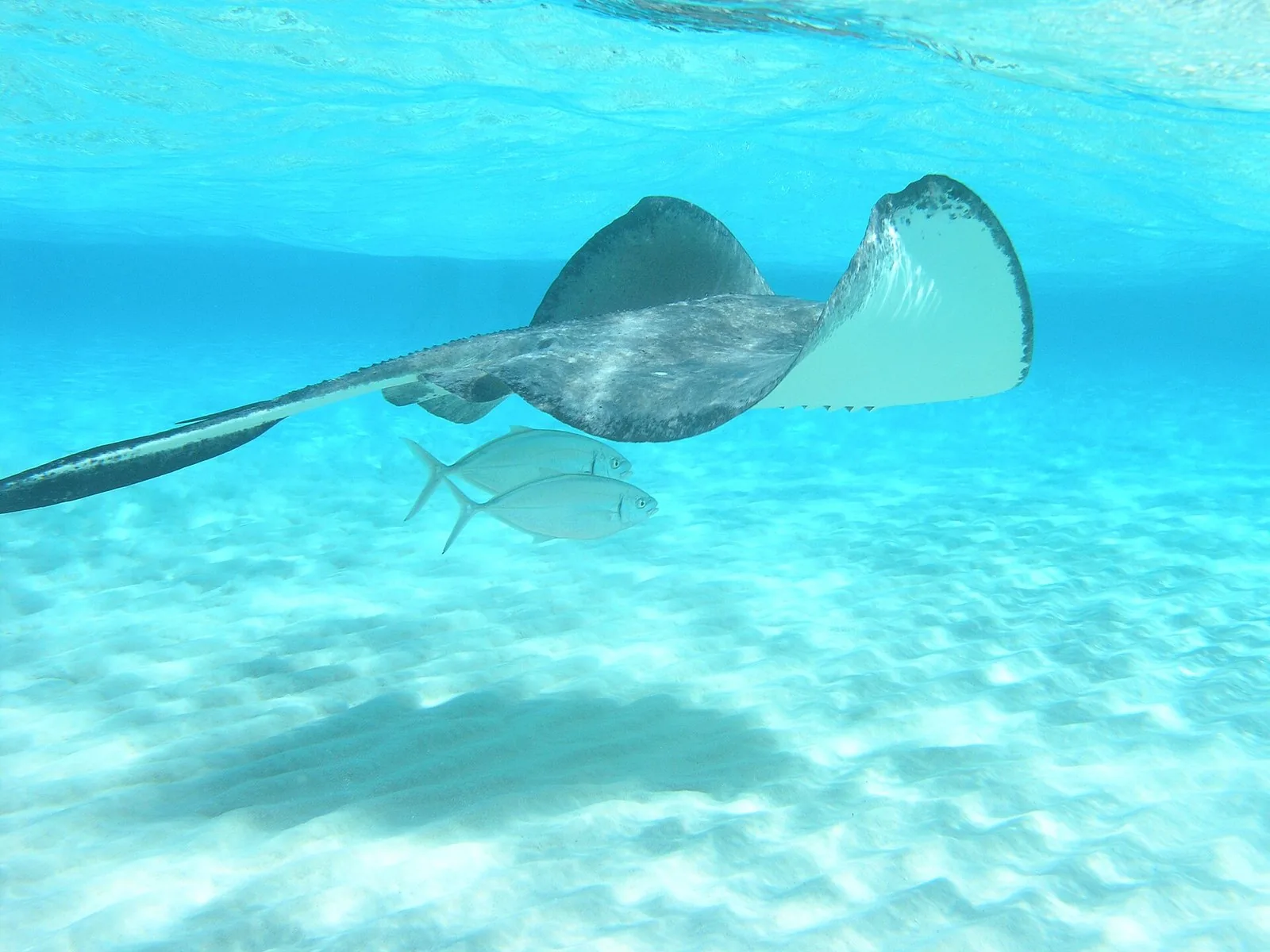
Bob Soto opened Grand Cayman’s first dive shop in 1957, and the island has been building its diving around visitors ever since. Today the Cayman Islands have 365 dive sites marked with moorings and more than 40 operators, a wall that drops off within a short boat ride of almost every hotel, a Navy submarine rescue ship sunk on purpose off Seven Mile Beach, and a sandbar where southern stingrays glide around your knees in three feet of water. Grand Cayman scuba diving is polished, easy and expensive by Caribbean standards, and it’s only the start: Little Cayman has Bloody Bay Wall, and Cayman Brac has a Russian warship. This guide covers all three islands, with prices converted to US dollars and the logistics an American diver needs.
Short answer: Grand Cayman is one of the Caribbean’s easiest, best-organized dive islands: walls, the Kittiwake wreck and Stingray City, a short hop from Miami. Two-tank boat dives cost about US$144-$170 (checked September 2026). Add three nights on Little Cayman for Bloody Bay Wall if you can.
Prices, rules and seasons on this page were checked on September 23-24, 2026 against the agencies’ and operators’ own websites, including the Cayman Islands Department of Environment, the Health Services Authority, the Department of Tourism and each dive operator’s price list. We name operators so you can compare like with like; none of them paid to appear here.
On this page: At a glance · Is it worth it? · Three islands compared · Best dive sites · Sites by coast · Stingray City · Shore diving · Little Cayman · Cayman Brac · Marine life and reef health · Best time to go · Getting there · Where to stay · Operators and prices · Budget · Cozumel vs Grand Cayman · Courses · Cruise-day diving · Safety · Non-divers · Sample itinerary · FAQ
Grand Cayman scuba diving at a glance
| Question | Answer (checked September 2026) |
|---|---|
| Skill level | All levels. Shallow reefs and the Kittiwake suit beginners; the walls are easy to reach but drop far past recreational limits, so buoyancy control matters. |
| Best months | Year-round. December to May is the dry, busy season; hurricane season runs June 1 to November 30, peaking in September. |
| Water temperature | About 25°C (77°F) year-round by the tourism board’s figure, warmer in late summer |
| Visibility | Among the Caribbean’s clearest; the tourism board calls it some of the best visibility in the world |
| Depth range | Stingray City’s scuba sandbar at 12 ft; the Kittiwake to about 64 ft; wall tops from 18 ft on Bloody Bay |
| Signature marine life | Southern stingrays, green and hawksbill turtles, eagle rays, reef sharks, groupers and tarpon, plus red-footed boobies above the water on Little Cayman |
| Two-tank boat trip | CI$120-CI$130 (about US$144-$156) at Red Sail; $150 at Sunset House; US$170 at Ocean Frontiers |
| Getting there | Year-round nonstops from Charlotte, Miami, Atlanta, Fort Lauderdale, New York-JFK, Orlando and Houston, plus seasonal routes |
| Entry rules | Passport and an onward or return ticket; State Department advisory Level 1 |
| Nearest chamber | Cayman Hyperbaric Services at the hospital in George Town, on call 24 hours a day |
Is Grand Cayman scuba diving worth it? Who it suits, and who should go elsewhere
For most American divers, yes. Grand Cayman is small (76 square miles) and organized, and its marine parks, first set up in 1986 and expanded in 2021 to cover around half the islands’ coastal waters, have protected the reefs for four decades. Dive boats reach the wall in minutes rather than hours, operators run like clockwork, and nonstop flights from seven US cities year-round make it a long-weekend possibility from the East Coast.
It suits wall divers (the drop-offs are close and dramatic), new divers and families (calm West Bay conditions, shallow reefs, excellent instruction), underwater photographers, and anyone who values reliability over adventure. The three-island combination is its secret weapon: Grand Cayman’s convenience, Little Cayman’s great wall and quiet, and Cayman Brac’s wreck and shore diving.
It’s the wrong choice in a few cases:
- You’re on a tight budget. Cayman is expensive: dives, hotels and restaurants all cost more than in Cozumel, Roatan or Bonaire.
- You want wild, empty dive sites. Grand Cayman is busy, especially on cruise days. Little Cayman is the fix.
- You want big-animal encounters. Reef sharks and eagle rays turn up, but Cayman isn’t a shark-dive or whale destination like the Bahamas or the Silver Bank.
Our take: Grand Cayman is the Caribbean’s safest bet for a dive vacation that simply works. Spend the extra on three nights in Little Cayman: Bloody Bay Wall is the reason Cayman’s reputation is what it is.
Grand Cayman, Little Cayman or Cayman Brac?
| Island | Size and people | Diving | Best for | Getting there |
|---|---|---|---|---|
| Grand Cayman | 76 sq mi; George Town has about 35,000 people | About 245 sites in four areas: Seven Mile Beach and Northwest Point, the North Wall, the South Side and the East End | Convenience, variety, families, the Kittiwake and Stingray City | US nonstops to Owen Roberts International (GCM) |
| Little Cayman | About 10 mi long; 161 residents (2021) | Bloody Bay Wall and the island’s north and south shores | Wall divers who want quiet | Not a port of entry: fly via Grand Cayman or Cayman Brac on Cayman Airways |
| Cayman Brac | About 12 mi long; 1,995 residents (2021) | 50-plus boat sites and 11 shore sites, including the Captain Keith Tibbetts | Wreck and shore diving, value within Cayman | Cayman Airways and Cayman Airways Express flights only |
The best dive sites in Grand Cayman
Grand Cayman’s roughly 245 sites fall into four areas, each with a different personality. Here are the highlights, with the Sister Islands’ headline sites alongside.
| Site | Area | Depth | Level | Why go |
|---|---|---|---|---|
| USS Kittiwake | Seven Mile Beach | Originally 15-64 ft; about 20 ft deeper at its shallowest since 2017 | All levels | A 251-ft submarine rescue ship sunk in 2011 |
| West Wall sites | Seven Mile Beach and Northwest Point | Wall tops in recreational range | All levels | Calm, close to the hotels |
| North Wall sites | North Wall | Wall tops, then the drop-off | Intermediate | Dramatic wall topography |
| Stingray City | North Sound | 12 ft | All levels | Southern stingrays at close range |
| East End reefs and walls | East End | Varies | Intermediate | Quieter, wilder diving |
| Bloody Bay Wall | Little Cayman | Wall starts at 18 ft | All levels with good buoyancy | One of the Caribbean’s great walls |
| Captain Keith Tibbetts | Cayman Brac | Deck at about 59 ft; bottom at about 89 ft | Intermediate | A Soviet-built frigate |
The USS Kittiwake
The USS Kittiwake dive is Grand Cayman’s most famous wreck. The Chanticleer-class submarine rescue ship served from 1946 to 1994 and was scuttled off Seven Mile Beach on January 5, 2011. It’s 251 ft long, and it originally sat upright with its shallowest point at 15 ft and its deepest at 64 ft. In October 2017, waves from Tropical Storm Nate rolled it onto its port side, and it now sits about 20 ft deeper at its shallowest point. Red Sail Sports runs a two-tank Kittiwake trip (plus a reef dive) from CI$130, about US$156, with a maximum depth of 70 ft, and Sunset House runs single-tank Kittiwake trips on Monday and Wednesday afternoons for $100. Sunset House even runs a $60 Kittiwake snorkel trip for non-divers.
The walls: West, North and East End
Grand Cayman is the top of an underwater mountain, and its walls drop away just offshore. The West Wall, off Seven Mile Beach and Northwest Point, is the calmest and closest to the big hotels; Red Sail runs a two-tank morning West Wall trip from CI$120 (about US$144). The North Wall is more dramatic and more exposed to weather, with its own two-tank morning trip at the same price. The East End, where Ocean Frontiers is based, is the quietest corner of the island, with its own reefs and walls and far fewer boats.
Beyond Grand Cayman
Little Cayman’s Bloody Bay Wall and Cayman Brac’s Captain Keith Tibbetts are the Sister Islands’ headliners, and both get their own sections below. Choosing the best dive sites in Grand Cayman for your trip comes down to which area your hotel and operator are in: the West Wall for convenience, the North Wall for drama and the East End for solitude.
Grand Cayman dive sites by coast
Where you stay decides where you dive, because most boats work the coast nearest their dock. Here’s the island coast by coast.
| Coast | Character | Examples | Who runs it |
|---|---|---|---|
| Seven Mile Beach and Northwest Point (West Wall) | The calm lee side; short boat rides from the big hotels | The Kittiwake; West Wall sites; Cheeseburger Reef, used for cruise-day Discover Scuba at about 40 ft | Red Sail Sports and many Seven Mile Beach shops |
| George Town and the South Side | Shore diving from the ironshore; closest to the cruise tenders | Sunset House’s house reef, with The Mermaid statue and the wreck of the Nicholson | Sunset House and George Town shops |
| North Sound and the North Wall | Stingray City in the sheltered sound; a dramatic, more exposed wall outside the reef | Stingray City’s 12-ft sandbar; North Wall sites | Red Sail’s two-tank North Wall trip and North Sound operators |
| East End | The least-dived coast: walls, grottos and sharks, far from the crowds | Ocean Frontiers’ 55 charted sites, including Julie’s Wall, McCurley’s Wall, Barrel Sponge Wall, Grouper Grotto and Lighthouse Wall | Ocean Frontiers; Tortuga Divers from the Morritt’s Tortuga Resort dock |
The East End in detail
The East End is the part of Grand Cayman most visitors never see, and it’s the best argument for renting a car. Ocean Frontiers works the coast from Old Man Bay at the northern tip south to the lighthouse at Breakers, with 55 charted sites in six zones; 27 of them are wall dives that plunge hundreds of feet, and the rest are shallow reefs for snorkelers and newer divers. Red Sail’s sister company, Tortuga Divers, runs more than 40 East End sites from the Morritt’s Tortuga Resort dock and promises sheer wall drops and shark sightings. Because the East End faces open ocean, it can be rougher than the West Wall, but on calm days it’s the island’s wildest diving.
Night diving in Grand Cayman
Night diving in Grand Cayman is easy to arrange from shore. Sunset House runs a guided shore night dive on Tuesdays for $80, and many boat operators schedule night or dusk trips during the week. At night the reef changes shift: octopus and lobsters come out, parrotfish sleep in mucus cocoons, and tarpon hunt in the beams of your light. Bring a backup light and stay close to your guide.
Stingray City, Grand Cayman
Stingray City is Cayman’s most famous wildlife encounter, and it’s in a shallow, sandy corner of the North Sound. It’s actually two spots: the Stingray Sandbar, where visitors stand in about 3 ft of water, and a deeper sandbar at about 12 ft that’s used for scuba. The rays first gathered there because fishermen cleaned their catches in the calm water, and in the 1980s divers began feeding them squid.
Both sites are now Wildlife Interaction Zones managed by the Cayman Islands Department of Environment. You may only interact with the rays inside those two zones; the National Conservation Council’s stingray handling guidance is enforceable under the National Conservation Act; and every commercial operator taking tours into the zones needs a DoE permit each year. Researchers have raised concerns about the effects of daily feeding on the rays, so follow your guide’s instructions, keep your hands flat and low, and don’t lift a ray out of the water.
For divers, the 12-ft scuba site is often visited as part of a North Sound trip, sometimes paired with a North Wall dive; snorkelers and non-divers usually visit the shallower Sandbar on a boat tour. Cruise days are the busiest, so if you can, go on a day when there are fewer ships in port. The rays are wild animals even though they’re used to people: move slowly, keep your feet on the sand and let them come to you.
Grand Cayman shore diving
Can you shore dive in Grand Cayman? Yes, and well. The island’s west side, around George Town and West Bay, has several good entry points, and shops such as Sunset House and Divetech are set up for it. Sunset House’s guided shore dive costs $75 with air tank, weights and a guide, and its guided shore night dive on Tuesdays costs $80. Divetech offers shore diving along with boat diving, freediving, underwater scooters and rebreather and technical diving. Cayman Brac adds 11 shore sites, and some waterfront hotels near George Town have their own entry points.
Shore diving in Cayman is gentler on the budget than boat diving, and it lets you dive at your own pace, at dawn or after dark. At Sunset House, house-reef shore diving is complimentary on two-tank boat days for package guests, and the reef’s highlights include The Mermaid statue and the wreck of the Nicholson. As anywhere, check the conditions, watch for boat traffic, fly a dive flag or stay close to the shore, and dive with a buddy.
Little Cayman diving and Bloody Bay Wall
Little Cayman diving is why serious divers keep coming back to Cayman. The island is about 10 miles long and had 161 residents in 2021, and it isn’t a port of entry: you land first on Grand Cayman or Cayman Brac and fly Cayman Airways to Edward Bodden Airfield. The prize is Bloody Bay Wall, whose drop-off begins at just 18 ft (5.5 m) and runs effectively vertical in places; the tourism board describes it as a wall dropping some 2 km (about 6,500 ft). Because the wall starts so shallow, even Open Water divers can hang over the edge and look down into the blue, which is the whole thrill of it.
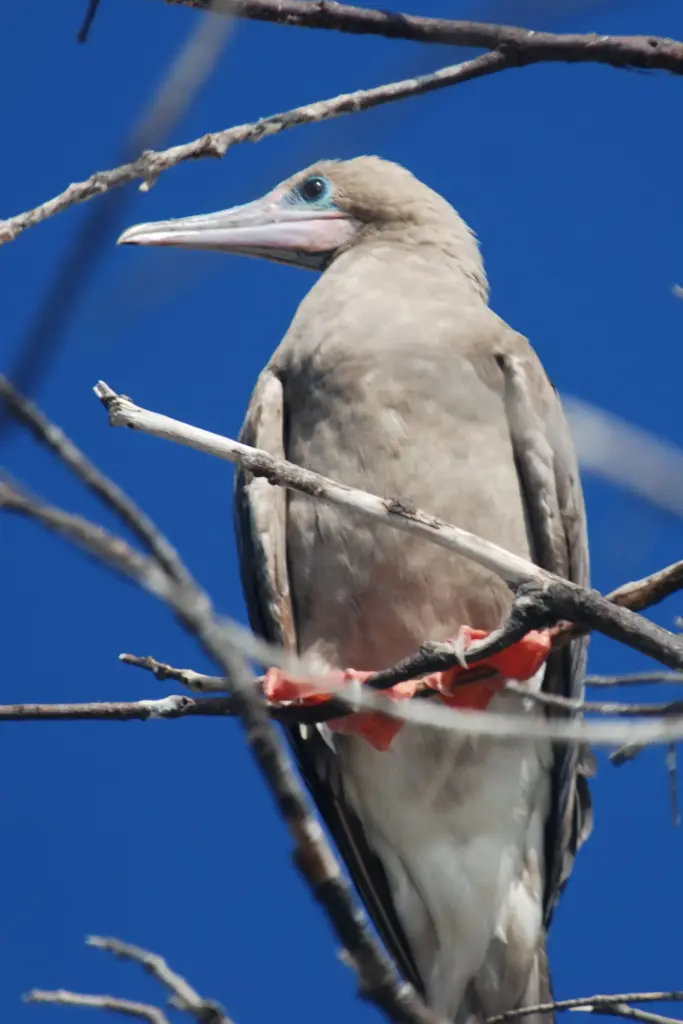
The island is also a science hub. The Central Caribbean Marine Institute, founded in 1998, runs a 6,600-square-foot research center there, and the Booby Pond Nature Reserve holds the Caribbean’s largest colony of red-footed boobies. Little Cayman’s resorts are small and mostly dive-focused, which is part of the appeal.
Plan the logistics carefully. You’ll connect through Grand Cayman (or Cayman Brac) on Cayman Airways, and inter-island hops on small planes can mean tighter baggage rules, so check your allowance and ask your resort about gear rental. Plan on three to seven nights; with the wall this close, three dives a day is easy, and the rest of the time is for doing very little, which is exactly the point. Bloody Bay Wall is divable by anyone with good buoyancy, but the edge invites depth, so agree on a maximum depth with your buddy before you roll in and stick to it. With only 161 residents, the island has limited medical care, so dive conservatively and carry evacuation insurance.
Cayman Brac diving
Cayman Brac diving is Cayman’s value option. The island is about 12 miles long, with 1,995 residents in 2021, and The Bluff, a limestone cliff, rises to 141 ft along its length. All scheduled flights are on Cayman Airways or Cayman Airways Express. Underwater, the Brac has more than 50 boat sites and 11 shore sites.
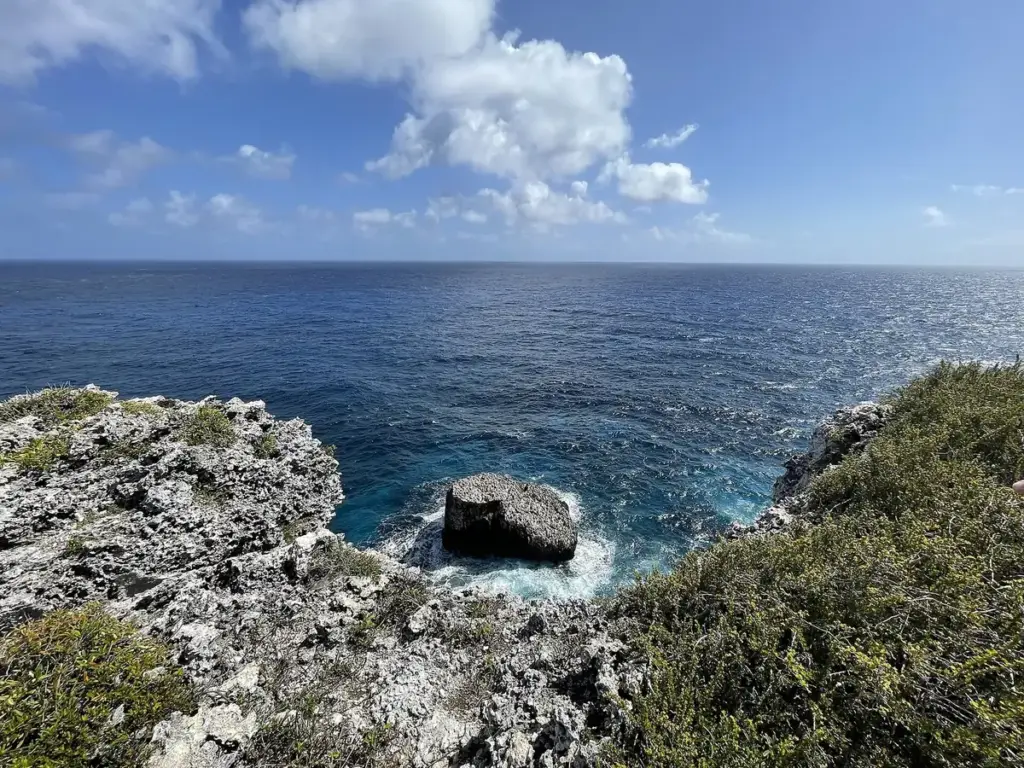
Its signature dive is the MV Captain Keith Tibbetts, a Koni-class frigate built by the Soviet Union for the Cuban Navy in 1984 and sunk off the Brac in 1996. It sat at 89 ft (27 m) with its deck at 59 ft (18 m) until a storm in late 1998 and early 1999 tipped the fore section to about 45 degrees. It’s described as the only Russian warship divers can explore in the Western Hemisphere.
Beyond the Tibbetts, Cayman Brac’s 11 shore sites make it the best of the three islands for independent divers, and with sites on more than one side of the island, there’s often a sheltered option when the wind blows. The island is quiet, with fewer restaurants and less nightlife than Grand Cayman, and that suits divers who want to dive three times a day and sleep early. If you’re island-hopping, Cayman Airways connects the Brac with both Grand Cayman and Little Cayman.
Marine life and reef health
Cayman’s reefs are best known for the big, friendly regulars: southern stingrays, green and hawksbill turtles, eagle rays cruising the sand channels, Nassau and other groupers, tarpon around the wrecks and overhangs, and Caribbean reef sharks, which are protected under Cayman’s National Conservation Law. Walls bring sponges, sea fans and black coral; the shallows bring schools of grunts and snapper.
What you see depends on the kind of dive. On the walls, look out into the blue as often as you look at the reef, because eagle rays and the occasional reef shark cruise along the drop-off, and look closely at the big barrel sponges for small critters. On the shallow reefs, turtles graze and parrotfish crunch coral. On the wrecks, tarpon hang in the shade and groupers claim the corners. And on the sand, besides the stingrays, you’ll find garden eels and flounders if you move slowly.
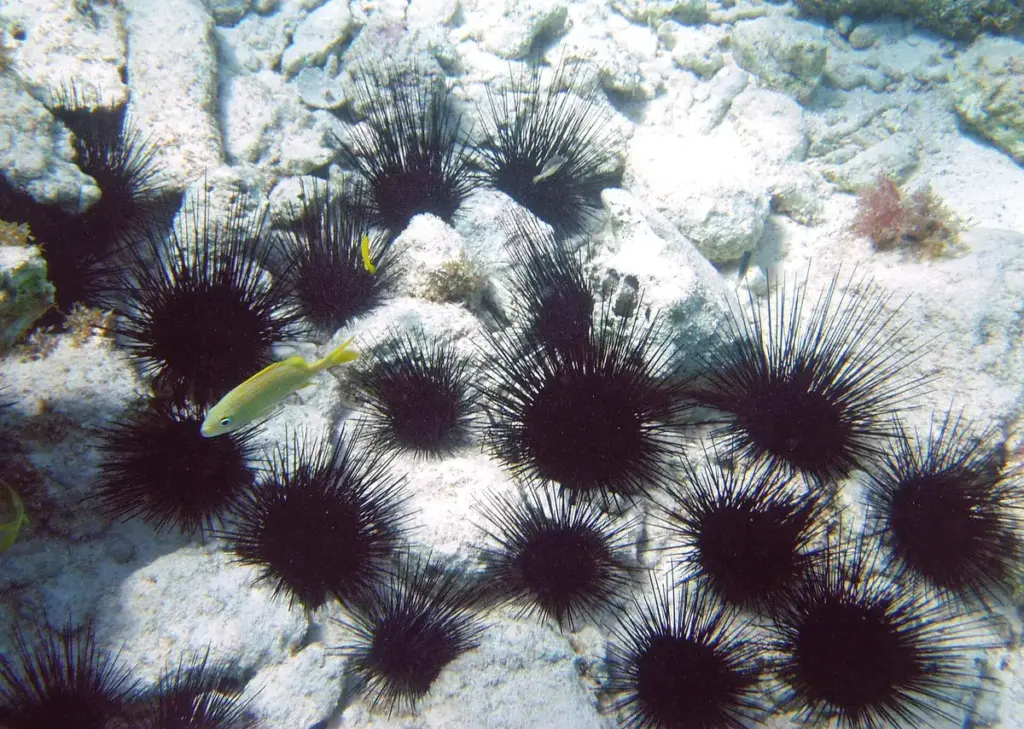
Like every Caribbean reef, Cayman’s has had a hard few years. Stony coral tissue loss disease, first reported in Florida in 2014, has spread through the region, and the Department of Environment runs a monitoring and response program for it. The fourth global bleaching event, dated by NOAA from January 2023, added heat stress. What you’ll see is still healthy by Caribbean standards, especially on the protected walls, where sponges, sea fans and fish life carry the dives. The marine parks help: since 2021 they cover around half of the islands’ coastal waters.
Best time to dive Grand Cayman
You can dive Cayman all year. The tourism board puts the water at about 25°C (77°F) year-round, and shops such as Divetech note that it warms further in summer. The dry season, roughly December to May, brings the most settled weather and the most visitors. The Atlantic hurricane season runs June 1 to November 30 and peaks on September 10, and Cayman has been hit hard before: Hurricane Ivan struck on September 11-12, 2004, causing two deaths and an estimated $3.4 billion in economic impact.
| Months | Weather and sea | Crowds and prices | Notes |
|---|---|---|---|
| December-April | Dry season; winter cold fronts can rough up the west side for a day or two | Peak season and prices; holiday weeks sell out | North Wall and East End often calmer when the west is choppy |
| May-June | Warming water, often calm | Shoulder season | A good value window |
| July-August | Warmest water; storm risk rising from mid-August | Family summer travel | Buy trip insurance |
| September-October | Peak hurricane risk | Lowest prices, quiet boats | Flexible dates essential |
| November | Hurricane season ends November 30 | Prices rising toward winter | Thanksgiving week is busy |
An average Atlantic season, based on 1991-2020, brings 14 named storms, seven hurricanes and three major hurricanes, and the first hurricane typically forms in early to mid-August. Most storms never come near Cayman, but the odds are real, so travel insurance that covers named storms is worth having for any trip between August and October.
The best time to dive Grand Cayman, for most people, is late April to June: calm water, warming temperatures and shoulder-season prices, before the hurricane risk climbs.
Getting there from the US
Grand Cayman’s Owen Roberts International Airport (GCM) has year-round nonstops from Charlotte and Miami (American), Atlanta (Delta), Fort Lauderdale and New York-JFK (JetBlue), Orlando (Southwest) and Houston (United). Seasonal routes add Chicago, Dallas and Philadelphia (American), Detroit, Minneapolis and JFK (Delta), Boston (JetBlue), Chicago, Newark and Washington-Dulles (United) and Minneapolis (Sun Country). From Grand Cayman, Cayman Airways flies on to Cayman Brac and Little Cayman.
Entry is simple: bring a passport (or another valid document establishing identity and nationality) and an onward or return ticket, and you may be asked to show sufficient funds. The State Department rates the Cayman Islands Level 1, exercise normal precautions.
Getting around
Grand Cayman is small enough to cross in about an hour by car, and a rental car is the easiest way to reach shore sites, the East End and the North Sound. Cayman drives on the left, a holdover from British rule, so take the first day slowly. Many dive operators pick up from Seven Mile Beach hotels, and taxis serve the airport and the cruise port.
The Cayman Islands dollar
The Cayman Islands dollar has been pegged at CI$1 = US$1.20 since April 1, 1974, and US dollars are accepted everywhere at US$1 = CI$0.80. That matters when you compare prices: a dive listed at CI$120 costs US$144. Always check which currency a price is in, because some operators quote in CI$ and others in US$.
Where to stay: Grand Cayman dive resorts and hotels
We don’t quote nightly rates, which swing between winter peak and summer, but the options sort easily.
- Seven Mile Beach: big resorts and condos on one of the Caribbean’s famous beaches, close to the West Wall operators and the Kittiwake. Some pair up with dive shops; the Westin with Red Sail Sports, for example, was on a five-night package with three days of two-tank diving from $1,682 per person.
- George Town: dive-focused hotels on the ironshore with shore diving out front. Sunset House, a mile from the cruise tender landing, was on a seven-night package with five days of two-tank boat dives, unlimited shore diving and breakfast from $2,036 per person.
- East End: quieter resorts and condos near Ocean Frontiers and the East End walls.
- Little Cayman and Cayman Brac: small, dive-focused resorts, most selling all-inclusive dive packages.
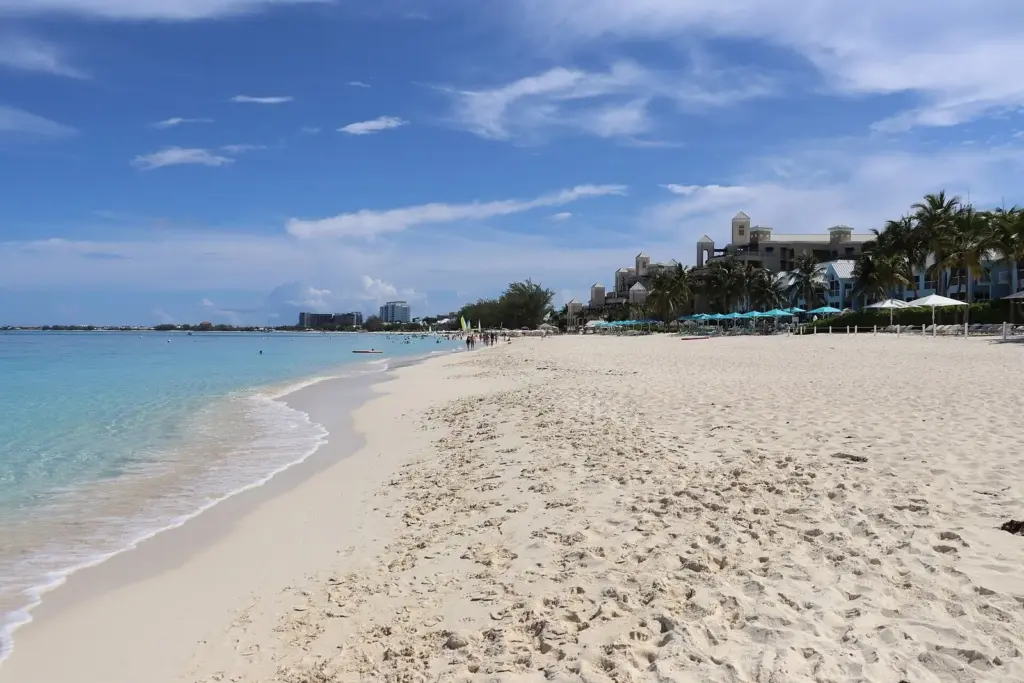
On the East End, Ocean Frontiers sells its own dive-and-stay packages with Compass Point Dive Resort, and Tortuga Divers operates from the Morritt’s Tortuga Resort dock, which makes that end of the island a good base for divers who want quiet. Grand Cayman dive resorts range from full-service dive hotels to beach resorts with a partner shop. For a dive-first trip, stay where the shop is; for a mixed group, Seven Mile Beach puts the beach and the boats together.
The trade-off is simple. A dive resort, such as Sunset House, gives you shore diving out the door, a dock, gear storage and a crowd of other divers, but fewer frills. A beach resort gives non-divers the pool, the sand and the restaurants, and you ride to the boat with a hotel pickup. If only half your group dives, the beach resort usually keeps everyone happier.
Grand Cayman dive operators: prices, inclusions and tipping
With more than 40 operators, choosing among the dive shops on Grand Cayman comes down to where you’re staying, how big you like your boat and whether you want valet service. Here’s what three well-established operators charge, from their own price lists at Red Sail, Sunset House and Ocean Frontiers.
| Operator (checked September 2026) | Area | Two-tank boat trip | Other prices | What’s included |
|---|---|---|---|---|
| Red Sail Sports | Seven Mile Beach | West Wall or North Wall from CI$120 (US$144); Kittiwake from CI$130 (US$156) | Hotel pickups at Seafire, Westin and Ritz-Carlton for the Kittiwake trip | Varies by trip |
| Sunset House (Sunset Divers) | George Town | $150, daily at 8 a.m. | Kittiwake one-tank $100; guided shore dive $75; shore night dive $80 | Shore diving from the hotel |
| Ocean Frontiers | East End | US$170 (US$150 on multi-trip sliding scale) | One-tank US$100; private guide US$110-140 | Tanks, lead, guide, refreshments, towels and full valet service |
Choosing among the dive shops on Grand Cayman is mostly a question of style. Red Sail Sports is the big resort-based operator on Seven Mile Beach, with hotel pickups along the beach. Sunset House suits divers who want shore diving from the hotel and a boat each morning. Ocean Frontiers is the East End specialist, known for valet service. Divetech covers technical diving, rebreathers and freediving as well as recreational trips. For cruise passengers, Lobster Pot Dive Company runs the Discover Scuba excursions that Carnival describes. Per dive, prices cluster tightly: about US$72-$85 a tank on a two-tank boat trip, and $75 for a guided shore dive.
Ocean Frontiers requires every diver to use a dive computer and recommends nitrox for anyone making two or more dives a day (it’s required for four or more). A la carte cancellations need at least 24 hours’ notice. Ask any operator about group size, whether a guide leads each dive and whether nitrox costs extra. On tipping, Cayman crews are used to American tippers; many divers leave 10-15% of the trip price, more for great service.
What Grand Cayman scuba diving costs: a 7-night budget
Here’s the dive portion of a seven-night trip per person, at prices checked in September 2026. Flights, meals and taxes are extra.
| Item | Package plan: Sunset House | A la carte plan: Seven Mile Beach |
|---|---|---|
| Room | Included in the package | Hotel or condo of your choice (not quoted) |
| Boat diving | 5 days of two-tank boat dives, included | 4 West Wall trips (CI$120) and 1 Kittiwake trip (CI$130) with Red Sail: CI$610, about US$732 |
| Shore diving | Unlimited, included | Guided shore dives from $75 if you want them |
| Breakfast | Included | Not included |
| Tips (about 10-15%) | About $75-$110 on the diving | About $75-$110 |
| Priced items | From $2,036 plus tips | About US$732 plus room and tips |
A three-night Little Cayman add-on means a Cayman Airways connection and a Little Cayman dive resort package. Budget divers should look at Cayman Brac, or compare Grand Cayman with Cozumel diving, where two-tank trips cost less and the drift diving is superb. The honest Cozumel vs Grand Cayman comparison is walls and calm, organized diving in Cayman against drifts and lower prices in Cozumel.
Cozumel vs Grand Cayman diving
These two are the Western Caribbean’s most-compared dive islands, and they suit different divers.
| Factor (checked September 2026) | Grand Cayman | Cozumel |
|---|---|---|
| Diving style | Walls and reefs, mostly without strong current; shore diving on the west side | Drift diving along walls and coral towers on a steady current |
| Two-tank boat trip | US$144-$170 | $135 at ScubaTony, including park fee and taxes; multi-day packages at about $102-$108 a day at Sand Dollar Sports |
| Daily fees | Check with your operator | Marine park fee of 225 MXN (about $13) per person per day |
| Nonstops | Seven US cities year-round | Dallas/Fort Worth, Houston and Miami year-round, plus seasonal routes |
| Currency | CI$ pegged at US$1.20; US dollars accepted | Mexican pesos; US dollars widely accepted |
| Best for | Families, new divers, wall lovers, reliability | Drift fans, value seekers, experienced divers |
Pick Grand Cayman for calm, organized diving and three islands in one trip; pick Cozumel for the drifts and the lower bill. Our Cozumel guide covers the other side of the comparison in full.
Scuba certification in Grand Cayman
Grand Cayman is one of the easiest places in the Caribbean to learn: calm water on the west side, shallow shore entries and plenty of instructors. Sunset House’s full PADI Open Water course costs $450 over two full days, with five confined sessions, four open water dives and rental gear (the PADI eLearning is paid separately). If you’ve done the classroom and pool work at home, its referral option (four shore open water dives) costs $400, and Advanced Open Water, with eLearning and five shore dives, costs $450. Family Dive Adventures (Kids Sea Camp) lists Grand Cayman with Ocean Frontiers among its 2027 family dive weeks.
Ocean Frontiers also runs Discover Scuba, Advanced Open Water and Rescue Diver courses on the East End, and cruise passengers can try Discover Scuba through shore excursions such as the Lobster Pot program Carnival describes. For scuba certification in Grand Cayman, the smart move is to do the eLearning before you fly, so your vacation days go to diving rather than reading.
Scuba diving from the Grand Cayman cruise port
Grand Cayman is one of the Caribbean’s best cruise stops for divers. Ships anchor off George Town and tender passengers ashore, and Sunset House is about a mile, or five minutes by taxi, from the tender landing. Royal Caribbean lists Grand Cayman among its diving ports, and Carnival’s own blog describes a Discover Scuba excursion with Lobster Pot Dive Company: skills practice at about 10 ft in a cove, then about 30 minutes on a reef at 40 ft. On a cruise day, book an operator near George Town, confirm your return time, and remember that tendering adds time on both ends.
A realistic cruise-day plan for certified divers is a two-tank morning trip or a guided shore dive near George Town, back on the tender with at least an hour to spare. Stingray City combined with a snorkel stop is the classic option for mixed groups, and the Kittiwake is a good single-tank choice if your operator runs it that day (Sunset House’s Kittiwake boat goes on Monday and Wednesday afternoons). Bring your certification card and logbook, since operators may ask for them. And skip anything that would make you rush back: ships don’t wait.
Safety: walls, weather and the chamber
The walls are the main safety consideration. They start shallow and drop into water far deeper than any recreational limit, so watch your depth gauge, especially when the view pulls you down, and ascend along the wall rather than in open water. The North Wall and East End can have current and swell, and winter cold fronts rough up the west side for a day or two. Listen to the briefing and carry a surface marker buoy.
Cayman Hyperbaric Services, with a team of 30 part-time operators and attendants, runs Cayman’s only recompression chamber at the hospital in George Town, on call 24 hours a day, 365 days a year. Keep an eye on the sun, too: long surface intervals on open boats burn fast, and a rash guard beats reapplying sunscreen. Carry dive accident insurance that covers evacuation, especially if you’re diving from Little Cayman or the Brac, and plan at least 18 hours between your last dive and your flight home after several days of diving.
For non-divers in your group
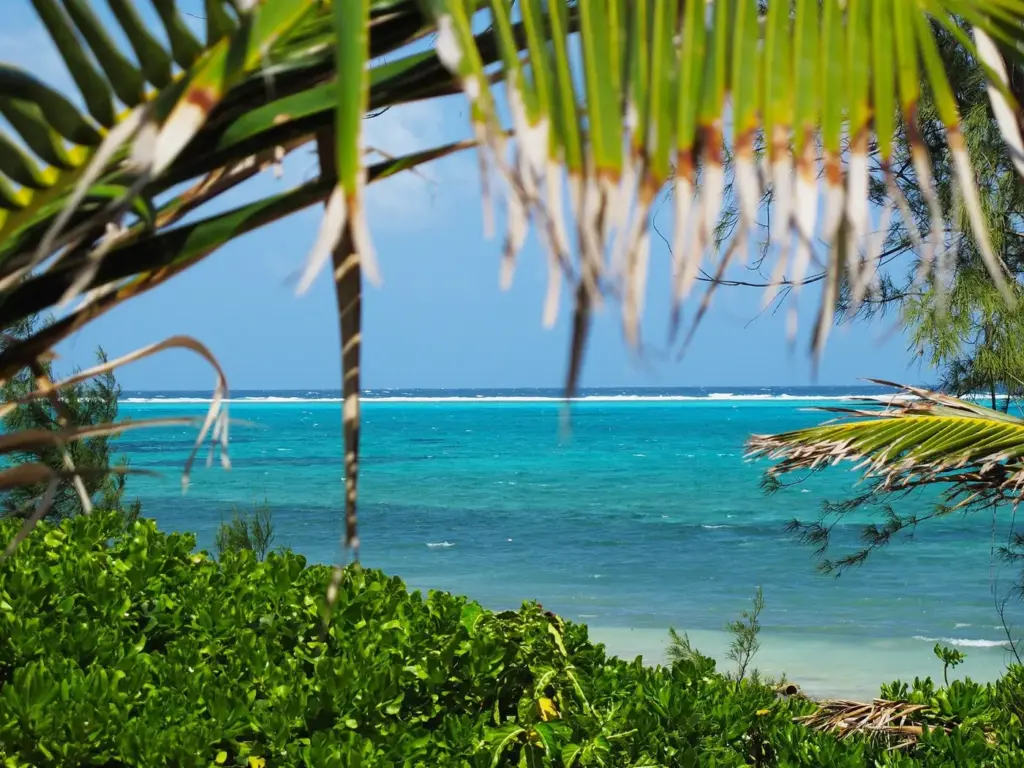
Grand Cayman is easy for mixed groups. Seven Mile Beach is the obvious draw, and the Stingray City sandbar, in about 3 ft of water, is a highlight for non-divers and kids. Cayman’s turtle conservation park in West Bay raises more than 1,800 turtles a year and released about 30,600 into the wild between 1980 and 2006. On Little Cayman, birders head for the Booby Pond Nature Reserve, and on Cayman Brac, the trails along the top of The Bluff give big ocean views.
A sample 7-night Cayman dive trip
- Day 1: fly nonstop to Grand Cayman and check in on Seven Mile Beach or in George Town. Afternoon shore dive to check your weighting.
- Day 2: two-tank West Wall trip.
- Day 3: Kittiwake and reef trip; afternoon at Stingray City.
- Day 4: North Wall or East End two-tank trip.
- Day 5: Cayman Airways to Little Cayman; afternoon dive on Bloody Bay Wall.
- Day 6: two-tank morning on Bloody Bay Wall; the Booby Pond at sunset.
- Day 7: morning dives, then no more diving so you’re clear to fly.
- Day 8: fly back via Grand Cayman to the US.
For more of the region, from Bonaire’s shore diving to the Bahamas’ sharks, see our guide to the best scuba diving in the Caribbean.
Frequently asked questions
Can you shore dive in Grand Cayman?
Yes. The west side around George Town and West Bay has good shore entries, and shops such as Sunset House and Divetech support shore diving; Sunset House’s guided shore dive costs $75 with tank, weights and guide (checked September 2026). Cayman Brac adds 11 shore sites. Check conditions, fly a flag or stay close to shore, and dive with a buddy.
Where is the best scuba diving in Grand Cayman?
The West Wall off Seven Mile Beach for easy, close-in wall diving; the North Wall for drama; the East End for quiet; the USS Kittiwake wreck; and Stingray City’s 12-ft scuba sandbar. For the best diving in the Cayman Islands overall, add Little Cayman’s Bloody Bay Wall, which starts at just 18 ft.
How much does scuba diving cost in Grand Cayman?
Two-tank boat trips cost CI$120-CI$130 (about US$144-$156) at Red Sail, $150 at Sunset House and US$170 at Ocean Frontiers, whose price includes valet service (checked September 2026). Seven-night dive packages start around $2,036 per person at Sunset House, including five days of boat dives, unlimited shore diving and breakfast.
Is Little Cayman worth the extra flight?
For wall divers, yes. Bloody Bay Wall begins at 18 ft and drops vertically in places, so even newer divers can enjoy it, and the island has only about 161 residents. You reach it on Cayman Airways from Grand Cayman or Cayman Brac. Three nights is the sweet spot on a week-long trip.
Can you scuba dive at Stingray City?
Yes. Stingray City has a deeper sandbar at about 12 ft used for scuba, next to the 3-ft sandbar where snorkelers and waders stand. Both are Wildlife Interaction Zones, where you may interact with the rays only under the Department of Environment’s handling rules, and every tour operator needs an annual permit.
Do I need a passport for the Cayman Islands?
Yes. Visitors need a passport, or another valid document establishing identity and nationality, plus an onward or return ticket, and may be asked to show sufficient funds. The State Department rates the Cayman Islands Level 1, exercise normal precautions (checked September 2026).
Is Grand Cayman good for beginner divers?
Yes. The west side is usually calm, shallow reefs and shore entries make easy first dives, and instruction is excellent. Sunset House’s Open Water course costs $450 over two days, and its referral dives cost $400 if you’ve done the classroom and pool work at home (checked September 2026). Beginners should dive the walls with a guide and watch their depth.
Can you dive the Kittiwake without Advanced certification?
Yes. The Kittiwake originally sat in 15-64 ft of water, and since Tropical Storm Nate rolled it onto its side in 2017 its shallowest point is about 20 ft deeper, around 35 ft. Red Sail lists a maximum depth of 70 ft for the dive, so Open Water divers can enjoy the wreck by staying above their 60-ft training limit.
Sources and verification
Everything on this page was checked on September 23-24, 2026 against the organizations listed below. The page is compiled from their published information and doesn’t claim first-hand visits.
- Cayman Islands Department of Environment: marine parks and stingrays and Wildlife Interaction Zones
- Health Services Authority: diving and hyperbaric medicine
- Cayman Islands Department of Tourism: diving
- US Department of State: Cayman Islands travel advisory
- National Hurricane Center climatology
- Operators: Red Sail Sports, Sunset House, Ocean Frontiers and Divetech
Also checked: Wikipedia’s entries on the Cayman Islands, the USS Kittiwake, Stingray City, Little Cayman, Cayman Brac and the Captain Keith Tibbetts; the Central Caribbean Marine Institute; the West Bay turtle park; Carnival’s cruise blog; Royal Caribbean’s scuba program; the Caradonna Dive Adventures specials page; and Family Dive Adventures.
Scuba Tourism Guide is an independent publication. It is not affiliated with any agency, park or dive operator named here, and no one paid to be included.
Photo credits
- Southern stingray at Stingray City, Grand Cayman (featured image): photo by Jcparsaligan, Wikimedia Commons (CC BY-SA 3.0)
- Red-footed booby, Little Cayman (2007): photo by The Lilac Breasted Roller, Wikimedia Commons (CC BY 2.0)
- Little Cayman Brac from the Bluff, Cayman Brac (2026): photo by EvaZL, Wikimedia Commons (CC BY 4.0)
- Diadema antillarum urchins, Grand Cayman (2009): photo by James St. John, Wikimedia Commons (CC BY 2.0)
- Seven Mile Beach facing north, Grand Cayman (2026): photo by Coolcaesar, Wikimedia Commons (CC BY 4.0)
- Inside the reef, Grand Cayman (2009): photo by Ray Bodden from USA, Wikimedia Commons (CC BY 2.0)


